
نعمل الآن على ترجمة هذا المقال إلى العربية — ستظهر الترجمة هنا بعد لحظات. نعرض لك في الأثناء النص الأصلي باللغة الإنجليزية.
”We’re not going back to haircuts” — Ato Forson warns against reckless spending as Ghana eyes IMF exit
Finance Minister Dr. Cassiel Ato Forson has issued a blunt warning that the government will not sacrifice fiscal discipline for short-term political gain, declaring that Ghana cannot afford to return to the economic turmoil that necessitated a painful domestic debt restructuring. Speaking on Joy News’ PM Express on Thursday, shortly after presenting the 2026 Mid-Year…
بقلم Ralph Waldo Emerson
نُشر في مدة القراءة: 3 د
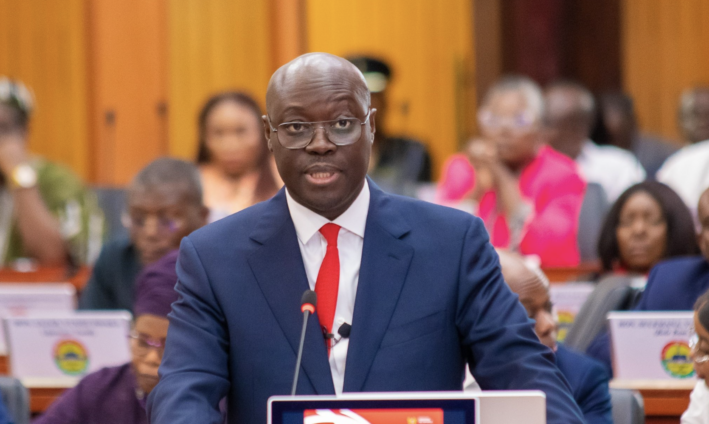
Finance Minister Dr. Cassiel Ato Forson has issued a blunt warning that the government will not sacrifice fiscal discipline for short-term political gain, declaring that Ghana cannot afford to return to the economic turmoil that necessitated a painful domestic debt restructuring.
Speaking on Joy News’ PM Express on Thursday, shortly after presenting the 2026 Mid-Year Budget Review to Parliament, Dr. Forson pushed back against suggestions that the government’s fiscal performance was merely the result of withholding expenditure. When host Evans Mensah observed that the gains were “all because you are not spending,” the Minister fired back: “Oh no, but do you want me to spend and derail the IMF program? Is that what they want me to do?”
Inherited Commitments, Not Self-Imposed Targets
Dr. Forson was emphatic that the stringent fiscal targets his administration is pursuing were not self-imposed but inherited from an agreement signed between the previous Akufo-Addo administration and the International Monetary Fund (IMF). He detailed that the previous government had committed Ghana to achieving a primary surplus of 1.5% of GDP under the $3 billion Extended Credit Facility (ECF) programme.
“The NPP committed Ghana into an IMF program, signed an agreement with the IMF and borrowed $3 billion from them, and committed us, this government, that we would do 1.5% of GDP,” he stated. “This was the commitment the NPP made to the IMF, and took the money, of which by the time they were leaving office, they had spent three-quarters of the $3 billion.”
IMF Deals with Governments, Not Parties
Stressing the binding nature of international obligations, Dr. Forson noted that governments may change, but sovereign commitments remain. “Now, I have come as Minister of Finance. IMF does not deal with political parties; they deal with government and countries. I have a responsibility to achieve 1.5% of GDP. Are you telling me that I should default on the promises that the Government of Ghana has taken a loan from the IMF? Certainly not,” he asserted.
On Course to Beat Targets
The Finance Minister revealed that the government has already achieved a primary surplus of 0.9% of GDP in the first half of the year. He projected that annualising this figure would yield 1.8% by year-end, exceeding the IMF-mandated 1.5% target and creating room for an additional 0.3% in discretionary spending.
“This is a commitment that the people of Ghana and the government of Ghana must fulfil, and I can tell you that I am on course to fulfil this,” he said, adding that meeting the conditions has restored investor confidence and paved the way for Ghana’s successful exit from the IMF programme.
A Stark Warning Against Backsliding
Dr. Forson cautioned that abandoning fiscal caution would erase the hard-won gains of the past two years and plunge the nation back into a cycle of economic distress. He directly challenged his critics, pointing to the political origins of the current conditions.
“It is President Akufo-Addo and his government that took Ghana to the IMF and agreed to this conditionality, unless they want me and President Mahama, because it’s President Mahama’s budget, to derail the IMF program, so that we spend as if there’s no tomorrow, crash the economy again, and go back to economic crisis with a haircut,” he warned.
The Minister’s comments underscore the administration’s determination to solidify Ghana’s economic recovery and avoid a repeat of the domestic debt exchange programme—widely referred to as a “haircut”—which caused significant losses for bondholders and triggered a prolonged period of economic instability.
شارك هذا الخبر
اشترك في النشرة الإخبارية لـ AfroAsia Media
أبرز أخبار اليوم من أفريقيا وآسيا، مباشرةً إلى بريدك الإلكتروني.




التعليقات
عدد التعليقات: 0
جارٍ التحميل…