
نعمل الآن على ترجمة هذا المقال إلى العربية — ستظهر الترجمة هنا بعد لحظات. نعرض لك في الأثناء النص الأصلي باللغة الإنجليزية.
Uncovering the roots: How highlife music got its name in 1925- Prof John Collins
Renowned ethnomusicologist Professor John Collins has provided a definitive timeline for the origins of Ghana’s beloved highlife music genre, pinpointing the exact moment the term first appeared in print. Speaking on Saturday as a panelist on Joy FM’s eighth edition of the Showbiz Roundtable, Professor Collins revealed that while the musical styles that would evolve…
بقلم Ralph Waldo Emerson
نُشر في مدة القراءة: 2 د
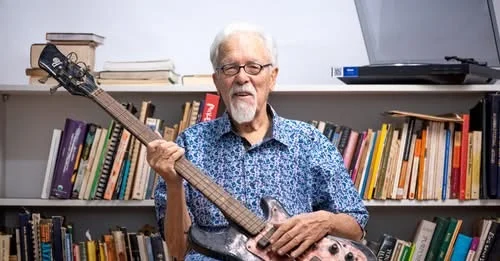
Renowned ethnomusicologist Professor John Collins has provided a definitive timeline for the origins of Ghana’s beloved highlife music genre, pinpointing the exact moment the term first appeared in print.
Speaking on Saturday as a panelist on Joy FM’s eighth edition of the Showbiz Roundtable, Professor Collins revealed that while the musical styles that would evolve into highlife existed earlier, the name itself was first documented in September 1925.
“The word ‘highlife’ was invented in September 1925. It was in a brochure by the Cape Coast Literary Association for a band in Ghana called the Ragged Jazz Band,” he stated.
Professor Collins further clarified the genre’s recording history, noting that the Kumasi Trio were the pioneers, making the first highlife recordings in June 1928. He explained that this historical evidence is crucial for settling debates and countering claims from other nations who have attempted to assert ownership over the genre’s origins.
The discussion was part of a rich panel that included veteran musician Amandzeba, audio engineer Kofi Boachie-Ansah (Beatmenace), musician Adina, and veteran music producer Jonas Bibi Hammond.
In her keynote address, the Chief Executive Officer of the Ghana Tourism Authority (GTA), Maame Efua Houadjeto, underscored the cultural and economic importance of the genre. She urged stakeholders to leverage highlife for national gains while ensuring its preservation for generations to come.
Adding an international perspective, UNESCO’s National Professional Officer for Culture, Carl Ampah, attended as a special guest. He provided insights into the process and significance of having highlife formally inscribed by UNESCO as part of Ghana’s intangible cultural heritage.
The event, held before a live studio audience of musicians, journalists, and industry executives, was moderated by arts and culture journalist Kwame Dadzie. The production team included Philip Nai, Anita Teye, Martin Kwasi Asare, and DJ Wobeti.
شارك هذا الخبر
اشترك في النشرة الإخبارية لـ AfroAsia Media
أبرز أخبار اليوم من أفريقيا وآسيا، مباشرةً إلى بريدك الإلكتروني.




التعليقات
عدد التعليقات: 0
جارٍ التحميل…