
هذا المقال غير متوفر باللغة العربية بعد — نعرض لك النص الأصلي باللغة الإنجليزية.
Mid-Year budget review reveals 40% capital expenditure underspend, raising fresh doubts over infrastructure delivery—Deloitte Partner
Ghana’s ambitious capital expenditure programme is facing a serious implementation shortfall, with the government recording an underspend of more than 40% on its development budget for the first half of 2026, according to Yaw Appiah Lartey, a Partner at Deloitte Ghana. Speaking on JoyNews’ Newsfile programme on Saturday, July 25, Lartey warned that the persistent…
بقلم Ralph Waldo Emerson
نُشر في مدة القراءة: 6 د
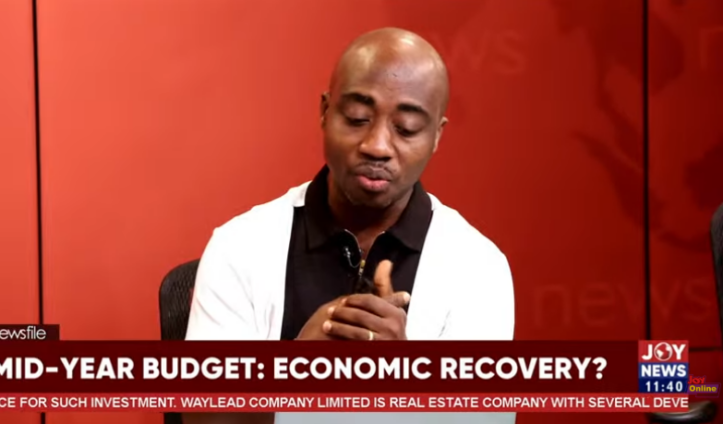
Ghana’s ambitious capital expenditure programme is facing a serious implementation shortfall, with the government recording an underspend of more than 40% on its development budget for the first half of 2026, according to Yaw Appiah Lartey, a Partner at Deloitte Ghana. Speaking on JoyNews’ Newsfile programme on Saturday, July 25, Lartey warned that the persistent gap between budgeted allocations and actual disbursements could undermine the delivery of critical infrastructure—including roads, hospitals, schools, and energy projects—that are central to the government’s development agenda.
While the Mid-Year Budget Review, presented by Finance Minister Dr. Cassiel Ato Forson on July 23, highlighted some fiscal wins—notably in compensation savings and reduced interest payments—Lartey stressed that the capital expenditure shortfall is a “major red flag” that demands urgent attention.
The Numbers Behind the Underspend
According to Lartey, the government had programmed total expenditure of approximately GH¢158 billion for the first quarter of 2026. However, actual spending came in about 20% below target across the board, with the capital component suffering the most severe deviation. “On capital expenditure, we have an underspend of about 40%. The question is how far we have progressed with the ambitious capital programme announced last year,” he said.
The underspend is particularly concerning because the government had billed 2026 as a year of accelerated infrastructure investment, following the successful completion of its IMF-backed post-pandemic recovery programme. Key projects—including the Eastern Corridor Road rehabilitation, the construction of 10 new district hospitals, and the expansion of the Tema Port’s container terminal—were all expected to see significant progress this year. Yet, the spending data suggests that many of these projects have either not commenced or are moving at a glacial pace.
Savings on Compensation and Interest Provide Some Relief
Lartey acknowledged the positive developments on the expenditure side that helped offset the capital shortfall. The government recorded a reduction in compensation expenditure—which covers public sector wages and salaries—attributed largely to improvements in payroll management and the ongoing clean-up of the public sector payroll. This exercise, which targeted “ghost names” and duplicate entries, saved the state approximately GH¢3.4 billion.
Additionally, interest payments on the domestic debt fell by about GH¢6.9 billion, thanks to a sustained decline in policy rates and cheaper borrowing conditions. “Government is borrowing at a much cheaper rate than it used to in the past, and that presents a positive development,” Lartey noted. The yield on the 91-day T-bill, for instance, has dropped to 5.76%—a level not seen in nearly two years—and the 364-day bill now stands at 12.96%, well below the double-digit peaks of 2023-2024.
Why Capital Spending Is Lagging
While the savings on compensation and interest are welcome, the 40% capital underspend raises deeper questions about execution capacity, procurement bottlenecks, and fiscal discipline. Several factors may be at play:
· Procurement delays: Tender processes for large-scale contracts often drag on for months, with bid evaluations and legal challenges slowing down project starts.
· Funding contingencies: Although the government claims it is now securing financing before commencing projects, Lartey noted that this approach—while prudent—can also delay actual spending if financing agreements take longer than expected to finalise.
· Contractor capacity: Some local construction firms may lack the equipment and skilled labour to undertake multiple projects simultaneously, leading to staggered progress.
· Election-year caution: With general elections scheduled for December 2026, some ministries may be hesitant to award new contracts or accelerate spending, fearing political scrutiny or post-election administrative changes.
Lartey, however, praised the government’s new policy of starting projects only after funding is secured. “Starting projects with funding secured means we do not have situations where projects begin and later get stuck because there is no money to continue,” he said. This shift, he argued, could prevent the kind of abandoned “white elephant” projects that have marred previous administrations.
Revenue Performance Remains a Weak Spot
Beyond the expenditure side, Lartey also flagged concerns over revenue mobilisation. While the government has made strides in controlling some spending areas, tax collection—particularly from the informal sector—has not met targets. The Ghana Revenue Authority (GRA) has struggled to expand its tax base, with many small- and medium-sized enterprises remaining outside the formal tax net. This revenue shortfall, combined with the capital underspend, suggests that the government’s fiscal position may be more fragile than the headline savings figures imply.
Implications for Infrastructure Delivery and Economic Growth
The 40% underspend on capital expenditure has direct consequences for Ghana’s long-term growth prospects. Infrastructure is a key enabler of economic activity—reducing transport costs, improving access to markets, and attracting private investment. When projects are delayed, the multiplier effect on jobs and local businesses is also delayed. For a country that needs to create at least 300,000 new jobs annually for its youth, the sluggish pace of capital spending is a lost opportunity.
Moreover, the underspend raises questions about the credibility of the government’s stated development priorities. If the administration cannot execute its own capital budget, it risks eroding public trust and investor confidence—both of which are essential for sustaining the recent positive trends in T-bill yields and currency stability.
Economic Analysts Weigh In
Dr. Priscilla Asante, an economist at the University of Ghana, commented that the government should conduct a forensic review of its capital budgeting process. “We need to understand whether the underspend is due to lack of funds, poor planning, or administrative inefficiency. Without that diagnosis, we will keep seeing the same pattern year after year,” she said.
Similarly, the Association of Building and Civil Engineering Contractors of Ghana (ABCECG) has called for the establishment of a Project Delivery Unit within the Ministry of Finance to monitor and expedite capital projects. “The 40% figure is alarming. We urge the government to engage contractors early, streamline procurement, and ensure that funds are released in a timely manner,” said ABCECG Secretary Kwame Asante.
Government’s Response and Next Steps
In his Mid-Year Budget Review address, Finance Minister Dr. Forson acknowledged the capital expenditure challenges but attributed them to the new “funding-first” policy, arguing that it would yield better value for money in the long run. He also noted that some projects were still in the pre-contract phase and would accelerate in the second half of the year.
However, critics argue that the government cannot afford to wait. With the election cycle looming and public expectations high, the pressure to deliver visible infrastructure is mounting. The 2026 budget allocated nearly GH¢30 billion to capital projects, yet less than GH¢18 billion has been spent to date—a gap of more than GH¢12 billion that must be closed in the remaining six months to meet the annual target.
Looking Ahead
As Ghana navigates the remainder of 2026, the capital expenditure underspend will likely become a central issue in political and economic discourse. The government will need to demonstrate not just that it can secure financing, but that it can translate those commitments into shovels in the ground. For now, the 40% shortfall stands as a cautionary tale: fiscal discipline on compensation and interest is necessary, but it is not sufficient. Without robust capital execution, the promise of transformation through infrastructure will remain just that—a promise.
شارك هذا الخبر
اشترك في النشرة الإخبارية لـ AfroAsia Media
أبرز أخبار اليوم من أفريقيا وآسيا، مباشرةً إلى بريدك الإلكتروني.




التعليقات
عدد التعليقات: 0
جارٍ التحميل…