
نعمل الآن على ترجمة هذا المقال إلى العربية — ستظهر الترجمة هنا بعد لحظات. نعرض لك في الأثناء النص الأصلي باللغة الإنجليزية.
Manasseh Azure Awuni questions Mahama’s reparations push: “Who sold the slaves?”
Investigative journalist Manasseh Azure Awuni has publicly challenged President John Dramani Mahama’s call for reparations to Africa for the historical injustices of the transatlantic slave trade, arguing that the conversation must first confront the role of African collaborators. President Mahama, who has been a vocal advocate for reparatory justice on the international stage, recently reiterated…
بقلم Ralph Waldo Emerson
نُشر في مدة القراءة: 2 د
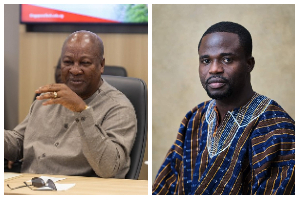
Investigative journalist Manasseh Azure Awuni has publicly challenged President John Dramani Mahama’s call for reparations to Africa for the historical injustices of the transatlantic slave trade, arguing that the conversation must first confront the role of African collaborators.
President Mahama, who has been a vocal advocate for reparatory justice on the international stage, recently reiterated the need for Africa to receive compensation from Western nations that profited from the slave trade. However, Mr. Awuni has injected a complex local perspective into the debate, questioning whether African leaders are willing to address the continent’s internal history of complicity.
In his critique, the journalist posed a pointed question: “Who sold the slaves?” He argues that any meaningful discussion on reparations must account for the African chiefs and merchants who participated in the capture and sale of fellow Africans to European traders.
Mr. Awuni’s remarks add a nuanced layer to the ongoing continental discourse on reparations. While many African leaders, including President Mahama, have focused on demanding accountability from former colonial powers, Awuni’s intervention highlights the sensitive internal historical dynamics that complicate the demand for justice.
The debate comes as the conversation around reparations gains momentum across the globe, with the African Union and the Caribbean Community (CARICOM) pushing for formal apologies and financial restitution. President Mahama has previously described the reparations movement as a crucial step toward correcting historical wrongs and fostering economic development.
Awuni’s comments have sparked a fresh wave of debate among Ghanaians, with some agreeing that introspection is necessary before making external demands, while others argue that focusing on internal divisions distracts from the primary goal of holding Western nations accountable for centuries of exploitation.
As of press time, the Presidency had not issued an official response to the journalist’s remarks.
شارك هذا الخبر
اشترك في النشرة الإخبارية لـ AfroAsia Media
أبرز أخبار اليوم من أفريقيا وآسيا، مباشرةً إلى بريدك الإلكتروني.




التعليقات
عدد التعليقات: 0
جارٍ التحميل…