
نعمل الآن على ترجمة هذا المقال إلى العربية — ستظهر الترجمة هنا بعد لحظات. نعرض لك في الأثناء النص الأصلي باللغة الإنجليزية.
GPHA rolls out emergency measures to tackle growing cargo gridlock at Tema Port
The Ghana Ports and Harbours Authority (GPHA) has activated a suite of urgent operational interventions to combat severe landside congestion at the Port of Tema, Ghana’s largest and busiest maritime gateway, as the facility struggles under the weight of a sustained import boom and a logistical backlog of empty containers. In an official statement issued…
بقلم Ralph Waldo Emerson
نُشر في مدة القراءة: 5 د
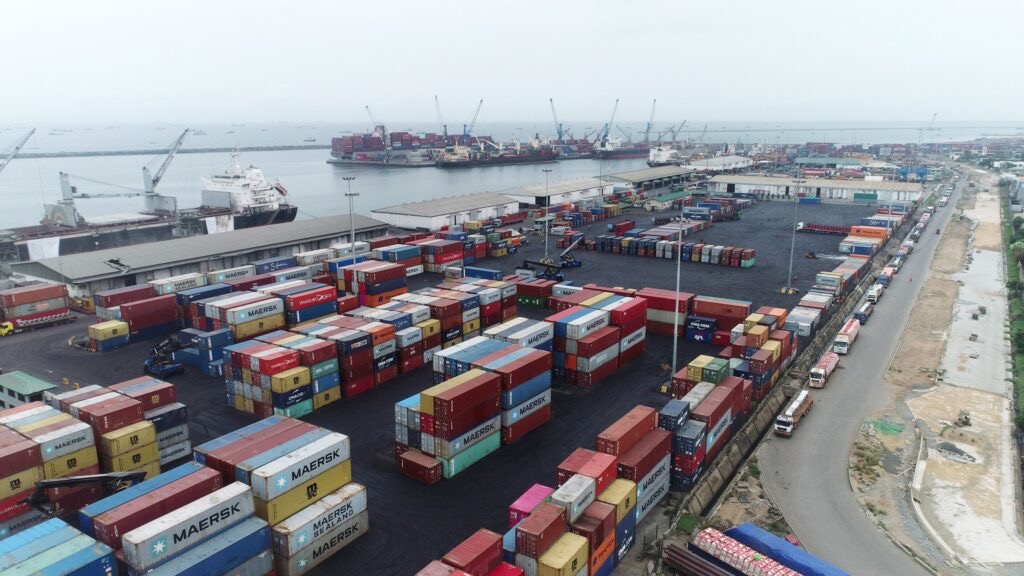
The Ghana Ports and Harbours Authority (GPHA) has activated a suite of urgent operational interventions to combat severe landside congestion at the Port of Tema, Ghana’s largest and busiest maritime gateway, as the facility struggles under the weight of a sustained import boom and a logistical backlog of empty containers.
In an official statement issued on Thursday, GPHA attributed the mounting gridlock to a confluence of factors: a sharp increase in import volumes, a corresponding surge in the export of empty containers, and growing road traffic bottlenecks that have slowed the movement of cargo in and out of the port enclave. The Authority warned that the situation, if left unchecked, could disrupt supply chains and inflate the cost of goods across the country.
Tema Port: Ghana’s Economic Lifeline Under Strain
Tema Port handles approximately 90% of Ghana’s seaborne trade and serves as a crucial transit hub for landlocked West African nations, including Burkina Faso, Mali, and Niger. The recent congestion threatens not only Ghana’s domestic supply chain but also the regional flow of essential commodities, food items, and industrial raw materials.
Despite the completion of the modern Terminal 3 project by Meridian Port Services (MPS) in 2020—which increased the port’s container handling capacity to 3.5 million TEUs (twenty-foot equivalent units) annually—the facility has been repeatedly stretched by post-pandemic demand surges and structural imbalances in global shipping. The current crisis highlights that physical capacity alone cannot resolve logistics bottlenecks; efficient hinterland connectivity and vessel scheduling are equally critical.
Root Causes: Import Boom Meets Empty Container Exodus
GPHA’s analysis points to a perfect storm of operational pressures:
· Soaring Import Volumes: Ghana’s ongoing economic recovery has driven a resurgence in the importation of consumer goods, construction materials, and machinery, overwhelming terminal yards.
· Empty Container Build-Up: A chronic global trade imbalance—where Ghana imports far more than it exports manufactured goods—has led to a massive accumulation of empty containers at the port. Shipping lines are desperately repatriating these empty boxes to Asia to meet factory demand, but the process has been slow, clogging terminal space.
· Hinterland Bottlenecks: The road network around Tema, particularly the main access corridors to the port, has struggled to cope with the sheer volume of trucks, leading to long queues and delayed evacuations.
The Authority noted that these challenges are not unique to Ghana. “Similar congestion-related challenges are being experienced at several ports across the West African sub-region, resulting in delays in container evacuations and the movement of both laden and empty containers,” GPHA stated.
Multifaceted Response: Clearing the Backlog
In response to the crisis, GPHA has placed all relevant stakeholders on heightened operational alert and is working in close collaboration with shipping lines (including major carriers like Maersk and MSC) and terminal operators to implement a sweeping action plan.
The key measures include:
- Accelerated Empty Container Evacuation: GPHA has coordinated with shipping lines to increase vessel calls specifically dedicated to repatriating empty containers, freeing up critical yard space.
- Strengthened Transfer Operations: Container transfer operations between the quay and inland depots have been streamlined to speed up the movement of cargo.
- Deployment of Additional Trucks: The Authority has mobilized extra trucks to augment the existing haulage fleet, aiming to clear backlogs at the port gates.
- Optimized Yard and Traffic Management: The port’s traffic flow systems and yard stacking configurations are being actively recalibrated to maximize storage density and reduce dwell times for both laden and empty boxes.
Appeal to Importers: Clear Your Cargo Immediately
GPHA has issued a stark appeal to importers, clearing agents, and cargo owners to expedite the clearance and evacuation of their consignments. The Authority emphasized that prompt cargo removal is the single most critical factor in relieving terminal congestion.
“Prompt cargo evacuation remains essential to easing pressure on terminal space and supporting the continuous flow of trade through the port,” GPHA stressed, warning that prolonged delays could lead to demurrage charges and further supply chain disruptions.
The Authority has assured stakeholders that it is closely monitoring the situation and will deploy further interventions as necessary. It expressed appreciation to the trading community and the general public for their patience and cooperation during this challenging period.
Economic Implications and Regional Ripple Effects
The congestion at Tema Port carries significant economic consequences. For importers, extended dwell times translate into higher storage fees and demurrage costs, which are typically passed on to consumers in the form of elevated prices for imported goods—a worrying development given Ghana’s already elevated inflation environment.
For landlocked neighbours like Burkina Faso and Mali, the delays threaten to disrupt vital supply lines for fuel, food, and machinery, potentially exacerbating food insecurity and straining already fragile economies in the Sahel region.
Moreover, the backlog may discourage some shipping lines from calling at Tema, potentially diverting regional transshipment traffic to rival ports such as Lomé in Togo or Abidjan in Côte d’Ivoire, which would have long-term implications for Ghana’s ambition to establish itself as a premier maritime hub in West Africa.
A Commitment to Long-Term Resilience
While these immediate measures are designed to restore normalcy in the coming weeks, GPHA has reaffirmed its commitment to building a more resilient port ecosystem. The Authority reiterated its dedication to maintaining a “safe, efficient, and competitive port system capable of supporting Ghana’s international trade ambitions and broader economic growth objectives.”
Industry observers note that, beyond short-term fixes, Ghana must invest in improving rail connectivity between the port and the hinterland, expanding inland container depots (ICDs), and enhancing digital clearance systems to reduce the dwell time of cargo and prevent future congestion crises.
Conclusion
As the Port of Tema works through its worst congestion episode in recent memory, the success of GPHA’s emergency measures will hinge largely on the cooperation of the trading community. With import volumes expected to remain robust through the final quarter of 2026, the Authority’s ability to sustain these operational improvements will be crucial in safeguarding Ghana’s vital trade corridors and ensuring that the nation’s economic engine does not stall at the dock.
GPHA has assured the public that regular updates will be provided as the situation evolves.
شارك هذا الخبر
اشترك في النشرة الإخبارية لـ AfroAsia Media
أبرز أخبار اليوم من أفريقيا وآسيا، مباشرةً إلى بريدك الإلكتروني.




التعليقات
عدد التعليقات: 0
جارٍ التحميل…