
نعمل الآن على ترجمة هذا المقال إلى العربية — ستظهر الترجمة هنا بعد لحظات. نعرض لك في الأثناء النص الأصلي باللغة الإنجليزية.
Government launches GHC350m post-flood recovery drive, military to lead nationwide cleanup
The Government has announced a coordinated national post-flood recovery and mitigation exercise following the devastating floods of June 28 and 29, 2026, which submerged communities across Greater Accra and other regions. President John Dramani Mahama has appointed Brigadier General Forster Okae-Yeboah, Director General of Joint Operations of the Ghana Armed Forces (GAF), to spearhead what…
بقلم Ralph Waldo Emerson
نُشر في مدة القراءة: 4 د
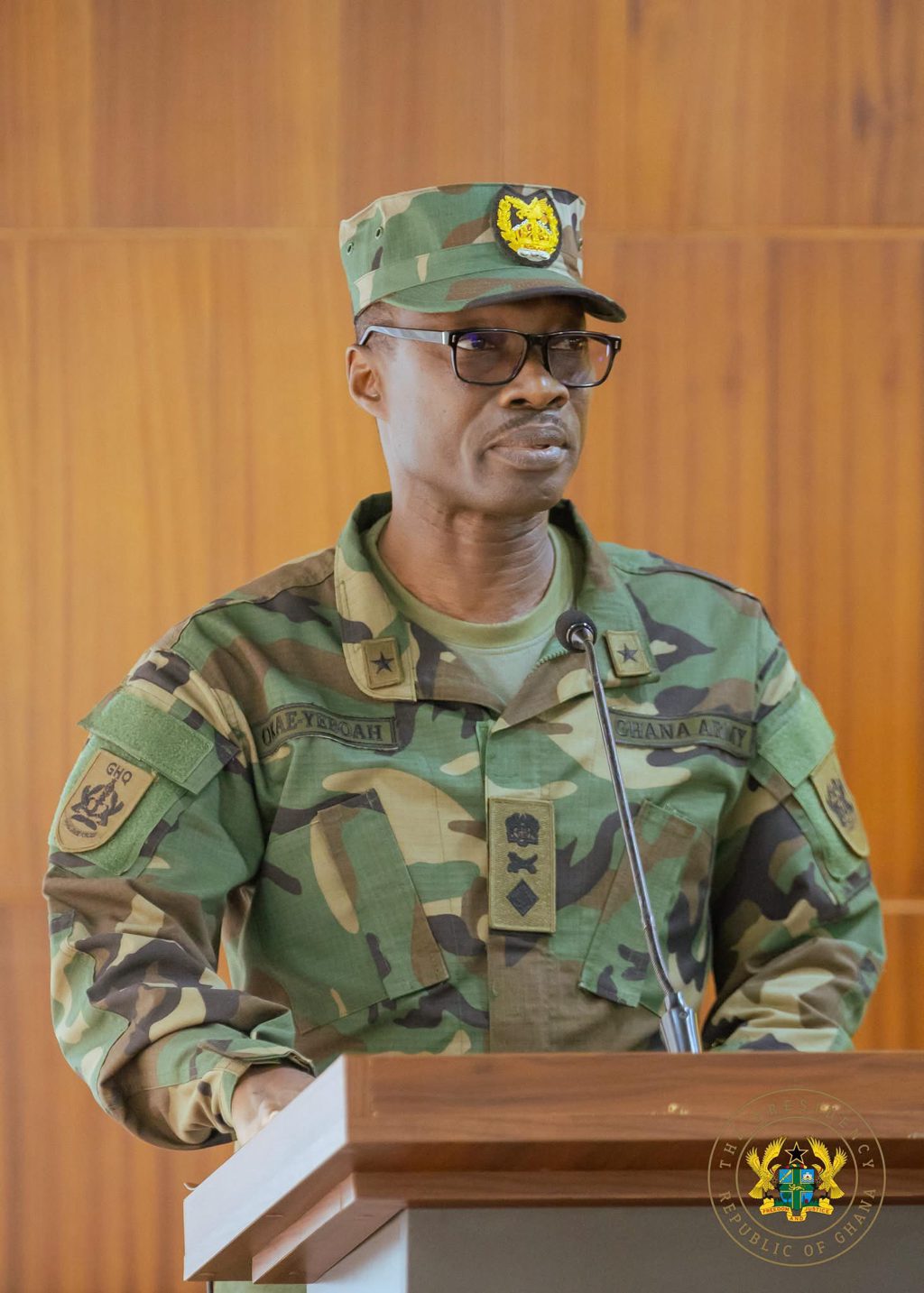
The Government has announced a coordinated national post-flood recovery and mitigation exercise following the devastating floods of June 28 and 29, 2026, which submerged communities across Greater Accra and other regions.
President John Dramani Mahama has appointed Brigadier General Forster Okae-Yeboah, Director General of Joint Operations of the Ghana Armed Forces (GAF), to spearhead what officials have described as an “uncompromising, robust, and all-action” nationwide flood mitigation exercise. Addressing journalists in Accra on Friday, July 3, Brig. Gen. Okae-Yeboah said the military has been tasked with the operational coordination of the recovery exercise under a broader government mitigation programme.
Military-led operation
The exercise will involve the deployment of military personnel, engineers and heavy equipment to clear drains, rivers, streams and other waterways obstructed by debris, silt, fallen trees, abandoned vehicles and collapsed structures. Particular attention will be given to restoring access to roads and critical infrastructure damaged by the floods, while supporting sanitation and public health interventions aimed at preventing secondary outbreaks of diseases such as cholera and typhoid.
The Armed Forces will undertake the exercise in collaboration with the Ghana Police Service, the Ghana National Fire Service, the Ghana Health Service, the Environmental Protection Agency, the National Disaster Management Organisation (NADMO), as well as metropolitan, municipal and district assemblies (MMDAs). The Interior Ministry has additionally deployed the GAF’s 48 Engineers Regiment to undertake emergency drainage clearance, with officials noting the move would “help us respond quickly and avoid delays associated with procurement processes”.
Phased approach and committee structure
Brig. Gen. Okae-Yeboah cautioned that the recovery effort would not be resolved overnight. “This is not an event. It’s a process. It’s going to take some time,” he said. “Detailed planning is going on.” The exercise is being structured in phases to ensure drainage systems, waterways and affected communities are properly restored over time.
To coordinate the national response, the Government has established five specialised sub-committees: the Post-Flood Mitigation Committee (formerly the Anti-Flood Task Force), the Early Warning Committee, the Sanitation and Health Committee, the Relief and Donations Committee, and the Emergency Communications Committee. The Chief of Staff is overseeing the overall recovery programme on behalf of the President. “We shall not leave any stone unturned,” Brig. Gen. Okae-Yeboah assured.
Enforcement and demolition of illegal structures
As part of the intervention, authorities have indicated that structures illegally erected within waterways and drainage corridors that pose a threat to flood management efforts may be demolished in line with applicable laws. “We are supposed to clear debris, clear waterways,” Brig. Gen. Okae-Yeboah said. “So if we have to pull down structures that are obstructing our waterways, we’ll do so.” The demolition will proceed “without let or hindrance” where necessary.
Residents in affected areas have been urged to cooperate with security personnel and comply with traffic management and safety instructions, as parts of major routes are expected to experience temporary diversions during the exercise. MMDA’s have also been directed to organise localised cleanup exercises to complement the national operation.
Private sector support
Brig. Gen. Okae-Yeboah commended private sector organisations for providing heavy equipment, logistics and technical expertise to support the national effort, and encouraged more institutions to contribute. “The government commends this demonstration of patriotism and corporate social responsibility,” he said.
GH¢350 million allocation
The recovery programme is backed by a GH¢350 million allocation from the Contingency Fund, following parliamentary approval in accordance with Article 177 of the 1992 Constitution. Of the total amount, GH¢200 million will finance urgent relief efforts for flood victims and affected communities, while GH¢150 million will be used to undertake flood mitigation measures aimed at reducing the frequency and impact of flooding.
The Controller and Accountant-General has opened a dedicated National Disaster Management Committee account at the Bank of Ghana and transferred the full amount into it.
Government assures support for displaced persons
Spokesperson to the President, Felix Kwakye Ofosu, reaffirmed the Government’s commitment to the recovery programme and assured that all displaced persons will be supported as affected communities are restored. He announced that the Government will begin distributing relief items to flood-affected communities across the country from Saturday, July 4.
Scale of the disaster
At least 12 individuals died, with 38,802 individuals in 7,761 households displaced by the downpour, according to Interior Minister Muntaka Mohammed-Mubarak. Seven more persons were reported missing, with the flood impacting lives, property and economic activities in 18 metropolitan, municipal and district assemblies in Accra. The Ghana Meteorological Agency has warned of more rains to come this month. Monday’s rainfall of 169 millimetres in a day has been described as the fourth highest on record since 1995, while the total rainfall for June – 593.2 millimetres – is the highest ever recorded in the country in a single month.
The Government says the nationwide cleanup forms part of a broader flood resilience strategy aimed at improving drainage infrastructure, strengthening early warning systems, and enforcing environmental and planning regulations to reduce the impact of future flooding. Officials have assured that the operation will be carried out professionally, humanely, and in accordance with Ghana’s laws.
شارك هذا الخبر
اشترك في النشرة الإخبارية لـ AfroAsia Media
أبرز أخبار اليوم من أفريقيا وآسيا، مباشرةً إلى بريدك الإلكتروني.




التعليقات
عدد التعليقات: 0
جارٍ التحميل…