
نعمل الآن على ترجمة هذا المقال إلى العربية — ستظهر الترجمة هنا بعد لحظات. نعرض لك في الأثناء النص الأصلي باللغة الإنجليزية.
Ghana’s borrowing costs plunge as World Bank reports sharp decline in lending rate
Average bank lending rates in Ghana have fallen dramatically from approximately 27.0 per cent in June 2025 to 15.6 per cent in June 2026, marking a significant milestone in the country’s economic recovery, according to the World Bank’s latest 10th Ghana Economic Update . The substantial 11.4-percentage-point decline signals that improving macroeconomic conditions and a…
بقلم Ralph Waldo Emerson
نُشر في مدة القراءة: 3 د
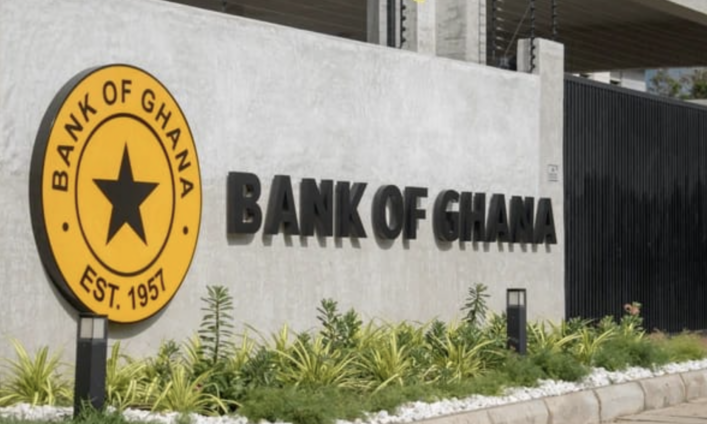
Average bank lending rates in Ghana have fallen dramatically from approximately 27.0 per cent in June 2025 to 15.6 per cent in June 2026, marking a significant milestone in the country’s economic recovery, according to the World Bank’s latest 10th Ghana Economic Update .
The substantial 11.4-percentage-point decline signals that improving macroeconomic conditions and a sustained monetary policy easing cycle are increasingly reaching businesses and households through the financial system. The World Bank noted that “monetary easing is increasingly transmitted to the real economy” as cheaper credit becomes available to borrowers .
A Decisive Policy Shift
This development follows a period of aggressive monetary tightening and subsequent easing spearheaded by the Bank of Ghana under Governor Dr Johnson Pandit Asiama. After the sharp decline in inflation created space for the central bank to pivot, the Monetary Policy Rate was reduced from 28 per cent in April 2025 to 14 per cent by March 2026—a cumulative reduction of 1,400 basis points .
The Bank subsequently maintained the rate at 14 per cent to consolidate price stability. This decision came after headline inflation plummeted to a three-decade low of 3.2 per cent in March 2026, down from 5.4 per cent in December 2025, largely driven by tighter monetary policy, a stronger cedi, and lower food prices . The central bank has described this period as a “sustained monetary easing cycle” that aims to consolidate gains while allowing previous cuts to work through the economy .
Key Indicators
The easing cycle has positively impacted several key economic indicators. The Ghana Reference Rate, a benchmark for pricing loans, also experienced a sharp decline, falling from approximately 23.8 per cent to around 10.0 per cent over the same period .
The World Bank report indicates real private-sector credit grew by 34.1 per cent in June 2026, a stark contrast to a 4.5 per cent decline a year earlier, suggesting that the cheaper borrowing costs are beginning to stimulate lending . Governor Dr Johnson Pandit Asiama welcomed the report, stating it confirms the progress made in key areas of the economy, while urging banks to intensify support for the productive sectors .
Broader Economic Context
The fall in lending rates occurs against a backdrop of broader economic stabilisation. Ghana’s economy grew by 6.4 per cent in the first quarter of 2026, following a 6 per cent expansion in 2025, while public debt declined from 70.3 per cent of GDP in 2024 to 49 per cent at the end of 2025 .
However, the World Bank has cautioned that Ghana’s recovery remains “structurally incomplete,” noting that progress has not sufficiently translated into quality employment and poverty reduction . The report highlights persistent challenges, including poor road infrastructure, which is increasing transport costs and threatening Ghana’s competitiveness, particularly for transit trade .
The banking sector has also shown increased resilience, with all 23 banks now fully capitalised, the Capital Adequacy Ratio improving to 22.3 per cent, and the Non-Performing Loan ratio declining from 23.6 per cent to 18 per cent .
شارك هذا الخبر
اشترك في النشرة الإخبارية لـ AfroAsia Media
أبرز أخبار اليوم من أفريقيا وآسيا، مباشرةً إلى بريدك الإلكتروني.




التعليقات
عدد التعليقات: 0
جارٍ التحميل…