
نعمل الآن على ترجمة هذا المقال إلى العربية — ستظهر الترجمة هنا بعد لحظات. نعرض لك في الأثناء النص الأصلي باللغة الإنجليزية.
Ghana on track to meet 2034 debt anchor even with looser fiscal target —IMF
Ghana can still achieve its legislative debt anchor of 45% of Gross Domestic Product (GDP) by 2034, even if the primary surplus target is relaxed from 1.5% to 0.5% of GDP starting in 2027, the International Monetary Fund (IMF) has concluded in its latest country report. The Fund’s assessment provides a measure of flexibility for…
بقلم Ralph Waldo Emerson
نُشر في مدة القراءة: 4 د
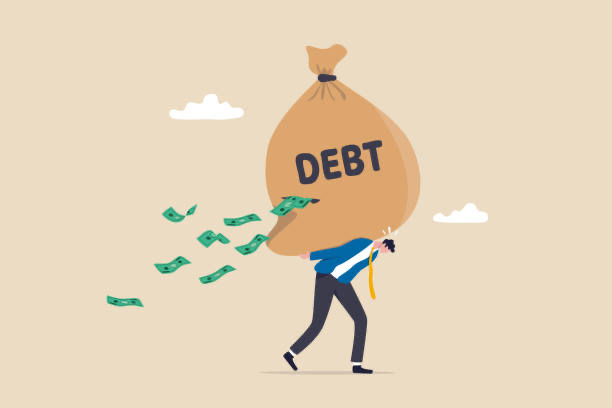
Ghana can still achieve its legislative debt anchor of 45% of Gross Domestic Product (GDP) by 2034, even if the primary surplus target is relaxed from 1.5% to 0.5% of GDP starting in 2027, the International Monetary Fund (IMF) has concluded in its latest country report.
The Fund’s assessment provides a measure of flexibility for policymakers, suggesting that the country’s fiscal consolidation path has sufficient buffers to accommodate a less aggressive surplus target without jeopardising long-term debt sustainability—provided that credible structural reforms remain in place.
Built-in Safeguards Offer Room for Maneuver
According to the IMF, the relaxation is supported by substantial in-built safeguards within its fiscal space framework. These include a prudently calibrated debt anchor set below the respective Debt Sustainability Analysis (DSA) thresholds, ensuring a high probability that debt remains within safe bounds based on Ghana‑specific debt dynamics. The framework also accounts for volatility in interest-growth differentials, primary balances, and sizeable stock-flow adjustments, giving the authorities room to navigate economic shocks.
The Fund noted that Ghana’s large development needs and the considerable debt sustainability gains achieved in recent years warrant a reassessment of the appropriate medium-term fiscal stance. Striking the right balance between debt reduction and growth-enhancing expenditure, it said, is now a key policy question.
The 2025 PFM Act Amendments
In 2025, Parliament passed significant amendments to the Public Financial Management (PFM) Act, establishing a legally binding debt anchor of 45% of GDP to be achieved by 2034. The amendments also set an operational target of a 1.5% of GDP primary surplus on a commitment basis—a target that has been described by some economists as overly tight given Ghana’s pressing infrastructure and social spending needs.
“Recent debt reduction gains and large development needs have raised concerns about the excessively tight medium-term fiscal stance under the current operational target,” the IMF acknowledged, validating concerns that have been raised by civil society and some government officials.
Reforms to Support the Relaxed Target
The IMF stressed that the lowering of the primary surplus target must be accompanied by an ambitious package of fiscal structural reforms to contain quasi‑fiscal pressures and safeguard debt sustainability. Specifically, the Fund outlined two critical areas:
· Revenue side: Closing revenue administration gaps and improving tax compliance will help strengthen domestic revenue mobilisation, ensuring that the government does not rely solely on expenditure cuts to meet fiscal targets.
· Expenditure side: Strong PFM measures—including stricter budget execution, better procurement oversight, and reduced wasteful spending—will help contain stock-flow adjustments, which have historically undermined Ghana’s fiscal consolidation efforts.
Additionally, the Fund called for enhancing oversight of State-Owned Enterprises (SOEs) and advancing sectoral structural reforms to limit contingent liability risks, particularly in the cocoa and energy sectors, both of which have historically been sources of fiscal pressure.
Cocoa and Energy Sector Risks
The IMF singled out the cocoa and energy sectors as areas requiring urgent reform. In the cocoa sector, irregular payments and inefficiencies at the Cocoa Board have often created contingent liabilities for the state. In the energy sector, legacy debts, power purchase agreements, and subsidies continue to strain the public purse. Addressing these structural vulnerabilities, the Fund argued, is essential to maintaining the credibility of any relaxed fiscal target.
Debt Dynamics and Outlook
Ghana’s debt-to-GDP ratio has declined from its peak of over 90% during the 2022–2023 crisis, following successful debt restructuring under the ECF programme. However, the country still faces significant repayment obligations and a high interest burden. The IMF’s analysis suggests that the 45% anchor is achievable by 2034 under both the 1.5% and 0.5% primary surplus scenarios, provided that growth remains stable and reforms are implemented.
The Fund’s endorsement of a more flexible fiscal stance is likely to be welcomed by the government, which has faced pressure to increase spending on health, education, and infrastructure while maintaining fiscal discipline. However, the IMF’s caveat—that reforms must be credible and sustained—serves as a reminder that looser targets do not mean looser oversight.
Next Steps for Government
The government is expected to incorporate the IMF’s findings into its 2027 budget preparations, with the Ministry of Finance likely to propose adjustments to the primary surplus target in line with the Fund’s recommendations. The outcome will be closely watched by investors, development partners, and credit rating agencies as a signal of Ghana’s commitment to both fiscal responsibility and development priorities.
شارك هذا الخبر
اشترك في النشرة الإخبارية لـ AfroAsia Media
أبرز أخبار اليوم من أفريقيا وآسيا، مباشرةً إلى بريدك الإلكتروني.




التعليقات
عدد التعليقات: 0
جارٍ التحميل…