
نعمل الآن على ترجمة هذا المقال إلى العربية — ستظهر الترجمة هنا بعد لحظات. نعرض لك في الأثناء النص الأصلي باللغة الإنجليزية.
Ghana moves to overhaul upstream oil regime as legacy issues drove away major international players
The Ghanaian government has officially acknowledged that unresolved legacy challenges within the country’s petroleum upstream sector have directly contributed to the exit or reduced footprint of several major international oil companies (IOCs). In a candid admission aimed at resetting the narrative, the government is now moving aggressively to implement sweeping reforms designed to restore investor…
بقلم Ralph Waldo Emerson
نُشر في مدة القراءة: 3 د
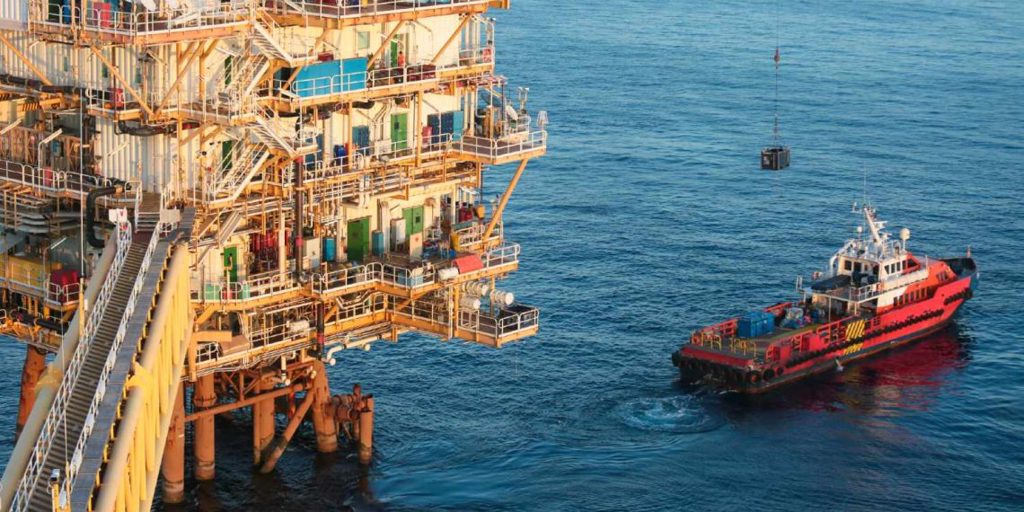
The Ghanaian government has officially acknowledged that unresolved legacy challenges within the country’s petroleum upstream sector have directly contributed to the exit or reduced footprint of several major international oil companies (IOCs). In a candid admission aimed at resetting the narrative, the government is now moving aggressively to implement sweeping reforms designed to restore investor confidence and stem the tide of capital flight.
Speaking at the Africa Business Conversation event, organized by AB & David Africa under the theme “From Investor Interest to Committed Capital: How to Reset Ghana’s Petroleum Upstream Sector for Sustainable Investments,” Deputy Minister for Energy and Green Transition, Richard Gyan-Mensah, did not mince words about the sector’s recent struggles.
“We recognize that legacy issues created uncertainty within the sector and contributed to some of the world’s leading international oil companies reducing or redirecting investment elsewhere,” Gyan-Mensah admitted to the audience of industry stakeholders and policymakers.
The Root of the Exodus
While the Deputy Minister did not name specific companies, industry observers point to the departure of major players such as Kosmos Energy and Tullow Oil reducing their stakes in Ghana’s prolific Jubilee and TEN fields in recent years. These exits have been attributed to a combination of factors: prolonged disputes over capital allowances, creeping fiscal instability, decommissioning liability disagreements, and a regulatory environment that some operators described as unpredictable. For years, international lenders and boardrooms have flagged Ghana’s fiscal terms as less competitive compared to emerging basins in West Africa and South America.
Turning Recommendations into Reality
To reverse this trend, President Mahama’s administration established the Upstream Reform Committee, tasking it with diagnosing the sector’s ailments and proposing a cure. Gyan-Mensah disclosed that the committee’s final report has now been received, containing a comprehensive set of recommendations aimed at fundamentally improving Ghana’s competitiveness.
“We have engaged industry players to resolve those issues,” he stated, adding that preliminary dialogues have already sparked renewed interest from some global energy giants. However, he struck a cautionary tone, emphasizing that “Capital is committed only where there is regulatory certainty, competitive fiscal terms, a business-friendly environment, reliable data, and the infrastructure needed to bring discoveries to market.”
The Regulatory Overhaul
The government’s primary challenge now lies in translating these recommendations into actionable legal and fiscal reforms. Sources within the Ministry suggest that the upcoming reforms may include:
· Streamlined permitting processes to reduce the lengthy timeline from exploration to production.
· Revised Production Sharing Agreements (PSAs) that offer more flexible profit-sharing mechanisms to account for volatile global oil prices.
· Clearer decommissioning and abandonment frameworks that allocate liability fairly between the state and private operators.
A Race Against Mobile Global Capital
Gyan-Mensah’s remarks underscored a stark reality: Ghana is no longer the only game in town. It faces stiff competition from neighboring Ivory Coast, Namibia’s emerging Orange Basin discoveries, and well-established producers like Nigeria and Angola. Global energy capital is highly mobile, and with the global energy transition shifting long-term strategies, oil companies are becoming increasingly selective about where they deploy their finite exploration budgets.
As Ghana prepares to unveil the specifics of its new upstream policy, the clock is ticking. Restoring confidence will require not just new laws, but a visible demonstration of stability and transparency—proving to the world that Ghana remains a reliable, profitable, and predictable destination for long-term hydrocarbon investment.
شارك هذا الخبر
اشترك في النشرة الإخبارية لـ AfroAsia Media
أبرز أخبار اليوم من أفريقيا وآسيا، مباشرةً إلى بريدك الإلكتروني.




التعليقات
عدد التعليقات: 0
جارٍ التحميل…