
نعمل الآن على ترجمة هذا المقال إلى العربية — ستظهر الترجمة هنا بعد لحظات. نعرض لك في الأثناء النص الأصلي باللغة الإنجليزية.
Ghana begins construction of two longest bridges in national history under Big Push
The Government of Ghana has embarked on an ambitious infrastructure drive under its flagship “Big Push” Programme, undertaking the construction of two of the longest bridges spanning water bodies in the country’s history—the 3.6-kilometre Afram Bridge in the Eastern Region and the 1.5-kilometre Dambai Bridge in the Oti Region. Together, these mega-structures represent a transformative…
بقلم Ralph Waldo Emerson
نُشر في مدة القراءة: 5 د
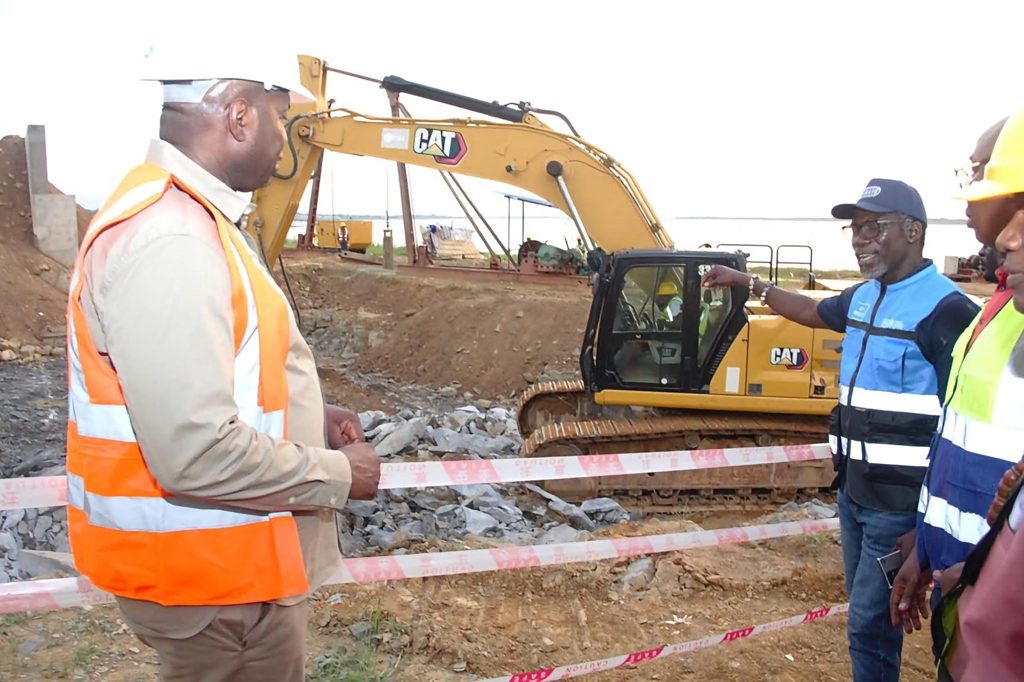
The Government of Ghana has embarked on an ambitious infrastructure drive under its flagship “Big Push” Programme, undertaking the construction of two of the longest bridges spanning water bodies in the country’s history—the 3.6-kilometre Afram Bridge in the Eastern Region and the 1.5-kilometre Dambai Bridge in the Oti Region.
Together, these mega-structures represent a transformative investment in Ghana’s transport network, promising to unlock the economic potential of historically underserved agricultural regions and end decades of reliance on unreliable ferry services.
Dambai Bridge: Steady Progress Under Close Supervision
As part of his nationwide road inspection tour, the Minister for Roads and Highways, Kwame Governs Agbodza, recently visited the Dambai Bridge construction site in the Oti Region to assess progress and engage with the contractor, Maripoma Enterprise Limited.
The Dambai Bridge, which began construction in January 2026, is scheduled for completion in May 2029. Spanning 1.5 kilometres across the River Oti, the project will replace the long-standing ferry service that has historically hindered travel and economic activity in the area. The bridge is designed as a dual carriageway with a width of 15.65 metres, engineered to provide a continuous, 24/7 highway corridor that will slash cross-river transit times from several erratic hours to under three minutes.
During the inspection, Mr Agbodza issued a firm directive to the contractor: deliver the project on time, within budget, and without compromising on quality. He warned that the government would not tolerate unnecessary delays, a recurring concern raised by the public when construction works slow down without adequate explanation.
“Many times, we see projects start and Ghanaians begin to complain that the works have slowed down and no one explains the situation to them. We will not sit down for anybody to delay this project. This project must be completed on schedule,” the Minister stated.
Mr Agbodza revealed that the government had taken proactive measures to ensure smooth execution, including awarding the contract on time and making an early mobilisation payment to the contractor—a practice he noted had not been common on some previous government projects. “The first step was to make sure we award the job on time and then the next thing we did was to pay mobilisation, which was not characteristic of previous projects because government was no longer paying that,” he explained.
National Pride: Funded with Ghana’s Own Resources
In a notable departure from past infrastructure financing models, the Minister emphasised that the Dambai Bridge is being funded entirely by the Government of Ghana through domestic resources, without reliance on foreign loans.
“We are doing this with our own resources. No amount of it is a loan we took from other countries, so Ghanaians must be proud that for once we are spending our own money to do something like this,” Mr Agbodza said. “I think the contractors will be guided and help as much as possible to be able to deliver on time, on budget and without compromising on the quality”.
The Minister expressed confidence that projects under the Big Push programme can be completed within their contractual timelines, provided contractors maintain the expected pace of work. “So far, we don’t envisage that any Big Push contract should go beyond the period we have given them. Whether 36 months or 40 months is a lot of time to be able to do this work,” he noted.
Afram Bridge: Unlocking the ‘Breadbasket of Ghana’
The companion project, the Afram Bridge, will span 3.6 kilometres over the River Afram, connecting Ekye-Amanfrom to Adowso in the Eastern Region. The initiative also includes the development of approximately 100 kilometres of road network.
The Afram Plains have long been known as “the breadbasket of Ghana,” yet for years, that basket has been riddled with holes due to inadequate transportation infrastructure. The new bridge will provide a permanent all-year crossing, replacing seasonal ferry services and reducing transportation bottlenecks for farmers transporting maize, yam, cassava, and livestock to southern markets.
Minister Agbodza previously announced that two previous attempts had been made to construct the bridge, but neither materialised. President John Dramani Mahama has now directed that the project must be delivered under the Big Push initiative. “The President has instructed that under the Big Push, this bridge must be completed to connect the South and the North. The potentials here are great,” Agbodza stated.
The bridge will significantly improve connectivity between the Eastern, Ashanti, and Oti regions, making the movement of people and goods more efficient. It will also support the establishment of a satellite campus for the University of Environment and Sustainable Development.
Strategic Importance for National Development
The two bridges are expected to deliver transformative economic benefits. The Dambai Bridge will improve connectivity between communities in the Oti Region and facilitate the movement of people, goods and services across the Volta Lake corridor and River Oti. The Oti Region serves as a primary national food basket, and immediate, predictable transit will help smallholder farmers move perishable produce to markets, significantly reducing post-harvest losses.
Meanwhile, the Afram Bridge will promote regional integration, boost agriculture, and attract investments into agro-processing. The government has identified both projects as major infrastructure initiatives under the Big Push programme—a GHS166.8 billion ($10 billion) initiative backed by the African Development Bank, targeting the construction and rehabilitation of major highways, regional roads, rural access routes, and cross-border corridors.
With the Dambai Bridge progressing steadily under close ministerial oversight and the Afram Bridge advancing through design and feasibility stages, Ghana is poised to achieve a historic leap in its transport infrastructure—one that promises to bridge not just rivers, but decades of regional isolation and economic disparity.
شارك هذا الخبر
اشترك في النشرة الإخبارية لـ AfroAsia Media
أبرز أخبار اليوم من أفريقيا وآسيا، مباشرةً إلى بريدك الإلكتروني.




التعليقات
عدد التعليقات: 0
جارٍ التحميل…