
نعمل الآن على ترجمة هذا المقال إلى العربية — ستظهر الترجمة هنا بعد لحظات. نعرض لك في الأثناء النص الأصلي باللغة الإنجليزية.
EU launches fully digital entry/exit system for travellers
The European Union has officially launched its fully digital Entry/Exit System (EES), marking a major shift in how non-EU travellers are recorded when entering and leaving the Schengen Area. The new system replaces traditional passport stamping with electronic tracking, automatically logging traveller movements at border points. All entry and exit data—including passport information, travel dates,…
بقلم Ralph Waldo Emerson
نُشر في مدة القراءة: 2 د
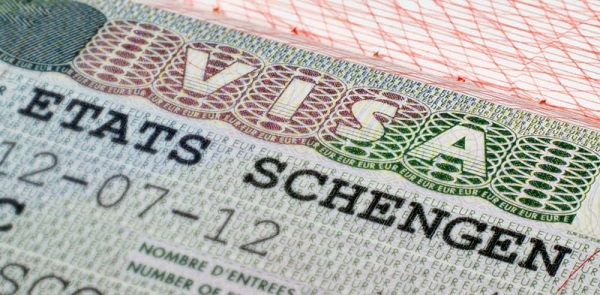
The European Union has officially launched its fully digital Entry/Exit System (EES), marking a major shift in how non-EU travellers are recorded when entering and leaving the Schengen Area.
The new system replaces traditional passport stamping with electronic tracking, automatically logging traveller movements at border points. All entry and exit data—including passport information, travel dates, and biometric data such as fingerprints and facial images—will now be stored digitally.
Under the EES, non-EU nationals visiting the Schengen Area for short stays of up to 90 days within any 180-day period will have their travel details recorded through the new digital process.
Key Features
The system is designed to automatically detect overstays by tracking the duration of each visitor’s stay and flagging cases where individuals exceed their permitted time. This strengthens enforcement authorities’ ability to respond to visa violations.
Biometric registration adds a new layer of identity verification. First-time travellers must register their biometric data at border entry points, while returning visitors can expect faster processing through automated checks.
Part of ‘Smart Borders’ Initiative
The rollout forms part of the EU’s broader “Smart Borders” initiative, which integrates advanced technology into immigration and border management systems to improve security and streamline travel.
EU authorities acknowledge that travellers may initially experience delays as airports and border posts adjust to the new procedures. However, the long-term aim is to enhance efficiency, reduce manual errors, and strengthen border controls across member states.
Impact on International Travellers
For travellers from Africa and other non-EU regions, the change represents a significant shift in travel procedures, reinforcing the importance of adhering strictly to visa conditions and understanding updated entry requirements.
As implementation continues across all Schengen countries, the system is expected to reshape how millions of people travel into and out of Europe.
شارك هذا الخبر
اشترك في النشرة الإخبارية لـ AfroAsia Media
أبرز أخبار اليوم من أفريقيا وآسيا، مباشرةً إلى بريدك الإلكتروني.




التعليقات
عدد التعليقات: 0
جارٍ التحميل…