
نعمل الآن على ترجمة هذا المقال إلى العربية — ستظهر الترجمة هنا بعد لحظات. نعرض لك في الأثناء النص الأصلي باللغة الإنجليزية.
COCOBOD stops credit cocoa purchases, threatens LBCs with license revocation
The Ghana Cocoa Board (COCOBOD) has issued a firm directive barring Licensed Buying Companies (LBCs) from purchasing cocoa beans from farmers on credit, warning that any breach of this order will result in the immediate revocation of their operating licences. The move, announced by the Chief Executive Officer of COCOBOD, Dr. Randy Abbey, forms part…
بقلم Ralph Waldo Emerson
نُشر في مدة القراءة: 4 د
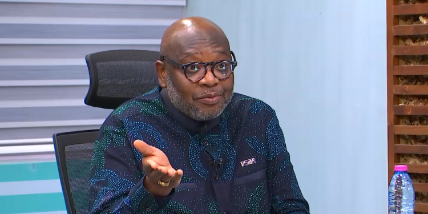
The Ghana Cocoa Board (COCOBOD) has issued a firm directive barring Licensed Buying Companies (LBCs) from purchasing cocoa beans from farmers on credit, warning that any breach of this order will result in the immediate revocation of their operating licences.
The move, announced by the Chief Executive Officer of COCOBOD, Dr. Randy Abbey, forms part of a broader strategy to sanitise the cocoa supply chain, enhance liquidity, and enforce strict payment discipline. Speaking at the launch of the Chamber of Cocoa Marketers in Accra, Dr. Abbey stressed that the regulator has formally communicated the directive to all LBCs, making it clear that the era of purchasing cocoa on credit is over.
“The arrangement is to aid the shorter turnaround time for LBCs so that it can quicken the pace of purchases, eliminate indebtedness to banks, and improve the efficiency and profitability of cocoa purchases,” Dr. Abbey stated.
He further revealed that during stakeholder engagements, LBCs had collectively agreed to desist from the practice, vowing to “go and sin no more.” However, he was unequivocal about the consequences of non-compliance.
“So we are not withdrawing anybody’s license. But we have written to the effect that if it happens again, your license will be revoked because it is against the terms of your license,” he warned.
Dr. Abbey also appealed directly to cocoa farmers, advising them to refuse any requests from purchasing clerks to deposit their beans on credit. “LBCs are not supposed to buy cocoa on credit from you. So don’t go and take your cocoa to any purchasing clerk on credit,” he cautioned.
A Shift in Financing Model
The crackdown on credit purchases comes as COCOBOD prepares to overhaul its entire financing framework for the upcoming 2026/27 crop year. Dr. Abbey noted that the new funding model is designed to provide sufficient liquidity for crop purchases and related operations throughout the year, effectively eliminating the delays in payments to LBCs that have plagued the industry since 2020.
“The new funding model is to ensure sufficient liquidity for cocoa purchases and related operations all year round,” he explained. “Hence beginning the 26/27 crop year, we hope to eliminate the delays in the payment of cocoa taking over receipts which has been the bane of LBCs since 2020.”
Industry analysts note that the delayed payments to LBCs have historically forced them to take on expensive bank loans to pay farmers upfront. This cycle of indebtedness not only eroded their profit margins but also slowed down the pace of cocoa purchases. The new system aims to accelerate payment cycles, enabling LBCs to operate more efficiently and profitably.
Boosting Domestic Processing
Beyond stabilising the supply chain, Dr. Abbey indicated that the financing reforms are critical to Ghana’s ambition to increase domestic cocoa processing and value addition. He revealed that the previous funding structure required a significant portion of the crop to be collateralised for financing, which severely restricted the availability of raw beans for local processors.
The new mechanism is intended to unlock this bottleneck, providing liquidity for procurement while ensuring that local factories have greater access to raw materials to support the government’s industrialisation agenda.
Legislative Backing
These sweeping reforms are anchored in the new Ghana Cocoa Board Bill 2026, which was recently passed by Parliament. Dr. Abbey hailed the Bill as the most significant legislative overhaul of the cocoa sector since 1984.
The new law guarantees cocoa farmers a fixed percentage of the gross Free on Board (FOB) value—set at 70%—and introduces mechanisms that allow producer prices to be adjusted mid-season in response to global market indicators.
“These measures and the new bill constitute the most significant reforms to our industry since 1984. So the COCOBOD Act until Parliament passed this new one was a 1984 Act. These reforms are resetting the cocoa sector for growth and industrialisation,” Dr. Abbey emphasised.
As Ghana positions itself to retain more value from its cocoa production, the ban on credit purchases marks a pivotal step towards creating a more financially sustainable and efficient cocoa economy for all stakeholders.
شارك هذا الخبر
اشترك في النشرة الإخبارية لـ AfroAsia Media
أبرز أخبار اليوم من أفريقيا وآسيا، مباشرةً إلى بريدك الإلكتروني.




التعليقات
عدد التعليقات: 0
جارٍ التحميل…