
نعمل الآن على ترجمة هذا المقال إلى العربية — ستظهر الترجمة هنا بعد لحظات. نعرض لك في الأثناء النص الأصلي باللغة الإنجليزية.
China falls on soybean self-sufficiency goals, industry data shows
China has missed a key target in its strategic plan to reduce dependence on imported soybeans, according to recent industry data, highlighting the persistent challenge of securing the nation’s agricultural supply chain. Figures released last week by the China Feed Industry Association (CFIA) reveal that the proportion of soybean meal in domestically produced animal feed…
بقلم Ralph Waldo Emerson
نُشر في مدة القراءة: 2 د
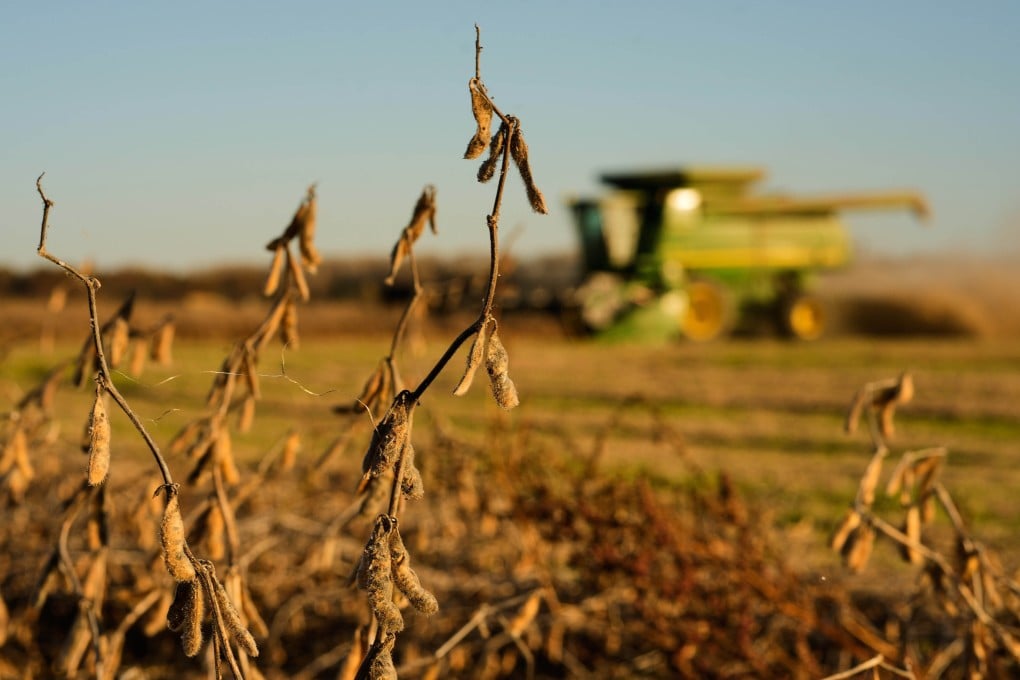
China has missed a key target in its strategic plan to reduce dependence on imported soybeans, according to recent industry data, highlighting the persistent challenge of securing the nation’s agricultural supply chain.
Figures released last week by the China Feed Industry Association (CFIA) reveal that the proportion of soybean meal in domestically produced animal feed remained static at 13.4% throughout 2025. This stagnation means the country failed to achieve an official goal set in 2023: lowering the ratio from 14.5% in 2022 to below 13% by last year.
The setback adds pressure on Beijing’s longer-term ambition of cutting soybean meal usage in feed to just 10% by 2030. Soybeans are viewed by Chinese authorities as the sector’s most significant vulnerability, with over 80% of the country’s massive demand historically met by imports, chiefly from Brazil and the United States. The crop is primarily processed into protein-rich meal to support China’s vast livestock industry and its citizens’ growing appetite for meat.
Analysts point to economic hurdles in adopting alternatives. While research into substitutes like biosynthetic amino acids has advanced since 2023, these solutions have not yet achieved the scale or cost-efficiency needed to make a substantial dent in import needs.
“The development of substitutes is meaningful for cutting import reliance and safeguarding national food security, but in practice, the new technologies are still too costly,” said Wang Wenshen, an analyst with Sublime China Information.
The stalled progress comes amid ongoing efforts to de-risk a critical supply chain. Reducing soybean import dependence remains a central pillar of China’s national food security strategy, but the latest data suggests achieving self-sufficiency is a complex and longer-term challenge than initially projected.
شارك هذا الخبر
اشترك في النشرة الإخبارية لـ AfroAsia Media
أبرز أخبار اليوم من أفريقيا وآسيا، مباشرةً إلى بريدك الإلكتروني.




التعليقات
عدد التعليقات: 0
جارٍ التحميل…