
نعمل الآن على ترجمة هذا المقال إلى العربية — ستظهر الترجمة هنا بعد لحظات. نعرض لك في الأثناء النص الأصلي باللغة الإنجليزية.
Banking sector NPLs fall to GHc19.9bn as asset quality improves
Ghana’s banking sector has recorded a significant improvement in asset quality, with the stock of non-performing loans (NPLs) declining to GH¢19.9 billion at the end of June 2026, down from GH¢20.7 billion a year earlier. New data from the Bank of Ghana show the industry’s NPL ratio fell to 16.1% in June 2026 from 23.1%…
بقلم Ralph Waldo Emerson
نُشر في مدة القراءة: 4 د
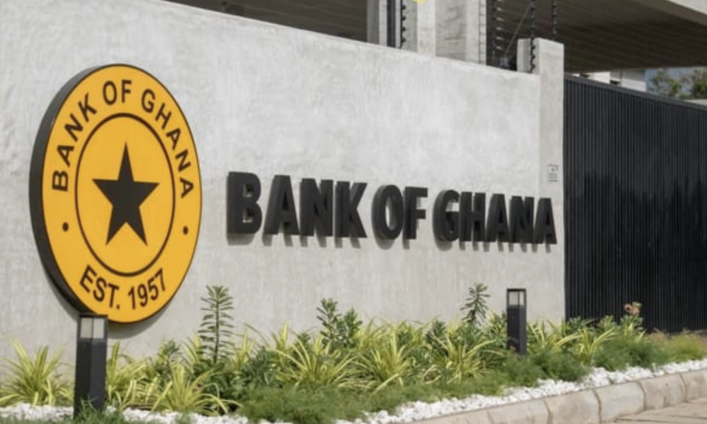
Ghana’s banking sector has recorded a significant improvement in asset quality, with the stock of non-performing loans (NPLs) declining to GH¢19.9 billion at the end of June 2026, down from GH¢20.7 billion a year earlier.
New data from the Bank of Ghana show the industry’s NPL ratio fell to 16.1% in June 2026 from 23.1% in June 2025, a marked improvement that signals strengthening credit conditions across the banking industry . The NPL ratio, adjusted for the fully provisioned loan loss category, similarly declined to 4.6% from 8.5% over the period.
The improvement comes after a difficult stretch for the industry, when the NPL ratio climbed from 20.6% at the end of 2023 to 21.8% a year later, before rising further into 2025 .
Private Sector Drives NPL Concentration
Private sector borrowers continued to account for the overwhelming majority of non-performing loans in the banking industry. The private sector’s share of total NPLs increased to 98% in June 2026 from 96.4% a year earlier, while the public sector’s contribution fell from 3.6% to 2% .
“The distribution of NPLs remains broadly consistent with the sectoral composition of industry credit exposures,” the Bank of Ghana report stated.
Agriculture Remains a Stress Point
While asset quality strengthened broadly across most sectors, agriculture, forestry and fishing continued to pose significant credit risk. The NPL ratio for that sector increased to 65.1% in June 2026 from 59.1% in June 2025 .
The Bank of Ghana, however, said improvements in other sectors more than offset the deterioration in agriculture, resulting in an overall strengthening of the banking industry’s asset quality.
Credit Growth Accelerates Sharply
The improvement in asset quality coincided with a significant acceleration in credit growth. Gross loans and advances increased by 39.4% year-on-year to GH¢124.3 billion at the end of June 2026, compared with 5.5% growth recorded a year earlier .
The expansion was driven mainly by stronger lending to the private sector. Credit to private enterprises and households rose by 39.6% to GH¢119.1 billion, compared with 9.2% growth a year earlier. Credit to the public sector also recovered, growing by 5.6% to GH¢4.7 billion after contracting by 31.3% in the corresponding period of 2025 .
As a result, the private sector’s share of total bank credit increased to 96.2% from 95.1%, while the public sector’s share declined to 3.8% from 4.9%.
Lending Concentrated in Key Sectors
Bank lending remained concentrated in a few key sectors. The services sector accounted for the largest share at 36.6%, followed by commerce and finance at 24.1%. Construction recorded a notable increase, accounting for 10.7% of total industry credit .
Together, the three sectors accounted for 71.4% of total industry lending, slightly below the 72.3% recorded a year earlier.
Central Bank Sets Ambitious Target
Despite the improvement, Bank of Ghana Governor Dr Johnson Pandit Asiama has ordered every regulated lender to cut its bad-loan ratio below 10% by December, with dividend and bonus bans for banks that miss the deadline .
Asiama has acknowledged the industry’s NPL ratio eased to 16.1% by June 2026 from more than 23% in mid-2025, but said it remains too high to support the credit growth the economy needs.
Reasons Behind the Improvement
According to the Bank of Ghana, the improvement was driven by reductions in both the stock of non-performing loans and the overall NPL ratio. The central bank attributed the stronger performance of the credit portfolio to enhanced loan recovery efforts and improved credit risk management practices .
The central bank added that the developments point to better credit risk conditions, although vulnerabilities in asset quality remain a concern. A sustained decline in NPLs could support a gradual reduction in the cost of credit, although any decline in interest rates may be marginal.
The Bank of Ghana said financial soundness indicators remained broadly positive in June 2026, supported by improvements in solvency, core liquidity and asset quality. “Efficiency and profitability indicators, however, showed mixed trends during the review period,” the report added .
شارك هذا الخبر
اشترك في النشرة الإخبارية لـ AfroAsia Media
أبرز أخبار اليوم من أفريقيا وآسيا، مباشرةً إلى بريدك الإلكتروني.




التعليقات
عدد التعليقات: 0
جارٍ التحميل…