
نعمل الآن على ترجمة هذا المقال إلى العربية — ستظهر الترجمة هنا بعد لحظات. نعرض لك في الأثناء النص الأصلي باللغة الإنجليزية.
Africa’s exclusion from UN Security Council undermines global credibility, says Vice-President Opoku-Agyemang
Ghana’s Vice President, Professor Naana Jane Opoku-Agyemang, has issued a strong call for urgent reforms to the United Nations Security Council, arguing that Africa’s continued exclusion from permanent membership is eroding the institution’s credibility and effectiveness. Speaking on April 19 at the fourth high-level meeting of the In Defence of Democracy Summit in Barcelona, the…
بقلم Ralph Waldo Emerson
نُشر في مدة القراءة: 2 د
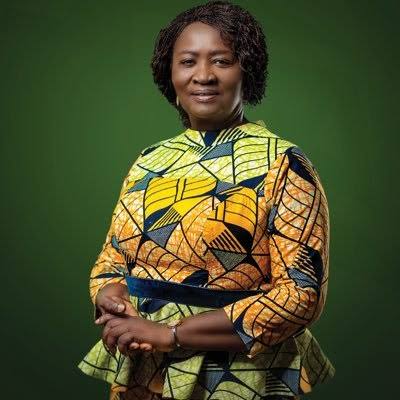
Ghana’s Vice President, Professor Naana Jane Opoku-Agyemang, has issued a strong call for urgent reforms to the United Nations Security Council, arguing that Africa’s continued exclusion from permanent membership is eroding the institution’s credibility and effectiveness.
Speaking on April 19 at the fourth high-level meeting of the In Defence of Democracy Summit in Barcelona, the Vice President warned that delaying reform of global governance structures is no longer an option.
“If we are serious about defending democracy, then reform of these institutions cannot be deferred,” she said. “For Ghana, this includes a long-standing concern: the need to make the United Nations system, particularly the Security Council, more representative of contemporary realities. The absence of adequate African representation continues to affect both credibility and efficiency.”
Professor Opoku-Agyemang also called for a fundamental overhaul of the global financial architecture to ensure developing nations have fair and unimpeded access to resources. She noted that structural imbalances in the international economic order—compounded by rising debt burdens—are severely limiting governments’ ability to deliver on development goals and consolidate democratic gains.
“Democratic legitimacy is also shaped by outcomes,” she added. “Across much of the developing world, governments’ ability to deliver is constrained by structural factors, including limited access to affordable finance, debt burdens, and unequal terms of participation in the global economy.”
According to the Vice President, addressing these systemic barriers is essential to strengthening democratic institutions and restoring public trust in governance, particularly across developing economies.
شارك هذا الخبر
اشترك في النشرة الإخبارية لـ AfroAsia Media
أبرز أخبار اليوم من أفريقيا وآسيا، مباشرةً إلى بريدك الإلكتروني.




التعليقات
عدد التعليقات: 0
جارٍ التحميل…