
我们正在将本文翻译成中文,译文稍后将显示在此处。目前先显示英文原文。
‘We will proceed’: Ghana stands firm on gold royalty hike amid diplomatic pushback
Ghana has officially dismissed mounting pressure from foreign governments and international mining firms, confirming it will implement a new sliding-scale gold royalty regime starting Tuesday. The policy, designed to capture a greater share of revenue from record-high bullion prices, will see royalty rates climb as high as 12 percent when gold hits $4,500 per ounce.…
发布于 阅读约 3 分钟
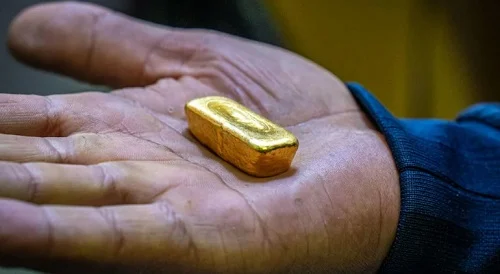
Ghana has officially dismissed mounting pressure from foreign governments and international mining firms, confirming it will implement a new sliding-scale gold royalty regime starting Tuesday. The policy, designed to capture a greater share of revenue from record-high bullion prices, will see royalty rates climb as high as 12 percent when gold hits $4,500 per ounce.
The move replaces the long-standing flat five percent royalty rate and comes as gold trades above $5,000 on global markets. According to details reviewed by Reuters, the new framework aims to ensure that the state benefits proportionately from commodity price booms, aligning Ghana with a growing trend among resource-rich African nations seeking to renegotiate the terms of extraction.
A Rare Diplomatic Intervention
The policy shift has sparked rare, coordinated pushback from international powers. Last week, Reuters reported that diplomatic missions from the United States, China, and several Western nations jointly appealed to Accra to halt the reform, warning it could dampen investor sentiment in one of the world’s top gold-producing nations.
Despite the intervention, the government is pressing ahead. Isaac Tandoh, Chief Executive Officer of the Minerals Commission, confirmed that while foreign missions raised concerns, they did not oppose the principle of a review.
“They met us; they are not against the review in principle,” Mr. Tandoh told Reuters over the weekend. He explained that diplomatic representatives suggested capping the top rate only when gold reaches $5,000 per ounce—a proposal Ghanaian authorities firmly rejected.
Balancing Revenue and Investment
The new system will also introduce a sliding scale for lithium production, with rates ranging from five to 12 percent depending on market prices, linked to values between $1,500 and $3,200 per metric tonne. Other minerals will retain a flat five percent royalty.
The policy has divided opinion. While the government touts it as a necessary step for fiscal fairness, industry leaders have issued stark warnings. The Ghana Chamber of Mines, representing major operators, cautioned that the increased fiscal burden could stifle future investment.
Kenneth Ashigbey, CEO of the Chamber, warned the policy would “dry up new projects and output,” potentially undermining long-term growth in a sector critical to the national economy.
However, Mr. Tandoh dismissed fears that Ghana would lose its competitive edge. He stated that internal government modeling shows the sliding-scale structure balances increased state revenues with healthy profit margins for investors. He argued that regulatory certainty is a more significant factor for mining companies than marginal increases in operational costs.
“We will proceed,” Tandoh affirmed, reinforcing the government’s stance that the reform is crucial for Ghanaians to receive a fairer share of their mineral wealth amid a global commodity surge.
订阅 AfroAsia Media 新闻简报
每日非洲与亚洲要闻,直接发送到您的邮箱。




评论
0 条评论
加载中…