
我们正在将本文翻译成中文,译文稍后将显示在此处。目前先显示英文原文。
The making of a classic: How Ronny Yu and Jet Li turned fearless into a landmark of martial arts cinema
When Jet Li declared that Fearless (2006) would be his final wushu film, he said it captured everything he felt about the discipline, leaving him with nothing more to add. While he eventually returned to the genre, that initial sentiment proved justified: the film remains one of the most thoughtful and visually stunning martial arts…
发布于 阅读约 3 分钟
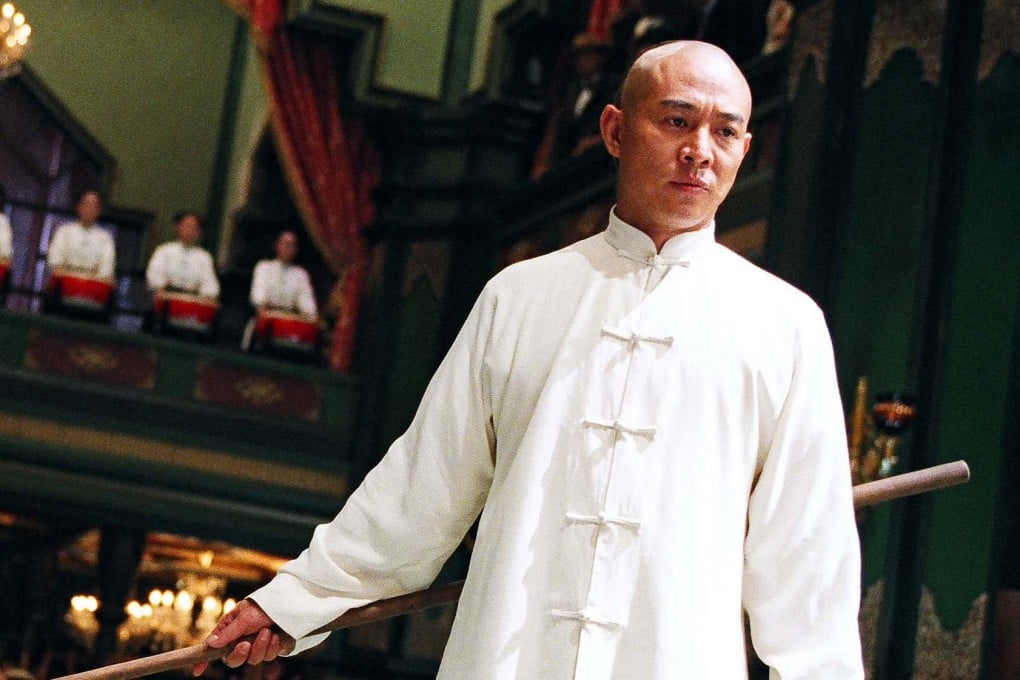
When Jet Li declared that Fearless (2006) would be his final wushu film, he said it captured everything he felt about the discipline, leaving him with nothing more to add. While he eventually returned to the genre, that initial sentiment proved justified: the film remains one of the most thoughtful and visually stunning martial arts features ever produced.
Directed by Ronny Yu, a veteran of the Hong Kong New Wave, Fearless offers a loose retelling of the life of kung fu legend Huo Yuanjia. Rather than delivering a straightforward revenge tale, Yu crafted a complex humanitarian drama centered on the philosophy of non-violence. “I wanted to return to the roots of the older Chinese wushu films, but pay greater attention to character, story and cinematic presentation,” Yu explained. “Fearless is first and foremost a human story. The action follows the story, rather than the other way around.”
The film charts Huo’s transformation from an arrogant, aggressive young fighter seeking to be champion of Tianjin to a wise, restrained master who values peace over victory. This narrative arc allowed Yu to use the martial arts themselves as a storytelling tool. “I told Jet I planned to use his physical ability as an acting instrument,” Yu said. “I wanted the audience to understand the psychology of Huo through the way he moved. That’s why the style of the action changes as Huo changes. Early in the film, Huo fights egotistically. Later he fights with control. In the final scene, he fights with understanding.”
To achieve this, Yu collaborated closely with legendary choreographer Yuen Woo-ping. Yu handled the dramatic intent, camera work, and editing, while Yuen developed the physical vocabulary on set. Their partnership resulted in grounded, realistic combat sequences that avoided the rapid cutting and exaggerated wirework of previous decades. “My principle was essentially to let the audience see one punch and one kick in down-to-earth battles,” Yu noted. “If you have a performer of the calibre of Jet Li, why hide him behind the editing?”
Li rose to the challenge, delivering what many critics consider the most well-rounded performance of his career. Having honed his dramatic skills in Hollywood and Europe, Li proved he was more than a martial artist. His personal interest in Tibetan Buddhism also aligned with Huo’s spiritual journey toward humility and understanding, lending authenticity to the character’s moral awakening.
The theatrical release of Fearless was significantly trimmed from a 140-minute cut to 105 minutes for commercial reasons. That longer version included a contemporary framing device featuring Michelle Yeoh, who portrayed a woman making the case for wushu to the International Olympic Committee. Yu later restored this scene in a 141-minute director’s cut, which remains the preferred version for fans seeking the film’s complete conceptual vision.
Nearly two decades later, Fearless endures as a testament to the genre’s potential, demonstrating that a martial arts epic can be an introspective meditation on self-mastery and peace while still delivering breathtaking action.
订阅 AfroAsia Media 新闻简报
每日非洲与亚洲要闻,直接发送到您的邮箱。




评论
0 条评论
加载中…