
我们正在将本文翻译成中文,译文稍后将显示在此处。目前先显示英文原文。
Selective outrage? The Sowutuom case that exposed Ghana’s politics of convenience
The arrest and detention of New Patriotic Party (NPP) communicator Dennis Miracles Aboagye has reignited a fierce debate about free speech and selective justice in Ghana. But for those with long memories, the current outcry rings hollow. Just over a year ago, a Sowutuom branch organiser of the National Democratic Congress (NDC) was sentenced to…
发布于 阅读约 4 分钟
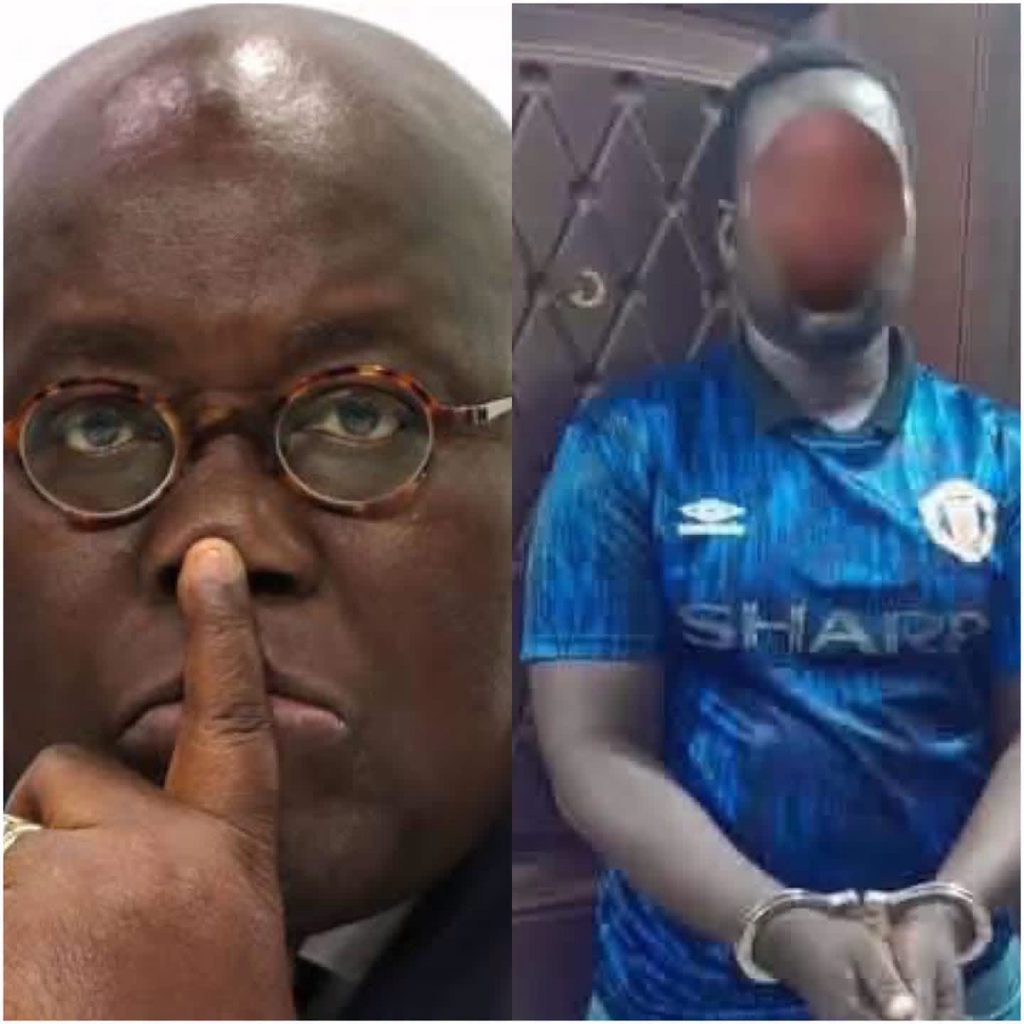
The arrest and detention of New Patriotic Party (NPP) communicator Dennis Miracles Aboagye has reignited a fierce debate about free speech and selective justice in Ghana. But for those with long memories, the current outcry rings hollow.
Just over a year ago, a Sowutuom branch organiser of the National Democratic Congress (NDC) was sentenced to four years’ imprisonment for threatening to kill citizens during the December 7, 2024 elections. The case drew little of the outrage now being directed at the Mahama administration — a fact that has not gone unnoticed.
The Sowutuom case: What happened
Mohammed Ibrahim, the Sowutuom Branch Organiser of the NDC and self-proclaimed leader of a revolutionary group known as “Ka na wu” — literally meaning “Speak and die” in Twi — was arrested on September 10, 2024, after a video of him making inciteful comments on social media went viral.
In the video, Ibrahim was seen wearing a red military beret and alleging that the Ghana Police Service in the Ashanti Region, under the direction of the Inspector General of Police and the then-Minister for the Interior, Henry Quartey, were recruiting fake police personnel to kill citizens during the elections. He further claimed that he and his cohorts knew where the minister lived and that in the outbreak of war in Ghana, “they will shoot him”.
Ibrahim was charged with three counts: publication of false news with intent to cause fear and alarm, threat of harm, and offensive conduct conducive to breach of peace. On November 29, 2024, the Accra Circuit Court, presided over by Her Honour Evelyn Asamoah, found him guilty and sentenced him to three years for publication of false news, four years for threat of harm, and three years for offensive conduct — the sentences to run concurrently.
Bail and appeal
Ibrahim’s lawyer, Nii Kpakpo Samuah Addo, proceeded to the Court of Appeal, which granted bail in the sum of GH¢100,000 with one surety pending appeal. The court held that there was an error on the face of the record, leading to the decision to grant bail. Ibrahim was ordered to report to the Regional Crime Officer every two weeks.
The double standard debate
The Sowutuom case has become a lightning rod in the broader debate about selective justice in Ghana’s political landscape. Critics point out that while NDC members faced prosecution under the Akufo-Addo administration, there was little of the public outrage now being voiced by opposition figures over similar actions under the current government.
Private legal practitioner Maurice Ampaw has argued that President John Dramani Mahama benefited from media attacks and insults directed at political opponents while the NDC was in opposition. “Meanwhile, the president’s own media houses, those pro-NDC media houses, are freely insulting, attacking, and bullying on social media,” he alleged.
The NPP has also accused the government of state-sponsored harassment, arguing that while NDC members walked free for making similar comments, the party’s communications officer has been detained for two weeks. Former Greater Accra Regional Minister Daniel Nii Kwartei Titus Glover has lambasted the NDC government over the arrest and detention of Dennis Miracles Aboagye, warning that “inasmuch as there is sunshine, there is rainfall”.
A pattern of convenience?
The debate extends beyond the Sowutuom case. In 2017, NDC serial caller Frank Kwaku Appiah, known as “Appiah Stadium,” was arrested by police in the Ashanti Region for labeling President Akufo-Addo a “drug addict”. In 2022, Power FM presenter Oheneba Boamah Bennie was jailed over claims against President Akufo-Addo and threats to judges. In 2023, a 40-year-old tile setter, Raphael Okoe Ankrah, also known as “Okoe Killer,” was remanded for insulting the president in a viral video.
Yet each of these cases, critics note, was met with fierce defence from the NDC and its supporters — a defence that now seems conspicuously absent when the shoe is on the other foot.
The law and political speech
Under Ghana’s Criminal Offences Act, 1960 (Act 29), publication of false news with intent to cause fear and alarm carries a penalty of up to three years’ imprisonment. Threat of harm and offensive conduct conducive to breach of peace are similarly punishable offences.
The question, however, is whether these laws are being applied consistently — or whether they are being weaponised against political opponents depending on which party is in power.
A call for consistency
As one commentator put it: “Someone must be jailed to deter political insults”. But the call for deterrence rings hollow when it appears to apply only to one side of the political divide.
The Sowutuom case stands as a reminder that the law was enforced under the previous administration — and that those now complaining loudest about arrests for political speech were notably silent when the targets were from their own party. For Ghanaians weary of political hypocrisy, the message is clear: selective outrage helps no one, and justice must be blind to party colours.
订阅 AfroAsia Media 新闻简报
每日非洲与亚洲要闻,直接发送到您的邮箱。




评论
0 条评论
加载中…