
我们正在将本文翻译成中文,译文稍后将显示在此处。目前先显示英文原文。
Reference rate plunges to 11.71%, paving way for sharp drop in lending costs
The Ghana Reference Rate (GRR), the benchmark used by commercial banks to price loans, has tumbled to 11.71 percent for March 2026—a dramatic decline from February’s 14.58 percent and one of the steepest monthly drops since the rate’s introduction. The sharp reduction signals that borrowers could soon see significant relief, with average lending rates—currently hovering…
发布于 阅读约 3 分钟
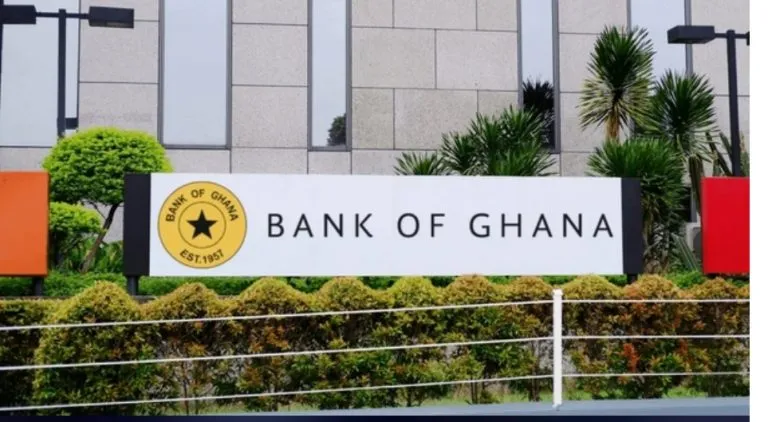
The Ghana Reference Rate (GRR), the benchmark used by commercial banks to price loans, has tumbled to 11.71 percent for March 2026—a dramatic decline from February’s 14.58 percent and one of the steepest monthly drops since the rate’s introduction.
The sharp reduction signals that borrowers could soon see significant relief, with average lending rates—currently hovering around 22 percent—expected to fall to approximately 19 percent by early April, depending on individual risk profiles and negotiations with lenders.
Industry sources attribute the decline primarily to treasury bill rates sliding into single-digit territory, coupled with a marginal dip in the interbank rate. Government’s fiscal consolidation efforts have reduced domestic borrowing, while excess liquidity in the banking sector has further pressured yields downward.
Key Drivers of the March Rate
The March 2026 GRR was calculated using three main variables:
· Treasury Bill rates (end-February)
· Interbank rate (February average)
· Monetary Policy Rate
What This Means for Borrowers
The reduction could trigger one of the most significant downward adjustments in lending rates in recent memory. Creditworthy customers with strong repayment histories may even qualify for single-digit interest rates, with some commercial banks already offering facilities at the GRR minus five percentage points for their most reliable clients.
However, the benefits will not be universal. Borrowers with fixed-rate loans will see no change, while those on variable-rate facilities may experience reductions depending on their bank’s pricing model. Loans contracted in February at variable rates are likely to become cheaper to service in the coming days.
The relief comes amid persistent tight credit conditions, as businesses continue to grapple with liquidity constraints stemming from measures to curb inflation and stabilise the economy.
Stephane Miezan, President of the Ghana National Chamber of Commerce and Industry, has warned that access to financing—not merely its cost—remains the critical hurdle for many businesses, noting that credit constraints have contributed to the collapse of some firms.
Declining Trend Continues
The March drop follows a marginal cut from 15.58 percent in January to 14.58 percent in February. In December 2025, the GRR fell to 15.9 percent after the Bank of Ghana slashed the Monetary Policy Rate by 350 basis points to 18 percent.
Throughout 2025, the rate trended generally downward, plunging from 29.72 percent in January to 19.67 percent by August, before minor fluctuations in the final months of the year.
Background
Introduced in 2017 by the Bank of Ghana and the Ghana Association of Banks, the GRR replaced the previous base-rate model to promote transparency, consistency, and fairness in loan pricing. The maiden rate, announced in April 2017, stood at 16.82 percent following extensive consultations with industry stakeholders.
订阅 AfroAsia Media 新闻简报
每日非洲与亚洲要闻,直接发送到您的邮箱。




评论
0 条评论
加载中…