
我们正在将本文翻译成中文,译文稍后将显示在此处。目前先显示英文原文。
Messi, at 39, rewrites World Cup history: Leads every major attacking stat while walking half the time
The numbers are staggering. Eight goals. Thirty-three shots. Twenty-one chances created. Six big chances. Seventeen successful crosses. Fifteen through balls. And a 47% walking rate. As Argentina prepares for Wednesday’s World Cup semi-final against England, Lionel Messi is not just defying age — he is redefining what is possible at 39. The Inter Miami forward…
发布于 阅读约 3 分钟
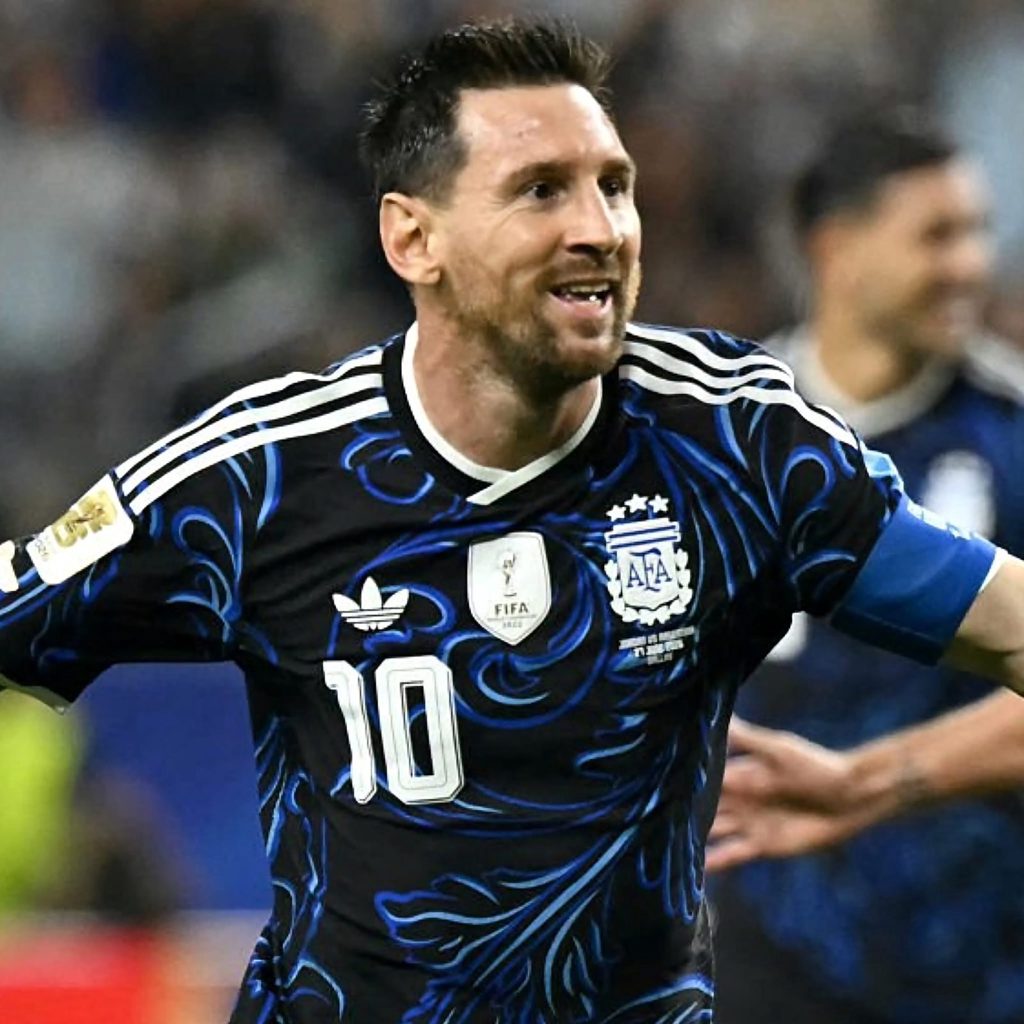
The numbers are staggering. Eight goals. Thirty-three shots. Twenty-one chances created. Six big chances. Seventeen successful crosses. Fifteen through balls.
And a 47% walking rate.
As Argentina prepares for Wednesday’s World Cup semi-final against England, Lionel Messi is not just defying age — he is redefining what is possible at 39. The Inter Miami forward leads or shares the lead in virtually every attacking category at this tournament, producing a statistical masterclass that echoes the legendary Diego Maradona in 1986.
The Numbers That Define Greatness
Messi’s eight goals put him level with France’s Kylian Mbappé atop the Golden Boot race, and he has already become the all-time leading scorer in World Cup history with 21 career goals. He has scored in six consecutive knockout-phase games — the first player ever to do so.
His 33 shots are the most of any player in the tournament, and his 21 chances created represent a creative output unmatched by anyone else on the global stage. Combined, his 54 attacking actions — shots plus chances created — are the most by any player in a single World Cup since Maradona’s iconic 1986 campaign.
He also leads the tournament in big chances created (6), successful crosses (17), and through balls (15). With three assists to go with his eight goals, Messi has been involved in 11 of Argentina’s 14 goals — a staggering 78% of his team’s offensive output.
The Walking Genius
Perhaps the most remarkable detail is how Messi has achieved these numbers. According to FIFA tracking data, he has walked during 47% of the distance he has covered — the highest percentage of any outfield player in the tournament. He averages just 8.2 kilometers of running per 90 minutes, the lowest among all Argentina outfield players. His sprint count has dropped to just 2.7 per match, roughly half the rate he posted at the 2022 World Cup in Qatar.
Yet the magic has not been dimmed by the passing of the years. Messi has simply adapted his game, conserving energy while positioning himself to strike at precisely the right moments. The result is a player who moves less but creates more — a tactical evolution that has kept him ahead of a game that has always been chasing him.
A Legacy Already Secured
This is Messi’s sixth World Cup, matching the record shared with Cristiano Ronaldo and Mexico’s Guillermo Ochoa. He has now scored in more consecutive World Cup matches than any player in history, and his 21 career goals have surpassed Miroslav Klose’s previous record of 16.
Under Lionel Scaloni — the same man who captained Argentina when Messi made his international debut in 2005 — Messi’s attacking output has skyrocketed. In 16 major tournament knockout games under Scaloni, he has scored nine goals. Before Scaloni’s appointment, he had managed just four in 18 such matches.
Wednesday’s semi-final against England presents a unique challenge: Messi has never faced the Three Lions at senior level in his 21-year international career. England will have to do something only Poland has managed in Messi’s past 15 World Cup appearances — stop him from scoring or assisting.
Whatever happens in Atlanta, the numbers already tell an extraordinary story. At an age when most players have long since retired, Lionel Messi is not just competing — he is dominating. And he is doing it while walking half the time.
订阅 AfroAsia Media 新闻简报
每日非洲与亚洲要闻,直接发送到您的邮箱。




评论
0 条评论
加载中…