
我们正在将本文翻译成中文,译文稍后将显示在此处。目前先显示英文原文。
Jorge Jesus takes charge of Portugal: ‘Performance dictates selection, not reputation’
Jorge Jesus was officially unveiled as Portugal’s new head coach on Friday, and the 71-year-old tactician did not hesitate when asked about the most sensitive question surrounding the national team: what becomes of Cristiano Ronaldo’s place in the starting lineup? “Regarding Cristiano playing almost 90 minutes in every match, I always say: the match dictates…
发布于 阅读约 4 分钟
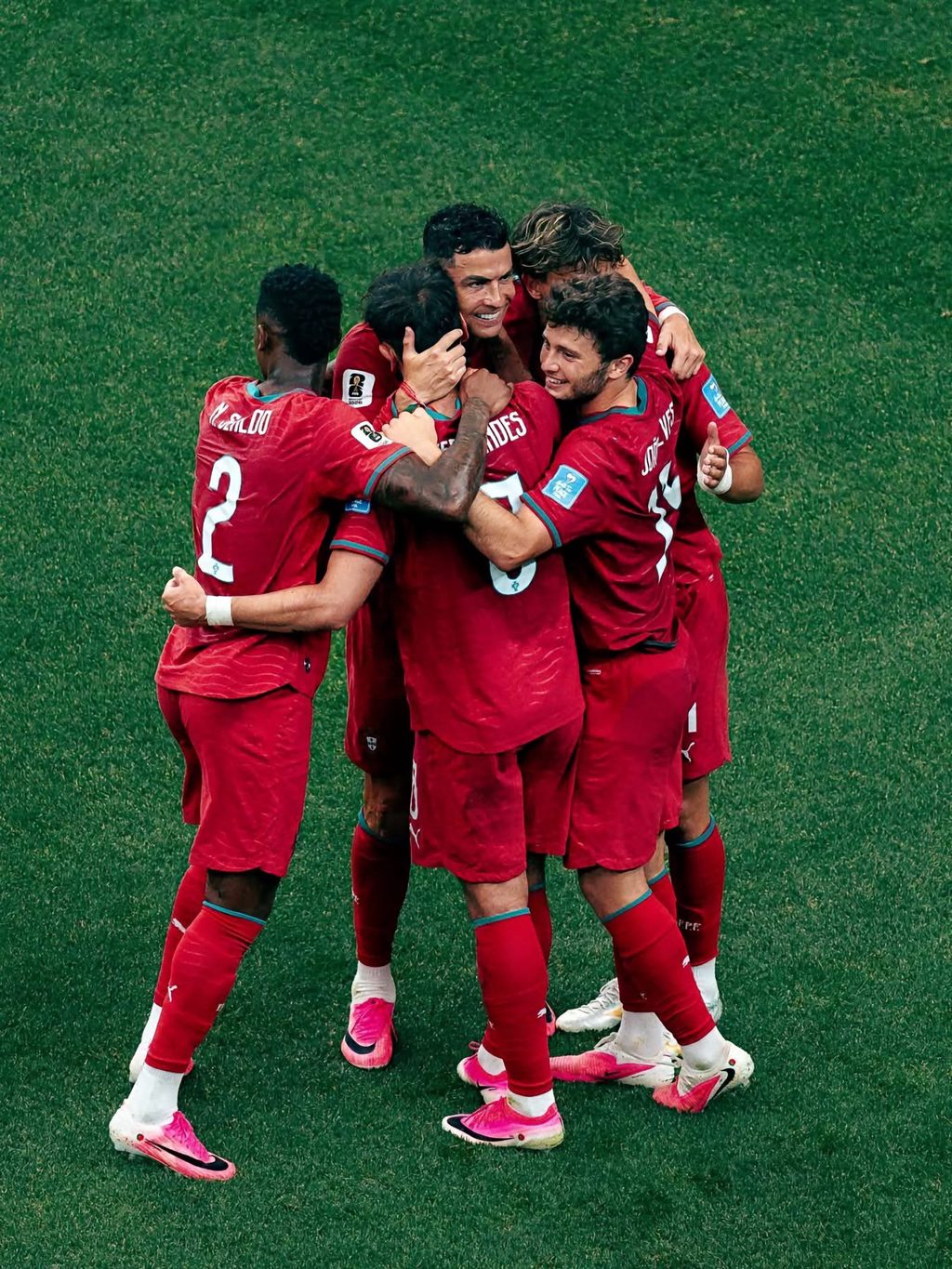
Jorge Jesus was officially unveiled as Portugal’s new head coach on Friday, and the 71-year-old tactician did not hesitate when asked about the most sensitive question surrounding the national team: what becomes of Cristiano Ronaldo’s place in the starting lineup?
“Regarding Cristiano playing almost 90 minutes in every match, I always say: the match dictates it,” Jesus told reporters at the Portuguese Football Federation headquarters in Lisbon. “I can’t give a definitive answer beforehand. What matters to us coaches is the player’s performance.”
The veteran manager, who replaces Spaniard Roberto Martínez following Portugal’s round-of-16 exit at the 2026 World Cup, made clear that no player—not even the five-time Ballon d’Or winner—is exempt from the same standards.
“If a player isn’t performing at the required level, whoever he is, he should be substituted,” Jesus stated firmly. “And if he’s performing as required, he shouldn’t be substituted.”
A Painful Exit and a New Beginning
Portugal’s World Cup campaign ended in heartbreak on July 6, when an unmarked Mikel Merino broke the deadlock in the 91st minute to hand Spain a 1-0 victory in the last 16. The defeat triggered Martínez’s departure and opened the door for Jesus, who had just guided Al-Nassr to the Saudi Pro League title with Ronaldo in May.
The 41-year-old Ronaldo, playing in his sixth and final World Cup, confirmed after the defeat that his World Cup journey had ended but stopped short of announcing his retirement from international football. He scored three goals in the tournament, including his first-ever World Cup knockout-stage goal against Croatia, and became the first player to score in six different World Cups. His international tally stands at 146 goals in 232 appearances.
Yet questions over his role persisted throughout the tournament. In Portugal’s group-stage opener against DR Congo, Ronaldo played the full 90 minutes but managed just 25 touches—the fewest of any Portugal starter—with zero shots on target and zero chances created. Fans and media openly debated whether Martínez should have turned to younger options like Gonçalo Ramos.
A Perfectionist Takes the Helm
Jesus, who has signed a contract through the 2030 World Cup—co-hosted by Portugal, Spain and Morocco—arrives with a reputation for being demanding, meticulous and uncompromising.
A self-described disciple of Johan Cruyff’s attacking philosophy, Jesus has managed a dozen Portuguese clubs including Benfica and Sporting Lisbon, as well as Flamengo in Brazil, Fenerbahçe in Turkey, and Saudi sides Al-Hilal and Al-Nassr. His teams are defined by intensity, aggressive ball movement and high pressing—qualities Portugal conspicuously lacked against Spain.
“Portugal have a new coach, and he is the opposite of Martínez—demanding, meticulous and not prone to making concessions,” Spanish newspaper Deia observed.
The contrast in personality is stark. While Martínez was seen as diplomatic and conciliatory, Jesus is known for his strong, sometimes confrontational leadership. He once cancelled a rehearsal by rapper 50 Cent at Belenenses’ stadium because it interfered with his team’s training session.
Building a ‘Portuguese Way’
Jesus inherits a squad loaded with talent—midfielders Vitinha, João Neves and Bruno Fernandes, Paris Saint-Germain’s Champions League-winning contingent, and a generation of young stars. Yet critics have long argued that Portugal plays as a collection of individuals rather than a cohesive unit.
Bernardo Silva lamented during the World Cup that Portugal, unlike Spain or Germany, lacks a recognisable collective identity. Jesus intends to fill that void.
According to Portuguese media, his project goes beyond immediate results. He aims to create what is already being called a “Portuguese way of playing”—based on technical excellence and an aggressive, attacking posture. Rather than the 4-4-2 he used at Benfica and Sporting, Jesus plans to build on Portugal’s familiar 4-2-3-1 formation but with a far more offensive approach than under Martínez.
Nearly half of Portugal’s World Cup squad—11 of the 26 players—have already worked under Jesus at some point in their careers, which should accelerate the implementation of his methods.
The Ronaldo Question
Jesus made clear that Ronaldo’s future with the national team remains an open question—one that will be answered not by sentiment, but by what happens on the pitch.
“I had the opportunity to work with Cristiano at Al-Nassr, and it was a very easy relationship,” Jesus said. He also revealed that Ronaldo had told him he plans to end his professional career at the Saudi club.
But when it comes to selection, Jesus was unequivocal: “Performance dictates. If a player isn’t performing, whoever he is, he should be substituted.”
The message was clear. In the Jorge Jesus era, reputation guarantees nothing. Performance guarantees everything.
订阅 AfroAsia Media 新闻简报
每日非洲与亚洲要闻,直接发送到您的邮箱。




评论
0 条评论
加载中…