
我们正在将本文翻译成中文,译文稍后将显示在此处。目前先显示英文原文。
Ghana ushers in new era of investment as President Mahama signs landmark GIPA Act into law
President John Dramani Mahama has officially signed the Ghana Investment Promotion Authority (GIPA) Bill into law, marking the most comprehensive overhaul of the country’s investment regime in more than a decade. The new legislation — formally cited as the Ghana Investment Promotion Authority Act, 2026 (Act 1173) — repeals and replaces the decade-old Ghana Investment…
发布于 阅读约 4 分钟
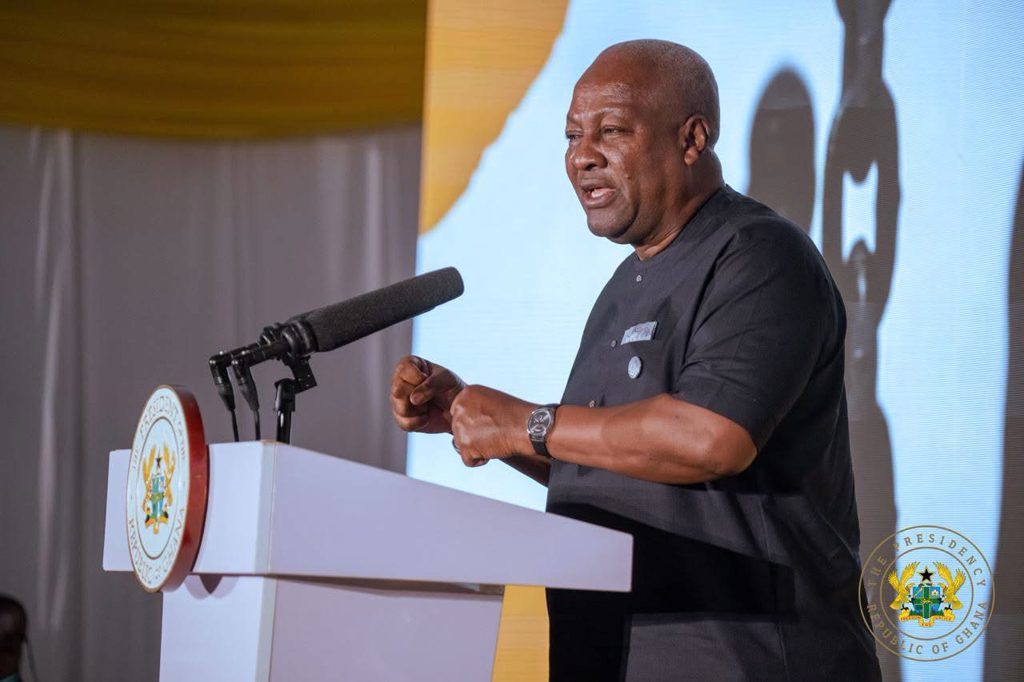
President John Dramani Mahama has officially signed the Ghana Investment Promotion Authority (GIPA) Bill into law, marking the most comprehensive overhaul of the country’s investment regime in more than a decade.
The new legislation — formally cited as the Ghana Investment Promotion Authority Act, 2026 (Act 1173) — repeals and replaces the decade-old Ghana Investment Promotion Centre (GIPC) Act, 2013 (Act 865). The Act transforms the GIPC into the Ghana Investment Promotion Authority (GIPA), a body corporate with a broader mandate and enhanced enforcement powers.
Parliament had initially passed the bill on April 2, 2026, during the 31st Sitting of the 1st Meeting of the 2nd Session of the 9th Parliament of the 4th Republic. The President’s assent, which came in mid-July, brings into force a suite of reforms designed to improve the ease of doing business, strengthen investor protection, and align Ghana’s investment regime with regional and international standards, including the African Continental Free Trade Area (AfCFTA).
Removing Barriers to Entry
Perhaps the most significant reform is the removal of blanket minimum capital requirements for wholly foreign-owned enterprises and joint ventures with Ghanaian partners.
Under the old GIPC Act, foreign investors faced a tiered structure: US500,000 for wholly foreign-owned enterprises, and US$1 million for trading companies. These thresholds had long been criticised as barriers to investment, particularly deterring diaspora Ghanaians and African investors whose capital fell below the required amounts. Some investors who could not meet the requirements resorted to using Ghanaian business counterparts as “fronts” to operate in the country — a practice the new law explicitly prohibits with administrative penalties ranging from GHS 60,000 to GHS 120,000.
For trading enterprises, a reduced threshold of US$500,000 in cash equity remains, along with a requirement that at least 75% of the workforce comprises skilled Ghanaians — a departure from the old law’s rigid requirement of 20 skilled Ghanaian employees.
Broader Mandate, Stronger Powers
The new Act designates GIPA as Ghana’s national focal institution for implementing the AfCFTA Protocol on Investment, reinforcing the country’s position as a strategic gateway to the continent’s market of over 1.4 billion people. The Authority’s mandate has been expanded beyond attracting and facilitating investment to include promoting outward investment by Ghanaian businesses seeking to expand into regional and global markets.
Other key reforms introduced by Act 1173 include:
· A statutory Investor Grievance Mechanism, allowing enterprises to submit complaints regarding administrative decisions or actions of government institutions within six months of an incident.
· A One-Stop Shop for investor services, streamlining the process of establishing and operating businesses in Ghana.
· Expanded expatriate quota thresholds, ranging from two persons for enterprises with paid-up capital between US500,000, up to a maximum of 12 persons for enterprises with capital exceeding US$10 million — a substantial increase from the previous cap of four persons.
· Annual renewal of registration for all registered enterprises, replacing the previous biennial renewal requirement.
· Provisions for citizenship by investment, with the framework and details to be provided by subsequent legislation.
A Defining Moment for Ghana’s Economy
Simon Madjie, Chief Executive Officer of GIPA, described the enactment as a defining moment in the country’s economic development.
“The Authority we are building today is designed to respond to investors with the speed, transparency and consistency that global capital demands, while ensuring that the benefits of investment are shared broadly across Ghanaian communities,” he said.
Madjie added that the transition from a Centre to an Authority significantly enhances Ghana’s capacity to support investors from initial engagement through expansion and reinvestment.
A statement issued by the Presidency said the legislation would reposition Ghana as a top investment destination in Africa and beyond, with streamlined processes that cut red tape and make it easier for investors to establish and operate businesses.
Implementation and Transition
With Act 1173 now in force, all existing GIPC-registered enterprises are expected to comply with the new requirements, including the annual registration renewal regime. GIPA has indicated it will issue administrative guidelines to ensure a smooth transition.
Prospective investors have been urged to monitor GIPA’s official website, social media channels, and the Business Regulatory and Reforms (BRR) Portal for implementation guidelines and further notices.
The reforms are expected to return an estimated 3.7 billion Ghana cedis to the economy. By lowering entry barriers, Ghana is betting on volume — more investors, more partnerships, and more small and medium-sized enterprise development.
订阅 AfroAsia Media 新闻简报
每日非洲与亚洲要闻,直接发送到您的邮箱。




评论
0 条评论
加载中…