
我们正在将本文翻译成中文,译文稍后将显示在此处。目前先显示英文原文。
Ghana-U.S. extradition pact: A 90-year-old colonial treaty still shaping justice
When the United States and Great Britain signed an extradition treaty in London on December 22, 1931, the Gold Coast was still a British colony. Few could have predicted that this agreement would outlast the British Empire itself—and continue to bind the independent nation of Ghana to the United States nearly a century later. The…
发布于 阅读约 4 分钟
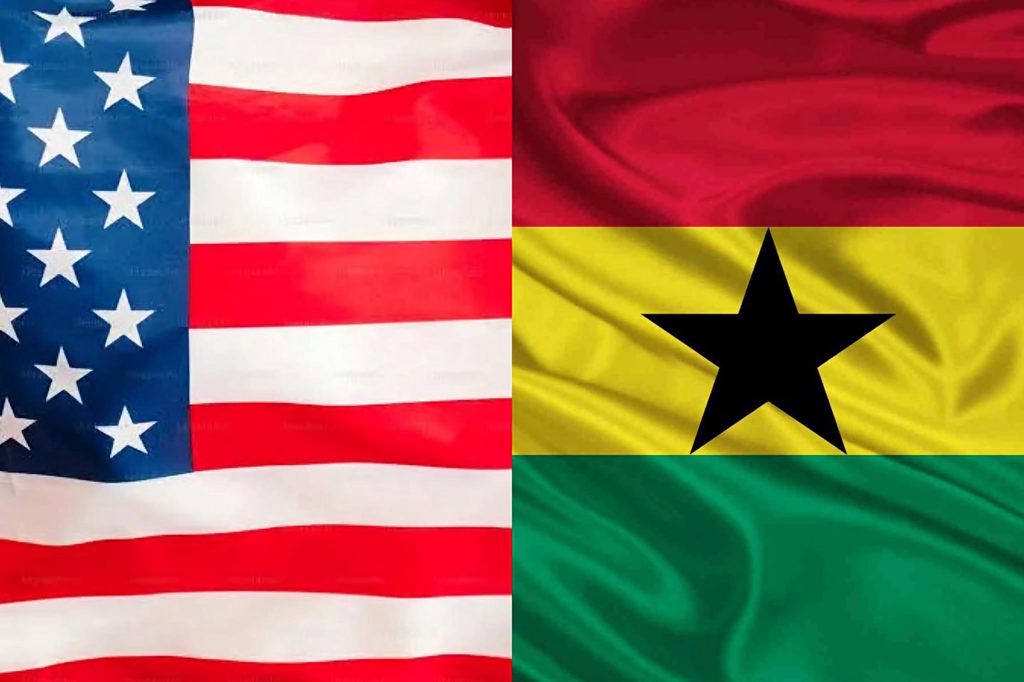
When the United States and Great Britain signed an extradition treaty in London on December 22, 1931, the Gold Coast was still a British colony. Few could have predicted that this agreement would outlast the British Empire itself—and continue to bind the independent nation of Ghana to the United States nearly a century later.
The treaty was extended to the Gold Coast on June 24, 1935, and following Ghana’s independence in 1957, the legal question of whether the agreement remained valid was settled through an exchange of diplomatic notes between Accra and Washington in 1957–1958, confirming its continued force. Ghana’s Extradition Act of 1960 (Act 22) was subsequently enacted to formalize procedures for surrendering fugitive criminals.
Supreme Court Affirms Treaty’s Validity
Lingering questions about the treaty’s legal standing were put to rest in a landmark unanimous ruling by Ghana’s Supreme Court in 2024 (Reference No. J6/01/2024). The court held that Ghana automatically succeeded to the treaty upon independence, noting that it forms part of the country’s existing laws under Article 11 of the 1992 Constitution.
The seven-member panel further affirmed that trial magistrates in Ghana have jurisdiction to hear and determine extradition requests.
How the Treaty Works
Under the agreement, both nations may request the extradition of individuals wanted for serious criminal offenses. However, as Attorney General Dr. Dominic Ayine recently clarified, extradition is not automatic. Legal standards must be met, including:
· Sufficient evidence to support a reasonable conclusion that a crime has been committed
· Assurance that the accused will be fairly treated
· Dual criminality—the alleged acts must be punishable in both countries
High-Profile Cases Under the 1931 Framework
The treaty has been invoked in numerous cases over the decades. In 2011, Richard Konadu was extradited to the United States to face murder charges for the shooting death of his wife in New Jersey—a case that the FBI described as involving “a lot of sweat equity” across international law enforcement agencies.
More recently, in July 2026, social media influencer Frederick Kumi—known as Abu Trica—was extradited to the U.S. to face charges of conspiracy to commit wire fraud and money laundering. Prosecutors allege he ran an $8 million romance scam targeting elderly Americans using AI-generated fake identities. His extradition was carried out despite his lawyers’ objections that the charges were not extraditable offenses under the 1931 treaty.
That same month, Joseph Kwadwo Badu Boateng—known as “Dada Joe Remix”—pleaded guilty in a U.S. court to romance and inheritance schemes targeting the elderly.
Legal Challenges: A Treaty Out of Time?
Critics argue the 1931 treaty is increasingly ill-suited for modern crimes. The treaty’s Article 3 enumerates twenty-seven categories of extraditable offenses—but neither wire fraud nor money laundering appears on that list. As defense lawyers have pointed out, wire fraud is a uniquely American statutory creation from 1952, while money laundering was first criminalized in 1986—more than half a century after the treaty was signed.
The treaty’s conspiracy provisions are also narrow, applying only to specific categories such as murder and revolt on the high seas. Lawyers have argued that Ghana cannot unilaterally expand the treaty’s scope through domestic legislation.
Despite these challenges, the Supreme Court has affirmed the treaty’s validity, and extradition proceedings continue.
A One-Way Street?
The question of reciprocity has become increasingly sensitive. While Ghana has assisted the United States in several extraditions, Ghanaian authorities continue to face challenges in securing the return of former Finance Minister Ken Ofori-Atta from the U.S.. Ofori-Atta faces a 78-count indictment from Ghana’s Office of the Special Prosecutor relating to alleged corruption and procurement offenses.
Attorney General Ayine has publicly expressed frustration, stating: “I would have been very happy to hand over Abu Trica, as I have done, and then get Ofori-Atta quickly in return”.
What Lies Ahead
As Ghana approaches the treaty’s centenary in 2031, questions linger about whether the agreement—drafted in an era of colonial empires and telegrams—can adequately serve justice in an age of cybercrime and global financial networks. For now, the 1931 treaty remains the governing framework, a colonial-era relic that continues to shape the fate of fugitives on both sides of the Atlantic.
订阅 AfroAsia Media 新闻简报
每日非洲与亚洲要闻,直接发送到您的邮箱。




评论
0 条评论
加载中…