
本文暂无中文版本,现显示英文原文。
Ghana records historic trade surplus as exports outpace imports for the first time in two decades
Ghana has achieved a landmark economic turnaround, with merchandise exports surpassing imports for the first time in nearly two decades, according to a comprehensive report released by the Ghana Statistical Service (GSS). The shift marks a decisive break from a prolonged era of trade deficits that have historically weighed on the country’s balance of payments.…
发布于 阅读约 3 分钟
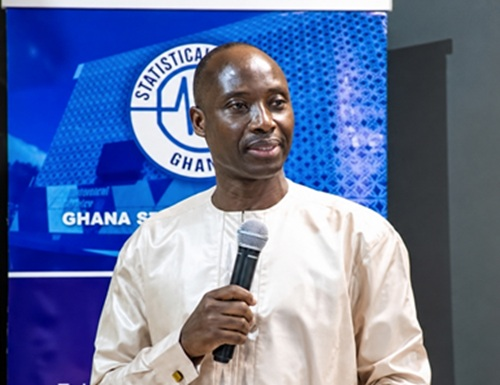
Ghana has achieved a landmark economic turnaround, with merchandise exports surpassing imports for the first time in nearly two decades, according to a comprehensive report released by the Ghana Statistical Service (GSS). The shift marks a decisive break from a prolonged era of trade deficits that have historically weighed on the country’s balance of payments.
The report, titled “Ghana’s Merchandise Trade Statistics 2004/25: Two Decades in Review,” reveals a dramatic restructuring of the nation’s trade profile. In 2025, exports accounted for 61.3 per cent of total trade, a sharp reversal from the 32.1 per cent share recorded in 2004. Conversely, imports, which dominated the trade landscape at 67.9 per cent two decades ago, have fallen to 38.7 per cent.
Presenting the findings, Government Statistician Dr. Alhassan Iddrisu noted that the country has only achieved a positive trade balance in seven out of the 21 years under review. “A turning point came in 2023, when Ghana returned to a trade surplus and has remained in positive territory since then,” Dr. Iddrisu stated.
The data underscores a rapid acceleration in the surplus. Ghana recorded a trade surplus of GHS 5.3 billion in 2023, which climbed to GHS 44.7 billion in 2024 and surged to a record GHS 148.3 billion in 2025. In US dollar terms, total merchandise exports skyrocketed from US32 billion in 2025, while imports grew at a much slower pace, rising from US20.5 billion over the same period. Overall trade volume more than octupled, expanding from US52.5 billion in 2025.
Dr. Iddrisu emphasised that the sustained surplus has reinforced the country’s macroeconomic stability. “The improvement in Ghana’s trade balance has strengthened the country’s position in international trade and helped increase foreign exchange earnings,” he said, noting that the development provides a critical buffer against external shocks and reduces pressure on the cedi.
However, the report cautions that the surplus is heavily skewed toward a single commodity. Gold remains Ghana’s undisputed export leader, accounting for a dominant 63.1 per cent of total exports in 2025. While the commodity’s strong global price performance in the 2024/2025 fiscal year has driven revenue, the concentration leaves the economy vulnerable to price volatility.
To safeguard these hard-won gains, Dr. Iddrisu warned that the current trajectory is insufficient. “Sustaining the gains will require broader export diversification and increased value addition to local products,” he said.
The GSS report offers a clear policy roadmap, recommending greater investment in processing industries to transform raw materials into finished goods before export. It also calls for enhanced support for non-traditional exports—including shea butter, cashew nuts, and processed cocoa products—as well as targeted measures to improve the participation of small and medium enterprises (SMEs) in the global export supply chain.
Historically, Ghana’s chronic trade deficits were fuelled by heavy import dependency on refined petroleum, machinery, vehicles, and processed foods. The turnaround since 2023 coincides with improved domestic refining capacity and stable mining output, yet structural bottlenecks—such as high logistics costs and reliance on imported intermediate goods for manufacturing—persist.
As the nation celebrates this economic inflection point, the report serves as both a validation of recent policy shifts and a cautionary blueprint. The surplus may be historic, but for it to transcend a transient commodity-driven windfall, Ghana must shift decisively from extraction to industrialisation—ensuring that the country sells the world more than just its gold.
订阅 AfroAsia Media 新闻简报
每日非洲与亚洲要闻,直接发送到您的邮箱。




评论
0 条评论
加载中…