
我们正在将本文翻译成中文,译文稍后将显示在此处。目前先显示英文原文。
Ghana holds over five weeks of fuel reserves as NPa reassures public amid Middle East turmoil
– The National Petroleum Authority (NPA) has moved to allay public anxieties over potential fuel shortages and price shocks, confirming that Ghana currently maintains a robust stockpile of over five weeks’ worth of petrol and diesel. The assurance comes as geopolitical tensions in the Middle East—home to some of the world’s largest oil producers—threaten global…
发布于 阅读约 3 分钟
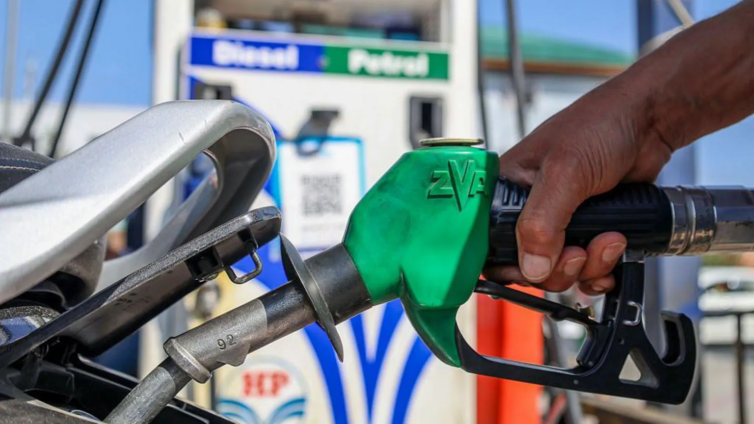
– The National Petroleum Authority (NPA) has moved to allay public anxieties over potential fuel shortages and price shocks, confirming that Ghana currently maintains a robust stockpile of over five weeks’ worth of petrol and diesel. The assurance comes as geopolitical tensions in the Middle East—home to some of the world’s largest oil producers—threaten global supply chains and drive volatility in international crude markets.
Speaking on JoyNews’ PM Express Business Edition on Thursday, NPA’s Director of Economic Regulation and Planning, Abass Tasunti, stressed that the regulator’s paramount concern is product availability, not merely pump prices. “If fuel were not available, people would not be worried about the price—they would be worried about getting the product at all,” he said. “The chaos and economic paralysis that would follow a shortage is exactly what we are structured to prevent.”
Tasunti revealed that Ghana’s current combined average stock for both petrol and diesel stands at “a little over five weeks.” He emphasized, however, that this figure is not static. “Whenever we quote five weeks, it does not mean we are drawing down without replenishment. Vessels are discharging products as we speak, and our import line-up programme ensures continuous inflows.”
Domestic Refining Adds Buffer
Beyond imports, Tasunti highlighted the role of local refining capacity as a critical stabiliser. He confirmed that the Tema Oil Refinery (TOR) has been operating consistently since July 2025 without interruption. “We have the refinery refining consistently, and that production adds directly to our national stocks,” he noted, describing domestic output as a hedge against external supply shocks.
The NPA’s reassurance follows the government’s recent decision to implement a ¢2-per-litre cushioning subsidy on diesel—a move prompted by successive increases in ex-pump prices. That intervention, while welcome to consumers, has underscored the vulnerability of Ghana’s fuel pricing to foreign market movements. With the Middle East crisis showing no signs of de-escalation, the NPA’s stock update is seen as a bid to prevent panic buying and hoarding among commercial transporters and industrial users.
Strategic Planning Amid Global Uncertainty
Tasunti detailed a multi-layered supply strategy: a pre-planned import schedule, real-time discharge logistics, and domestic refining. The authority, he said, continuously balances these sources to maintain what it calls “adequate stock” at all times. “We never have idle time at our discharge facilities,” he explained. “Almost every day, new products are added to what we already hold.”
Industry analysts view the five-week reserve as a healthy buffer by regional standards. However, they caution that prolonged Middle East hostilities—particularly if they disrupt the Strait of Hormuz or key shipping lanes—could still exert upward pressure on global crude prices, eventually filtering into Ghanaian retail costs despite the stock cushion.
Background on the Crisis
The current alert stems from an escalation in the Persian Gulf region, involving renewed military activity and diplomatic standoffs that have raised fears of supply interruptions. Major oil producers including Saudi Arabia, Iran, and the UAE are all within the potential conflict zone, and any significant disruption could knock millions of barrels off daily global output. For net-importing nations like Ghana, even a temporary spike in crude benchmarks tends to translate directly into higher landing costs for refined products.
The NPA’s statement, delivered just days after the subsidy announcement, signals a coordinated government effort to stabilise both supply and sentiment. While the authority did not rule out future price adjustments, it insists that the physical availability of fuel is not in question. “Our topmost priority is to ensure that the pump never runs dry,” Tasunti concluded. “With our current reserves, continuous imports, and local refining, we are well-positioned to weather this storm.”
订阅 AfroAsia Media 新闻简报
每日非洲与亚洲要闻,直接发送到您的邮箱。




评论
0 条评论
加载中…