
我们正在将本文翻译成中文,译文稍后将显示在此处。目前先显示英文原文。
France plumb new defensive depths with unwanted World Cup records
The French national team has stumbled into a statistical nightmare at the 2026 World Cup, equalling a desperate low not seen since the infamous 2010 campaign while simultaneously setting an unprecedented new record for early-game frailty. For the first time since Raymond Domenech’s tumultuous tenure in South Africa 16 years ago, Les Bleus have conceded…
发布于 阅读约 2 分钟
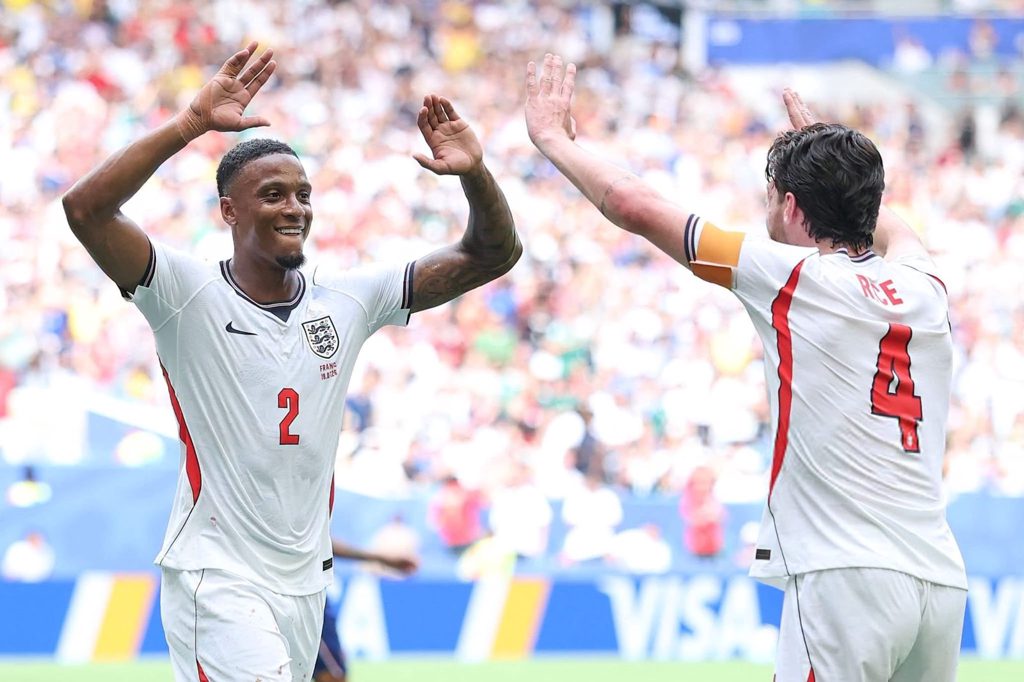
The French national team has stumbled into a statistical nightmare at the 2026 World Cup, equalling a desperate low not seen since the infamous 2010 campaign while simultaneously setting an unprecedented new record for early-game frailty.
For the first time since Raymond Domenech’s tumultuous tenure in South Africa 16 years ago, Les Bleus have conceded two or more goals in consecutive World Cup matches. Even more shocking, they have made unwanted history by shipping two goals within the opening 20 minutes of a single fixture—a first in the tournament’s 96-year existence.
A Echo of 2010’s Collapse
The last time France endured back-to-back matches conceding multiple goals was during their group-stage disaster in 2010, where they lost 2-0 to Mexico and 2-1 to South Africa, crashing out in ignominy amid internal mutiny. This year’s side, boasting a squad packed with world-class talent, has seemingly replicated that porous vulnerability. Over their last two outings—spanning the knockout rounds—they have repeatedly failed to hold firm, shipping a combined five goals across the two fixtures.
A 20-Minute Crisis
The early double-blow in their latest match is an alarming tournament first. Never before in World Cup history had France conceded twice inside the first quarter-hour. The rapid-fire strikes not only exposed glaring lapses in concentration from Didier Deschamps’ backline—leaving defenders scrambling and goalkeeper Mike Maignan helpless—but also forced Les Bleus into an immediate, high-risk chase for an equalizer.
Mounting Pressure on the Stalwarts
The defensive fragility stands in stark contrast to the pre-tournament hype surrounding France’s defensive depth. With the likes of William Saliba, Dayot Upamecano, and Theo Hernandez forming what was supposed to be a formidable rearguard, the recurring breakdowns have raised serious questions about their tactical discipline and communication under knockout-stage pressure.
While their attacking unit remains lethal, the stats paint a grim reality: toppling the world’s elite becomes exponentially difficult when you gift the opposition a two-goal head start before the first drink break. For Deschamps, a manager accustomed to tournament mastery, fixing this sudden defensive rot has become an urgent, defining challenge—otherwise, this 2026 campaign risks being remembered not for glory, but for history of the wrong kind.
订阅 AfroAsia Media 新闻简报
每日非洲与亚洲要闻,直接发送到您的邮箱。




评论
0 条评论
加载中…