
我们正在将本文翻译成中文,译文稍后将显示在此处。目前先显示英文原文。
FIFA set to earn over $13bn from 2026 World Cup cycle
FIFA is on course to generate more than $13 billion in revenue across the 2023-2026 commercial cycle, making the 2026 World Cup the most lucrative tournament in football history. The figure represents a sharp increase from the $7.57 billion earned during the previous cycle that culminated in the Qatar 2022 World Cup. The 2022 tournament…
发布于 阅读约 3 分钟
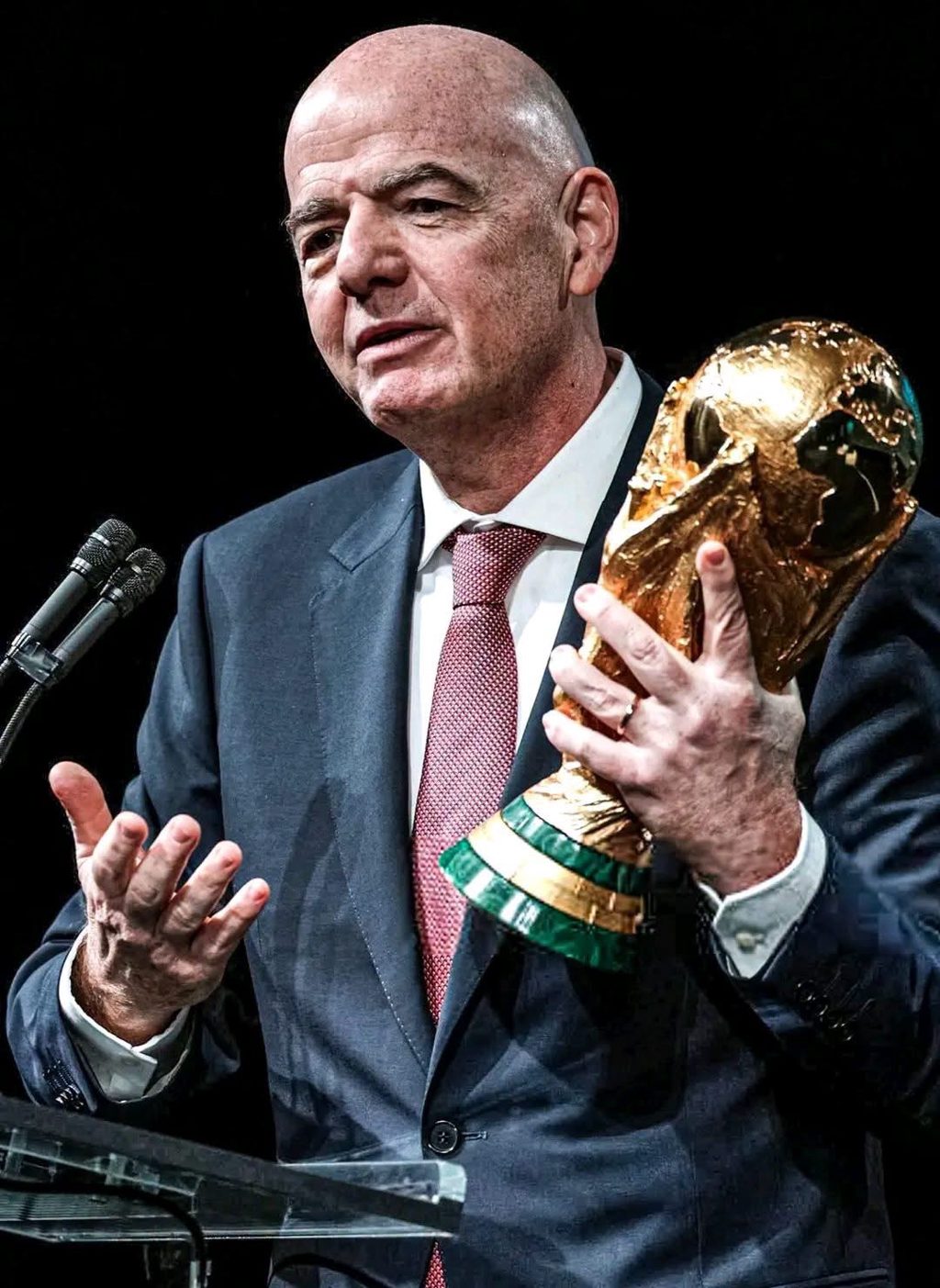
FIFA is on course to generate more than $13 billion in revenue across the 2023-2026 commercial cycle, making the 2026 World Cup the most lucrative tournament in football history.
The figure represents a sharp increase from the $7.57 billion earned during the previous cycle that culminated in the Qatar 2022 World Cup. The 2022 tournament had itself set a record at the time, generating $7.5 billion — $1 billion more than the Russia 2018 World Cup.
The projected $13 billion cycle revenue has already surpassed FIFA’s initial $11 billion forecast. Of this amount, nearly $9 billion is expected to come directly from the hosting of the 2026 World Cup itself.
Broadcasting rights remain king
The largest revenue contributor remains television and media rights, expected to account for roughly 44 per cent of tournament-year revenue, generating close to $3.9 billion. The expansion of the World Cup from 32 to 48 teams has played a significant role, with the tournament now featuring 104 matches instead of 64, creating more inventory for broadcasters and advertisers around the world.
Tickets and hospitality prove a goldmine
Ticket sales and hospitality packages represent the second-biggest revenue stream, with FIFA expecting to generate around $3 billion from this category alone. The tournament is being staged in some of North America’s largest stadiums, many of them home to NFL teams, allowing FIFA to sell more seats than ever before.
The organisation has also embraced dynamic pricing for the first time, a system commonly used by airlines and concert promoters, where ticket prices rise and fall based on demand. Group stage tickets sold for as high as $575 — more than double the price of group stage tickets during the 2022 tournament in Qatar, which sold for $220 at maximum. Tickets for the final at New Jersey’s MetLife Stadium were officially offered at $32,970, while some resale tickets have been listed for more than $2 million.
Sponsors continue to pay premium prices
Commercial partnerships remain another crucial pillar of FIFA’s business model. Global brands are expected to contribute around $1.8 billion through sponsorship and marketing agreements.
Where the money goes
FIFA is registered as a non-profit body in Switzerland and does not operate with the goal of distributing profits to shareholders. According to FIFA’s plans, around 90 per cent of revenue generated during the cycle will be redistributed or reinvested into football. The spending broadly falls into three categories: running tournaments, rewarding participating teams, and funding football development around the world.
Expansion to 64 teams under consideration
FIFA President Gianni Infantino has confirmed that the organisation is considering expanding the 2030 World Cup to 64 teams.
An official proposal to boost the 2030 tournament to 64 teams was put forward by South American governing body CONMEBOL in April 2025, but no decision has been reached. The 2030 edition will be mainly co-hosted by Spain, Portugal and Morocco, with the three opening matches hosted by Argentina, Uruguay and Paraguay to celebrate the centenary of the competition.
Infantino has argued that the success of the expanded 48-team tournament means FIFA should look at how a 64-team World Cup could work. “When organising a World Cup, it’s important to organise it for the whole world — not just Europe and South America, but effectively the entire world. Every nation should be allowed to dream of participating in the World Cup,” he told Swiss broadcaster Blue Sport.
However, the proposal has faced opposition. UEFA President Aleksander Ceferin has dismissed it as a “bad idea” for both the tournament and the qualifying process. Asian Football Confederation President Sheikh Salman bin Ibrahim Al Khalifa agreed, saying further expansion would bring “chaos”, while CONCACAF President Victor Montagliani said the suggestion “doesn’t feel right” and would damage “the broader football ecosystem”.
The FIFA Council would make the ultimate decision, but there are no signs it is something expected to happen imminently.
订阅 AfroAsia Media 新闻简报
每日非洲与亚洲要闻,直接发送到您的邮箱。




评论
0 条评论
加载中…