
我们正在将本文翻译成中文,译文稍后将显示在此处。目前先显示英文原文。
BoG to inject up to $1 billion in August as cedi faces fresh dollar demand pressure
The Bank of Ghana (BoG) is preparing to inject up to $1 billion into the foreign exchange market this August through its Forex Intermediation Programme, as the cedi comes under renewed pressure from surging dollar demand, JoyBusiness has learned. The planned auctions, scheduled to occur every two weeks and open to all licensed commercial banks,…
发布于 阅读约 4 分钟
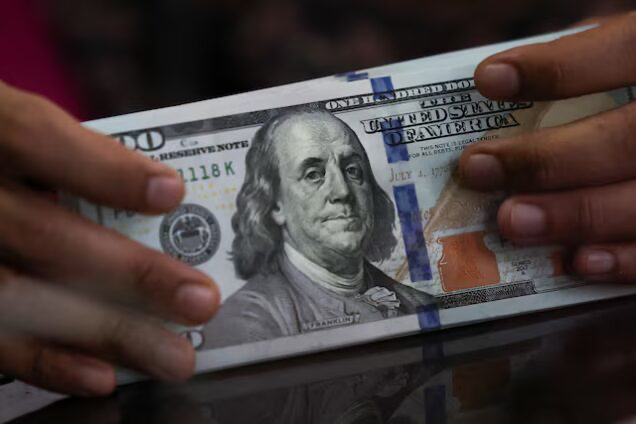
The Bank of Ghana (BoG) is preparing to inject up to $1 billion into the foreign exchange market this August through its Forex Intermediation Programme, as the cedi comes under renewed pressure from surging dollar demand, JoyBusiness has learned.
The planned auctions, scheduled to occur every two weeks and open to all licensed commercial banks, will be conducted under the central bank’s Foreign Exchange Operations Framework. The BoG has informed market participants that the move is intended to operationalise the framework and support its broader reserve accumulation objectives, particularly through activities linked to the Domestic Gold Purchase Programme.
Fresh Pressure on the Cedi
The intervention comes as the Ghanaian currency experiences fresh depreciation pressures, with foreign exchange demand currently outstripping supply in key segments of the market. Data gathered from commercial banks indicate that businesses are demanding more dollars than the market can readily provide, driving up the cost of the greenback.
Market participants attribute the pressure to two primary factors: increased foreign exchange needs from energy sector players financing crude oil imports and finished petroleum products, and payment obligations to independent power producers. Others point to a structural limited supply of dollars relative to business demand, exacerbated by seasonal factors.
The cedi has cumulatively depreciated by 10.61% as of the end of July 2026, according to BoG data. While the central bank insists this is within manageable bounds, the fresh pressure has reignited concerns among importers and businesses reliant on foreign inputs.
Reserves Decline but BoG Urges Calm
Recent Bank of Ghana data show that the country’s international reserves have declined to just over $12 billion—a level that, while still adequate for import cover, represents a drawdown from previous peaks. Nevertheless, the central bank has urged businesses not to panic, describing the recent pressure as temporary market movements rather than a systemic crisis.
“The Bank remains capable of supporting the market when necessary and ensuring that critical imports are not affected,” an official reiterated, signalling confidence in the central bank’s ability to defend the cedi.
Context of the Forex Intermediation Programme
The August auction follows a series of similar interventions that have become a key feature of the BoG’s market management strategy. The programme, which began in its revised form in September 2025, has seen the central bank consistently sell dollars to ease volatility.
· September 2025: Initial $1.1 billion auction.
· October 2025: Increased to $1.3 billion.
· November 2025: $1 billion target, fully sold.
· December 2025: Reduced to $800 million.
· June 2026: $2.01 billion injected, with $1.2 billion through the Forex Intermediation Programme. Commercial banks submitted bids totalling $3.42 billion, reflecting intense demand.
· July 2026: Amount reduced to $1 billion.
Market watchers have credited the programme with the cedi’s relatively strong performance in 2025, though persistent demand continues to test the central bank’s reserves.
Operational Details
The BoG has emphasised that the auctions will be conducted in a “market neutral manner” on a spot basis, with twice-weekly open sales accessible to all licensed banks. The central bank has also committed to transparency, pledging to disclose relevant information on its foreign exchange operations, including activities under the Intermediation Programme.
Significantly, the BoG has clarified that there was no direct market intervention in July 2026—meaning the August injection represents a deliberate, pre-planned liquidity boost rather than a reactive measure.
Market Implications
Economists and financial analysts view the $1 billion injection as a critical test of the BoG’s ability to stabilise the cedi without depleting reserves excessively. With average daily interbank trading volume standing at $22.64 million in July (total monthly volume of $498 million), the August auction represents a substantial liquidity infusion relative to normal trading activity.
However, some analysts caution that repeated large-scale interventions may not address the underlying structural imbalance between supply and demand. They argue that sustained appreciation of the cedi will require broader measures, including boosting export earnings, curbing import demand, and attracting stable foreign direct investment.
For now, the central bank appears determined to use its tools aggressively to maintain order in the foreign exchange market, even as it balances the competing priorities of reserve preservation and currency stability. The outcome of the August auctions will be closely watched by businesses, investors, and policymakers alike.
订阅 AfroAsia Media 新闻简报
每日非洲与亚洲要闻,直接发送到您的邮箱。




评论
0 条评论
加载中…