
Nous traduisons cet article en français — la traduction s'affichera ici dans un instant. En attendant, voici la version originale en anglais.
Wenger admits World Cup hydration breaks unpopular, vows FIFA post-tournament review
Arsène Wenger has conceded that the controversial mandatory hydration breaks introduced at the 2026 World Cup have not been well received by fans, pledging that Fifa will conduct a thorough review of their impact once the tournament concludes. The three-minute stoppages, implemented across all stadiums in the US, Mexico, and Canada regardless of climate conditions,…
Publié le 2 min de lecture
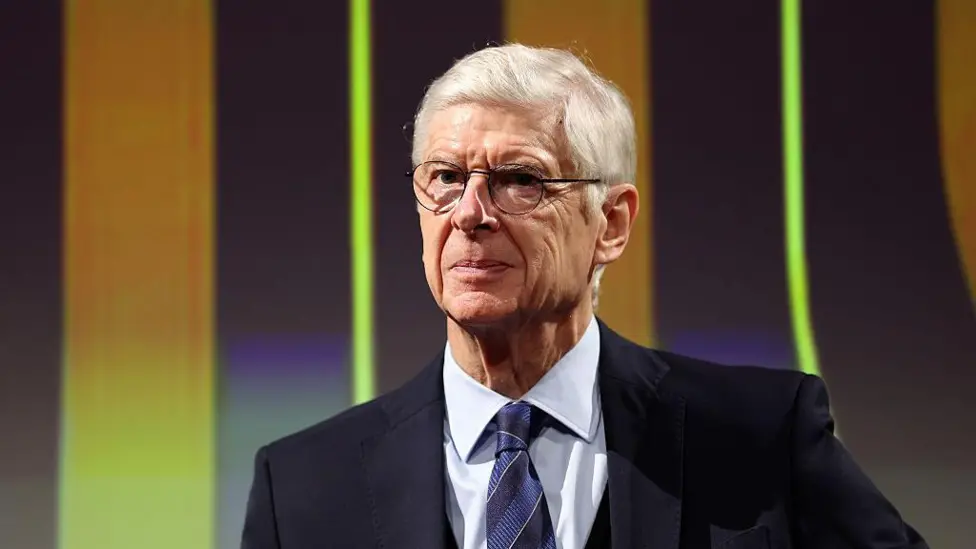
Arsène Wenger has conceded that the controversial mandatory hydration breaks introduced at the 2026 World Cup have not been well received by fans, pledging that Fifa will conduct a thorough review of their impact once the tournament concludes.
The three-minute stoppages, implemented across all stadiums in the US, Mexico, and Canada regardless of climate conditions, were initially framed as a commitment to player welfare. However, they have drawn significant criticism, with broadcasters capitalizing on the gaps to air high-priced commercials (costing between $200,000 and $750,000 for a 30-second slot on Fox Sports) and fans repeatedly booing the interruptions.
“Sometimes people didn’t like [it],” said Wenger, Fifa’s head of global football development. “It didn’t look to me that it changed the results, but we are here to serve people that watch football and we will come to conclusions afterwards.” He noted that even in covered stadiums, the stoppages were met with frustration.
The breaks have effectively served as tactical timeouts, allowing coaches to confer with players. While Spain boss Luis de la Fuente voiced support, citing the “health of my players,” England manager Thomas Tuchel was firmly against them, arguing they “interrupt and change the identity of a football match.”
Looking beyond the breaks, Wenger also defended Fifa’s decision to expand the World Cup to 48 teams. “It was questioned before it started, but we found it was ethically needed to give a chance to more teams. I am convinced it was the right decision and it was a great success,” he stated. The future of the hydration breaks now rests on Fifa’s upcoming post-tournament analysis.
Recevez la newsletter d'AfroAsia Media
Les principales actualités du jour en Afrique et en Asie, directement dans votre boîte mail.




Commentaires
0 commentaire
Chargement…