
Nous traduisons cet article en français — la traduction s'affichera ici dans un instant. En attendant, voici la version originale en anglais.
SSNIT summons Kpandai Hospital Management to court over unpaid pension contributions
The Social Security and National Insurance Trust (SSNIT) has issued a criminal summons to the management of Kpandai District Hospital for allegedly failing to pay pension contributions for casual workers, a violation of the National Pensions Act of 2008 (Act 766). The summons, which compels the Medical Superintendent, the Head of Accounts and Finance, and…
Publié le 2 min de lecture
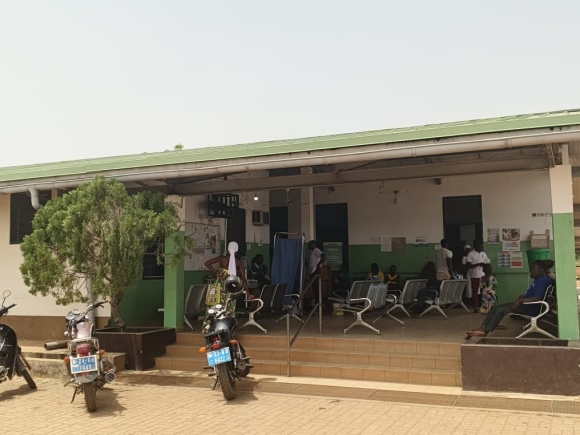
The Social Security and National Insurance Trust (SSNIT) has issued a criminal summons to the management of Kpandai District Hospital for allegedly failing to pay pension contributions for casual workers, a violation of the National Pensions Act of 2008 (Act 766).
The summons, which compels the Medical Superintendent, the Head of Accounts and Finance, and the Human Resources Manager to appear before the Kpandai District Court, cites non-payment of contributions covering the period from July 2025 to February 2026.
According to court documents, SSNIT states that as of February 2026, the hospital management had failed to remit workers’ Social Security contributions totalling GH¢10,386.80, an act the Trust describes as an offence under Ghanaian law. The management is accused of flouting sections 3, 63, 64(1), and 83(1)(d) of Act 766.
Hospital responds, cites financial distress
In a sharp rebuttal, the Medical Superintendent of the hospital, Dr. Abdul-Aziz Hudu, has petitioned SSNIT’s Northern Regional Office, describing the summons as “needless,” “very disturbing,” and an act of harassment.
Dr. Hudu argues that the affected individuals have since been reclassified as “volunteers”—a change he says was formally communicated to SSNIT. He questioned the basis of the demand, noting that some of the workers reportedly put in as little as 30 minutes of work per day, while others are no longer employed at the facility.
“Will it be fair to suggest that you are seeking reparations for ghost workers?” he queried in the petition dated March 30, 2026.
The Medical Superintendent further appealed for restraint, highlighting severe financial and operational challenges at the hospital. He listed a lack of a fully equipped theatre, no anaesthesia machine, inadequate medical supplies, deteriorating infrastructure, and a shortage of vehicles. He added that competition from three private health facilities in the area has significantly reduced the hospital’s internally generated funds.
“If Kpandai Hospital is to function effectively, what we need is a bailout—not a court summons,” Dr. Hudu stated.
He warned that the legal pressure could negatively impact healthcare delivery in the district, stressing that repeated summonses could take a toll on his mental well-being and drive away the only doctor serving the area. Dr. Hudu has urged SSNIT to prioritise dialogue over legal action, given the facility’s financial constraints.
Recevez la newsletter d'AfroAsia Media
Les principales actualités du jour en Afrique et en Asie, directement dans votre boîte mail.




Commentaires
0 commentaire
Chargement…