
Nous traduisons cet article en français — la traduction s'affichera ici dans un instant. En attendant, voici la version originale en anglais.
Mr P sparks outrage: “Who Naija language help?”— Singer says children speak French, Chinese, English, not Igbo
Afrobeats singer and former member of the now-defunct P-Square duo, Peter Okoye — popularly known as Mr P — has ignited a fiery debate across Nigerian social media after declaring that his children have no need for the Igbo language, insisting they are fluent instead in French, Chinese and English. The controversy erupted on Monday,…
Publié le 4 min de lecture
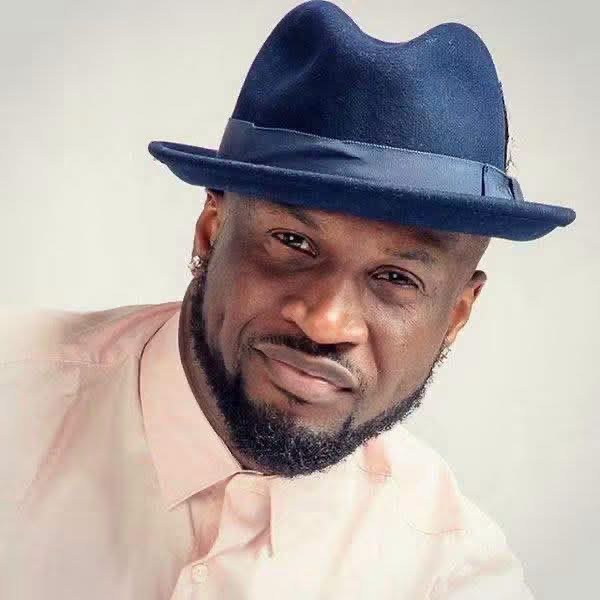
Afrobeats singer and former member of the now-defunct P-Square duo, Peter Okoye — popularly known as Mr P — has ignited a fiery debate across Nigerian social media after declaring that his children have no need for the Igbo language, insisting they are fluent instead in French, Chinese and English.
The controversy erupted on Monday, July 27, 2026, while Okoye was vacationing in Paris with his family. In a post on X (formerly Twitter), the singer expressed admiration for how effortlessly his children spoke French, hinting at the possibility of purchasing a home in the French capital.
“Still in Paris! Watching my kids speak French so effortlessly makes me think… maybe it’s time to own a crib here in Paris. Just a thought,” he wrote.
The post prompted an X user, @sambuddybest, to ask a seemingly straightforward question: “Hope they can speak Igbo, too?”.
Okoye’s response was swift and dismissive. “And who naija language help? Make I hear word abeg,” he replied.
‘Mind Your Business’
As criticism mounted, the singer doubled down on his position, insisting that language choices within families are a private matter.
“When it’s your turn, teach your own kids all the languages in Nigeria if that’s your choice,” he wrote. “As for me and my family, we’re good. Go and find another place to pour your frustration”.
Okoye urged critics to stop interfering in his family’s affairs, posting: “I’ve got just three words for you: MYB — Mind Your Business”.
He further questioned why the public was concerned about the languages spoken by his children. “Again, what exactly do you stand to gain if my children speak Nigerian languages? How does that improve your life?”.
The singer also argued that English remains Nigeria’s official language and questioned the tangible benefits of speaking indigenous languages. “Again and again… who has speaking a Nigerian language helped? The official language of Nigeria is English, yet this is what you’re worried about?”.
In a pointed remark, Okoye accused his critics of hypocrisy, suggesting that many would gladly relocate abroad and raise their children overseas if given the opportunity. “Meanwhile, many of the same people criticizing me would jump at the chance to get foreign citizenship or raise their own children abroad if they had the opportunity”.
Backlash and Accusations of Hypocrisy
The singer’s comments drew widespread criticism, with many Nigerians accusing him of hypocrisy and cultural betrayal.
Critics were quick to point out that Okoye — alongside his twin brother Paul — built his career on Afrobeats music deeply rooted in Nigerian cultural expression, frequently incorporating Igbo and Yoruba phrases into their songs.
Many berated him for making such remarks despite having infused Igbo and other Nigerian languages like Yoruba into most of his songs and profiting from their commercial appeal.
Some social media users defended the singer’s right to choose how his children are reared, while others contended that teaching children indigenous languages contributes to the preservation of cultural history and identity.
A Language Under Threat
The debate has renewed conversations about the declining use of indigenous languages among younger Nigerians, particularly among families living in urban areas and abroad.
For many Igbo people, the language represents far more than a means of communication — it carries the history, culture, traditions, proverbs and identity of the people. Linguists and cultural experts have repeatedly warned that the loss of indigenous languages could lead to the erosion of important aspects of a people’s heritage.
The concerns are not unfounded. UNESCO has classified Igbo — along with several other Nigerian languages — as endangered, warning of possible extinction if current trends continue. Some reports have predicted that the Igbo language could become extinct by 2050 if urgent revival measures are not taken.
In February 2026, the Igbo Women Assembly (IWA) raised the alarm over the declining use of the Igbo language among younger generations, warning that the language risks extinction. “Once we lose our language, we lose our identity. There may be Igbo people, but without the language, the Igbo race will gradually disappear,” the group warned.
The group lamented that approximately 90 per cent of children between the ages of one and 15 neither understand nor speak Igbo.
In response to these concerns, the apex Igbo socio-cultural organisation, Ohanaeze Ndigbo, has called for an emergency revival of the Igbo language, urging families to begin revival efforts from their homes by speaking Igbo to their children. Schools, churches and government institutions have also been urged to promote its use, particularly at foundational levels of education.
A Broader Question
The discussion has raised an important question: as global languages such as English, French and Chinese become increasingly valuable in an interconnected world, should they replace indigenous languages, or should parents strive to preserve both?.
Okoye’s defenders argue that parents should have the freedom to equip their children with languages that offer the greatest global opportunities. His critics counter that abandoning one’s mother tongue represents a loss of cultural heritage that no amount of international fluency can replace.
What do you think? Is it acceptable for Igbo parents to raise children who cannot speak Igbo, or should every Igbo child be taught their mother tongue alongside other international languages?
Recevez la newsletter d'AfroAsia Media
Les principales actualités du jour en Afrique et en Asie, directement dans votre boîte mail.




Commentaires
0 commentaire
Chargement…