
Nous traduisons cet article en français — la traduction s'affichera ici dans un instant. En attendant, voici la version originale en anglais.
Morocco Minister stirs controversy: ‘We are at the World Cup to represent Morocco, not Africa’
On the eve of a blockbuster World Cup quarter-final against France, Morocco’s Sports Minister Mohammad Saad Berrad has ignited a firestorm across the continent with a blunt declaration: the Atlas Lions are flying the flag for Morocco alone – not for Africa. At a press conference on Tuesday, July 8, 2026, Berrad delivered a statement…
Publié le 2 min de lecture
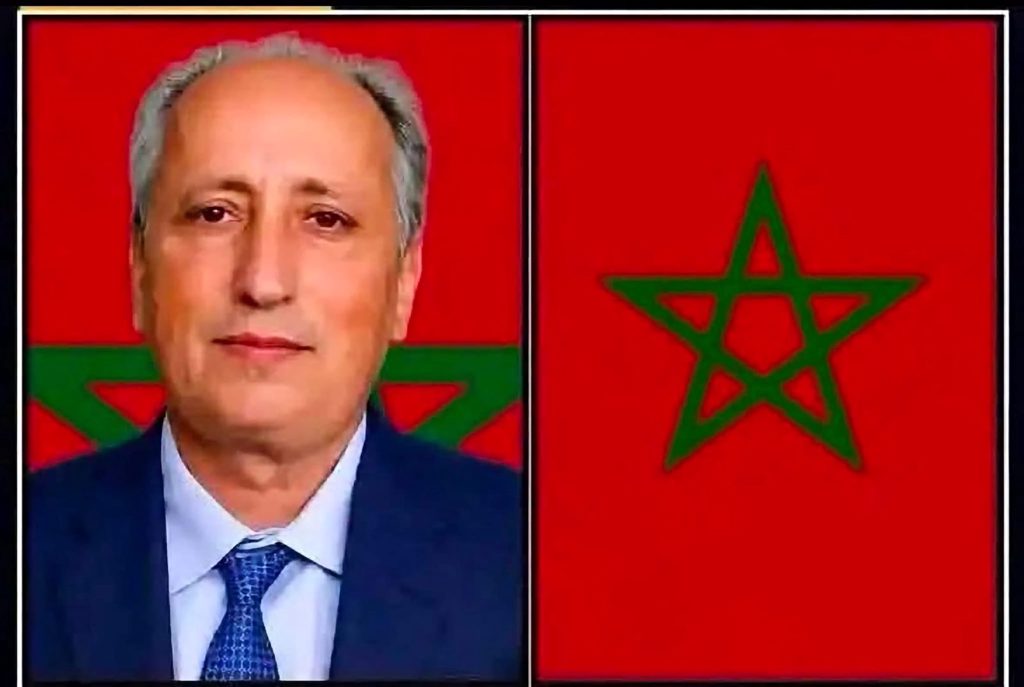
On the eve of a blockbuster World Cup quarter-final against France, Morocco’s Sports Minister Mohammad Saad Berrad has ignited a firestorm across the continent with a blunt declaration: the Atlas Lions are flying the flag for Morocco alone – not for Africa.
At a press conference on Tuesday, July 8, 2026, Berrad delivered a statement that many are calling a rupture with decades of continental solidarity. “Morocco represents Morocco. The Atlas Lions are not the flag-bearers of Africa,” he said. He insisted that the team’s mission is to defend “the colours, the interests, and the identity of Morocco” – not to serve as the continent’s global standard-bearer.
Berrad argued that every nation competing on the world stage bears the primary responsibility of making its own symbols shine. “Every country has a duty to defend its own national interests, honour, and identity whenever it takes part in international competitions,” he stated. In a further provocative remark, he added that Morocco does not need Africa’s support to achieve its sporting objectives.
A Deliberate Rupture with Pan-African Tradition
The timing has intensified the backlash. Millions of Senegalese, Ivorians, Nigerians, and South Africans have thrown their support behind Morocco – a natural reflex in a continent where every victory by an African nation has traditionally been celebrated as a victory for all. Berrad’s words have effectively rejected that narrative.
The minister’s stance taps into a recurring debate about the role of African teams in global tournaments. While one side sees his declaration as a legitimate assertion of national sovereignty and sporting independence, others perceive it as a deliberate distancing from the continental solidarity that has long united African nations against the rest of the world.
The Backdrop: A Nation with Global Ambitions
This declaration fits a broader pattern of Moroccan self-assertion. With a squad powered by 19 players born abroad – many holding dual nationality and choosing Morocco over European nations – the country has positioned itself as a football force that transcends continental labels.
Morocco made history in 2022 as the first African and Arab nation to reach a World Cup semi-final. Now, on the cusp of another deep run, Berrad has made clear that the Atlas Lions seek recognition on their own terms – not as Africa’s representatives, but as Morocco’s champions.
Reactions Pour In
Social media has erupted, with fans and pundits across Africa voicing disappointment and anger. Moroccan supporters, however, have largely rallied behind the minister’s message of national pride. As the debate rages on, one question lingers: at what cost has this line been drawn?
For now, the Atlas Lions march on – not as a continent’s hope, but as a nation’s own.
Recevez la newsletter d'AfroAsia Media
Les principales actualités du jour en Afrique et en Asie, directement dans votre boîte mail.




Commentaires
0 commentaire
Chargement…