
Nous traduisons cet article en français — la traduction s'affichera ici dans un instant. En attendant, voici la version originale en anglais.
Military to lead nationwide flood cleanup; illegal structures on waterways face demolition
The Ghana Armed Forces (GAF) will deploy personnel, engineers, and specialised heavy equipment across the country to clear major drains, streams, rivers, and other critical waterways as part of a comprehensive nationwide post-flood recovery and mitigation exercise. The operation follows devastating floods that struck parts of Ghana on June 28 and 29, 2026, causing widespread…
Publié le 4 min de lecture
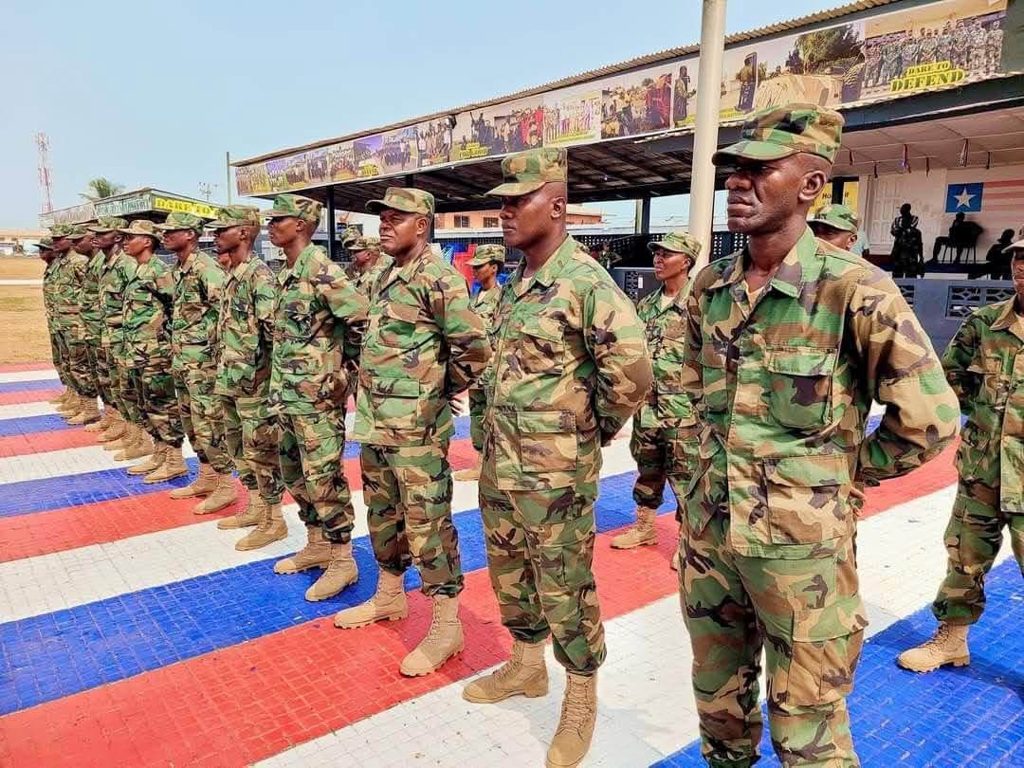
The Ghana Armed Forces (GAF) will deploy personnel, engineers, and specialised heavy equipment across the country to clear major drains, streams, rivers, and other critical waterways as part of a comprehensive nationwide post-flood recovery and mitigation exercise.
The operation follows devastating floods that struck parts of Ghana on June 28 and 29, 2026, causing widespread destruction across the Greater Accra, Volta, and Central regions. According to official government figures, the catastrophic disaster claimed 13 lives, displaced or affected more than 7,000 households, and impacted over 38,000 people.
Military Tasked with Operational Coordination
President John Dramani Mahama has appointed Brigadier General Forster Okae-Yeboah, Director General of Joint Operations at the Ghana Armed Forces, to spearhead an “uncompromising, robust, and all-action Flood Mitigation Exercise”. Briefing the media at the Jubilee House in Accra on Friday, July 3, Brigadier General Okae-Yeboah outlined the scope of the military-led intervention.
“The exercise will involve the deployment of military personnel, engineers, and heavy equipment to clear drains, rivers, streams, and other waterways obstructed by debris, silt, fallen trees, and collapsed structures,” he stated.
The cleanup will focus on removing refuse, mud, fallen trees, abandoned vehicles, collapsed structures, and other debris blocking roads, bridges, drains, and waterways—blockages that have significantly worsened flooding in many communities.
Illegal Structures to Be Removed
In a move that underscores the government’s determination to tackle the root causes of recurrent flooding, authorities have warned that structures illegally erected within waterways and drainage reservations will be demolished where they pose a threat to flood management efforts and public safety.
“In accordance with applicable laws and directives of the appropriate civil authorities, structures illegally erected within waterways or that pose an immediate danger to public safety and flood mitigation efforts may be removed where necessary,” Brigadier General Okae-Yeboah stressed.
“If we have to pull down structures that are obstructing our waterways, we’ll do so,” he affirmed, describing the exercise as one that would proceed decisively.
Multi-Agency Collaboration
The nationwide operation will be carried out in partnership with several government institutions, including the Ministry of Water Resources, Works and Housing, the National Disaster Management Organisation (NADMO), Metropolitan, Municipal and District Assemblies (MMDAs), the Ghana Police Service, the Ghana National Fire Service, the Ghana Health Service, and the Environmental Protection Agency (EPA).
Specialised sub-committees have been established under the national post-flood mitigation task force to ensure effective coordination, including the Early Warning Committee, Sanitation and Health Committee, Relief and Donations Committee, and Emergency Communications Committee.
“This Is Not an Event; It’s a Process”
Brigadier General Okae-Yeboah emphasised that the recovery effort would be sustained over time rather than resolved through a one-off intervention. “This is not an event. It’s a process. It’s going to take some time. Detailed planning is going on,” he said.
The operation will be structured in phases to ensure that drainage systems, waterways, and affected communities are properly restored. Beyond clearing drainage systems, the exercise will restore access to roads and critical infrastructure damaged by the floods while supporting sanitation and public health efforts to prevent outbreaks of diseases such as cholera and typhoid.
Government Commits GH¢350 Million
As an immediate demonstration of commitment to affected communities, President Mahama has committed GH¢350 million to support emergency relief, recovery, and flood mitigation interventions. The President has also directed the Minister of Finance to release GH¢300 million from the Contingency Fund for post-flood relief efforts.
Public Cooperation Urged
Residents in flood-affected communities have been urged to cooperate fully with security personnel and engineering teams. Authorities have warned that some roads may be temporarily closed or diverted while work is ongoing, and the public has been advised to comply with all traffic management and safety instructions.
MMDAs have also been directed to organise cleanup exercises within their respective jurisdictions to support the national operation.
Part of Broader Resilience Strategy
Officials said the cleanup forms part of a broader national flood resilience strategy aimed at improving drainage infrastructure, strengthening early warning systems, enforcing planning and environmental regulations, and enhancing emergency preparedness nationwide.
“The success of this exercise depends on the collective efforts of government, local authorities, the security services, the private sector, civil society organisations, and every citizen,” Brigadier General Okae-Yeboah said. “It is through this shared effort that we will restore our communities, protect lives, and build a cleaner, safer, and more resilient Ghana”.
— Additional reporting by classiccitynews.com
Recevez la newsletter d'AfroAsia Media
Les principales actualités du jour en Afrique et en Asie, directement dans votre boîte mail.




Commentaires
0 commentaire
Chargement…