
Nous traduisons cet article en français — la traduction s'affichera ici dans un instant. En attendant, voici la version originale en anglais.
Journalist Manasseh Azure Awuni challenges majority leader over BoG in camera u-turn: ‘What has changed?’
– Veteran investigative journalist Manasseh Azure Awuni has penned a sharply worded open letter to Majority Leader Mahama Ayariga, accusing him of a glaring reversal on transparency after the Majority Caucus successfully moved to bar media coverage of the Bank of Ghana (BoG) Governor’s appearance before Parliament. The controversy erupted on Wednesday, July 15, when…
Publié le 3 min de lecture
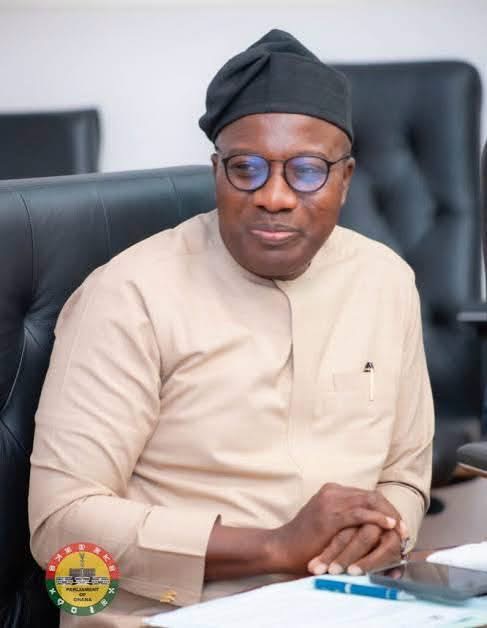
– Veteran investigative journalist Manasseh Azure Awuni has penned a sharply worded open letter to Majority Leader Mahama Ayariga, accusing him of a glaring reversal on transparency after the Majority Caucus successfully moved to bar media coverage of the Bank of Ghana (BoG) Governor’s appearance before Parliament.
The controversy erupted on Wednesday, July 15, when First Deputy Speaker Bernard Ahiafor granted a Majority request to hold the Committee of the Whole sitting with BoG Governor Dr. Johnson Asiama behind closed doors. The Minority walked out in protest, accusing the Majority of shielding the Governor from public scrutiny over the central bank’s foreign exchange operations and the Domestic Gold Purchase Programme (DGPP).
‘What Has Changed?’
Awuni’s letter directly challenges the Bawku Central MP’s credibility. He recalled that during the previous Akufo-Addo administration, Ayariga was “at the forefront of demanding accountability from the Bank of Ghana Governor”—filing Right to Information (RTI) requests, publishing findings, and even threatening to drag BoG officials to the Office of the Special Prosecutor (OSP) when information was withheld.
“Yesterday, I watched a video clip of your press conference in which you tried to defend why the Governor of the Bank of Ghana’s appearance in parliament was held in camera,” Awuni wrote. “If you watch that clip, you will conclude the same way many Ghanaians have concluded—unconvincing. You laboured uncharacteristically and in vain to make meaning of what happened.”
A Pattern of Opacity
Awuni also pointed to the Majority’s earlier decision to block a motion probing the GoldBod deal. “Before yesterday’s incident, the majority you lead in parliament also stopped the motion to probe the Goldbod deal,” he noted.
“Is this the new creed of a party founded on probity, transparency and accountability?” he asked, referencing the National Democratic Congress (NDC)’s founding principles.
The Defence and the Counter-Attack
Defending the decision, Ayariga argued it was consistent with parliamentary practice—citing Standing Order 266, which states committee meetings are public “except otherwise determined”. He insisted the Governor had prepared responses and was willing to share information with the media.
But Ranking Member Kojo Oppong Nkrumah rejected this, accusing the Majority of “hiding behind in-camera sitting to control the public narrative”. He claimed the real motive was to prevent the Governor from publicly admitting that Ghana’s forex stability stems from the DGPP—a programme credited to former Vice President Dr. Mahamudu Bawumia.
Nkrumah also dismissed Ayariga’s claim that a separate press statement was prepared, calling it an “existing Bank of Ghana publication” attached to the Governor’s response.
The Stakes
According to the Governor’s written responses—already published on Parliament’s Order Paper—the BoG has not undertaken direct foreign exchange intervention using reserves since August 2024. Instead, operations have been executed through the DGPP, with total intermediation between January and December 2025 amounting to US$10.359 billion.
“The opacity creates the impression that there’s something to hide,” Awuni wrote. “It is not good for our democracy. It heightens suspicion when, in some of these cases, there might be nothing beyond the nuisance value.”
‘If There’s Nothing to Hide…’
Awuni concluded with a stark warning: “A quest for bragging rights should not push you to set precedents that will hurt governance in the future. If there’s nothing to hide, don’t keep things in the dark. It makes the government appear worse, not better.”
Recevez la newsletter d'AfroAsia Media
Les principales actualités du jour en Afrique et en Asie, directement dans votre boîte mail.




Commentaires
0 commentaire
Chargement…