
Nous traduisons cet article en français — la traduction s'affichera ici dans un instant. En attendant, voici la version originale en anglais.
Greater Accra REGSEC to intensify demolition waterway structures, targets Laboma and Agblogbloshie
The Greater Accra Regional Security Council (REGSEC) has announced a fresh wave of demolitions set to commence next week, targeting illegal structures encroaching on waterways in Laboma and Agbogbloshie. The move is the latest in a sustained government effort to curb perennial flooding in the capital, following a devastating deluge on June 29 that claimed…
Publié le 2 min de lecture
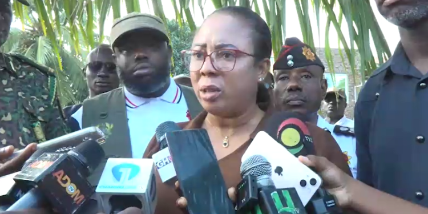
The Greater Accra Regional Security Council (REGSEC) has announced a fresh wave of demolitions set to commence next week, targeting illegal structures encroaching on waterways in Laboma and Agbogbloshie. The move is the latest in a sustained government effort to curb perennial flooding in the capital, following a devastating deluge on June 29 that claimed lives and submerged vast swathes of the city.
Regional Minister Linda Ocloo, who disclosed the plan after a monitoring tour of Metropolitan, Municipal and District Assemblies (MMDAs), said the exercise is part of a broader strategy to restore natural buffer zones, clear choked drainage channels, and enforce long-ignored planning regulations. “We have noticed that a lot of the buildings must come down, and so we will do a major demolition over there, hopefully next week,” Ocloo stated. “We want to create the buffer like we said. We can see that the refuse was caused by the squatters over there. Once we clear the place, we wouldn’t have issues there.”
The upcoming action follows earlier clean-up operations and desilting exercises conducted in the wake of the June floods, which overwhelmed parts of Accra, displacing hundreds and triggering widespread calls for stricter urban management. The government has repeatedly identified encroachment on waterways as a primary driver of flood disasters, with informal settlements—particularly in Agbogbloshie, a densely populated commercial hub—often bearing the brunt of enforcement.
Ocloo emphasised that the demolitions are not punitive but necessary for public safety, reaffirming the administration’s commitment to reclaiming all watercourses and preventing future calamities. “We will not relent until our waterways are free and our city is safe,” she added, while cautioning that residents in affected areas should relocate ahead of the exercise.
Critics, however, have raised concerns over the timing and lack of alternative housing for displaced squatters. Previous demolitions in the region have drawn backlash from civil society groups, who argue that forceful evictions without adequate resettlement plans exacerbate urban poverty. The Regional Minister did not address resettlement options during her briefing, but insisted that the government’s priority remains protecting lives and infrastructure from flood risks.
As Accra’s rainy season continues, REGSEC’s latest directive signals an aggressive push to enforce zoning laws, even as it reignites debates over balancing public safety with the rights of informal settlers. The demolition next week will be closely watched—both for its effectiveness and its human cost.
Recevez la newsletter d'AfroAsia Media
Les principales actualités du jour en Afrique et en Asie, directement dans votre boîte mail.




Commentaires
0 commentaire
Chargement…