
Nous traduisons cet article en français — la traduction s'affichera ici dans un instant. En attendant, voici la version originale en anglais.
Ghanaians lose $1.3 million to Mobile Money fraud in Q1 2025 alone, INTERPOL report warns as AI-powered scams surge
Accra, Ghana – Ghanaians lost an estimated $1.3 million to mobile money fraud in just the first three months of 2025, according to the newly released INTERPOL African Cyberthreat Assessment Report 2026, which paints a stark picture of a continent under siege by increasingly sophisticated digital financial crime. The figure, which covers January through March…
Publié le 3 min de lecture
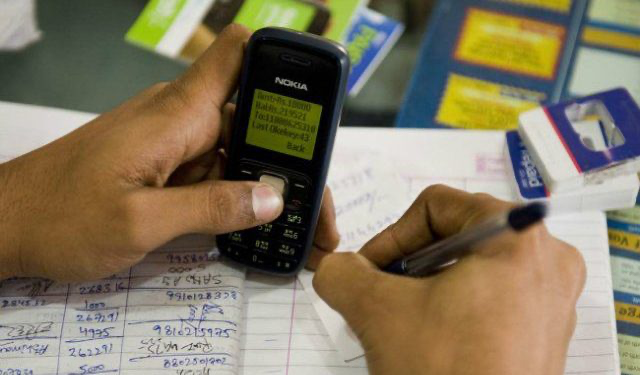
Accra, Ghana – Ghanaians lost an estimated $1.3 million to mobile money fraud in just the first three months of 2025, according to the newly released INTERPOL African Cyberthreat Assessment Report 2026, which paints a stark picture of a continent under siege by increasingly sophisticated digital financial crime.
The figure, which covers January through March 2025, underscores the scale of the threat facing Ghana’s rapidly expanding mobile money ecosystem—a sector that has become a lifeline for millions of unbanked citizens but is now a prime target for cybercriminals.
Mobile Money Fraud Tops Africa’s Cybercrime List
The INTERPOL report identifies mobile money fraud as the single most widespread online scam across Africa, with 97% of responding member countries listing it as a major cyber threat. Criminals employ a growing arsenal of tactics, including phishing messages, SIM-swap attacks, fake promotions, and social engineering tricks designed to trick victims into revealing PINs, one-time passwords, or authorising unauthorized transfers.
The report notes that Ghana’s losses are part of a wider continental crisis. In neighbouring Kenya, authorities detected over 123,000 fraudulent SIM cards in 2025 alone, all linked to SIM-swap fraud—a technique where attackers clone a victim’s SIM card to intercept banking verification codes and drain mobile wallets.
AI Makes Scams Harder to Detect
Perhaps most alarming, INTERPOL warns that advances in artificial intelligence are supercharging these schemes. Fraudsters now deploy AI-generated text messages that mimic official bank communications, voice cloning to impersonate relatives or customer service agents, and deepfake audio to trick victims into revealing sensitive data. These techniques make scams more convincing and far harder for ordinary users to spot.
The report’s authors caution that the very features that make mobile money attractive—speed, accessibility, and low transaction costs—also make it vulnerable. The rapid growth of digital financial services across Africa has, in INTERPOL’s words, “created new opportunities for cybercriminals” who are exploiting gaps in user education and platform security.
Calls for Action: Banks, Telcos, and Police Must Unite
To combat the rising tide, INTERPOL is urging African governments to forge stronger public-private partnerships. The report specifically calls for closer coordination between law enforcement agencies, financial institutions, and telecommunications companies—arguing that no single entity can stem the losses alone.
It also recommends that countries ramp up public awareness campaigns, especially in rural areas where mobile money is often the only financial service available and where literacy rates may make users more vulnerable to phishing.
For Ghana, the $1.3 million loss in a single quarter represents not just a financial drain but also a threat to public trust in the digital economy—a trust that authorities are racing to rebuild as the nation pushes forward with its broader digital transformation agenda.
The INTERPOL report offers a sobering conclusion: without urgent collective action—including stronger cybersecurity protocols, real-time fraud monitoring, and widespread consumer education—the cost of mobile money fraud will likely continue to climb across the continent.
Recevez la newsletter d'AfroAsia Media
Les principales actualités du jour en Afrique et en Asie, directement dans votre boîte mail.




Commentaires
0 commentaire
Chargement…