
Nous traduisons cet article en français — la traduction s'affichera ici dans un instant. En attendant, voici la version originale en anglais.
Ghana turns down Ramaphosa’s state visit amid deadly xenophobia dispute
The Ghanaian government has officially declined a state visit request from South African President Cyril Ramaphosa, citing a surge in xenophobic violence that has endangered Ghanaian nationals and triggered a major diplomatic row between the two nations. The decision, confirmed by diplomatic sources in both Accra and Pretoria, comes after weeks of anti-foreigner attacks that…
Publié le 3 min de lecture
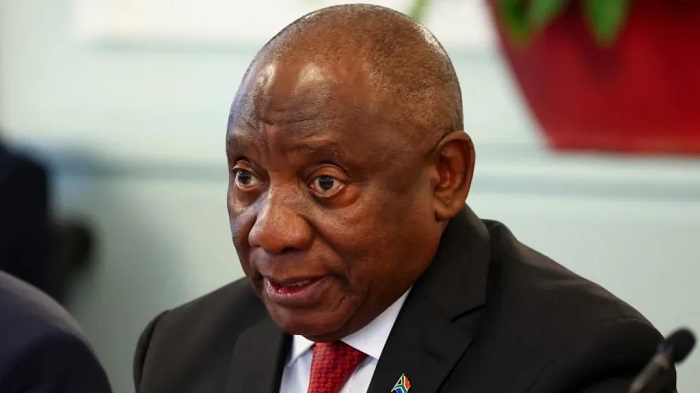
The Ghanaian government has officially declined a state visit request from South African President Cyril Ramaphosa, citing a surge in xenophobic violence that has endangered Ghanaian nationals and triggered a major diplomatic row between the two nations.
The decision, confirmed by diplomatic sources in both Accra and Pretoria, comes after weeks of anti-foreigner attacks that have forced the repatriation of approximately 1,000 Ghanaians, with an additional 900 registered to return home. The visit, originally scheduled for August 2–4, was formally rejected as Ghana demanded concrete action to protect its citizens.
Killing of Ghanaian Citizen Sparks Outrage
At the centre of the dispute is the death of 40-year-old Bashiru Isak, whom Ghanaian authorities say was shot and killed on June 30 during anti-immigrant demonstrations in Khayelitsha, Cape Town. The protests, led by a movement known as March and March, had set a June 30 deadline for undocumented foreign nationals to leave South Africa.
Ghana’s Ministry of Foreign Affairs condemned the killing “in the strongest terms” and formally lodged a protest with South Africa’s Department of International Relations and Cooperation. The government also filed a complaint with the South African Police Service and demanded a “full, transparent, and expedited investigation”.
South Africa Rejects Ghana’s Account
South African authorities have vehemently rejected Ghana’s version of events, describing the claims as “factually incorrect” and “not based on fact”. Justice Minister Mmamoloko Kubayi accused Ghana of spreading misinformation, stating: “The spread of false information to perpetuate the false narrative that South Africa is xenophobic is unacceptable”.
According to South African police, the victim was 35-year-old Kwabena Boagen—not Bashiru Isak—and was shot on June 29 in Nyanga, Cape Town, in what they suspect was an extortion-related murder, unconnected to the demonstrations. Police maintained that no deaths were recorded during the June 30 protests and urged Ghanaian authorities to provide details of the alleged Khayelitsha incident for further investigation.
Security Concerns and Diplomatic Fallout
A Ghanaian government source confirmed that the visit was declined not only over citizen safety but also due to fears for President Ramaphosa’s security, citing possible reprisals amid the volatile situation. The government further expressed concern that Ramaphosa’s reception could “spark unwelcoming emotion” given the current tensions.
“The Ghanaian government was deeply concerned about the safety and dignity of its citizens in South Africa” and could not proceed with a high-level visit “under the current circumstances,” a source told the Daily Graphic. Ghana has urged South Africa to take “concrete steps” to address the attacks and guarantee the safety of Ghanaian nationals before any such visit could be honoured.
Ghana’s petition to the African Union Commission on xenophobic attacks remains active, with the government expecting the matter to be addressed at the Commission’s next statutory meeting.
Despite the tensions, a Ghanaian source affirmed that the relationship between the two countries remains cordial. However, the conflicting accounts over Mr Isak’s death continue to strain longstanding ties between two nations with deep historical bonds, including Ghana’s role in housing and educating South African anti-apartheid activists during the liberation struggle.
Recevez la newsletter d'AfroAsia Media
Les principales actualités du jour en Afrique et en Asie, directement dans votre boîte mail.




Commentaires
0 commentaire
Chargement…