
Cet article n'est pas encore disponible en français — voici la version originale en anglais.
Ghana cedi holds steady amid mild depreciation, bolstered by strong forex support
The Ghana cedi has maintained a largely stable footing across the retail market over the past fortnight, even as it recorded modest losses in the interbank segment, thanks to sustained central bank intervention and fresh international funding inflows. In the interbank market, the cedi depreciated by 0.47% against the US dollar, closing at a mid-rate…
Publié le 3 min de lecture
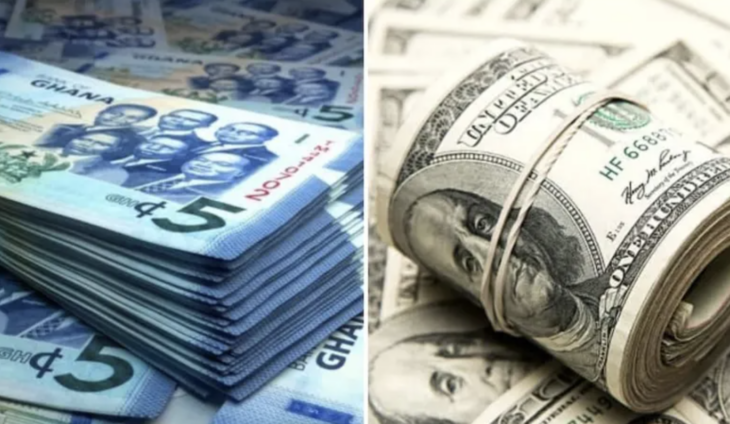
The Ghana cedi has maintained a largely stable footing across the retail market over the past fortnight, even as it recorded modest losses in the interbank segment, thanks to sustained central bank intervention and fresh international funding inflows.
In the interbank market, the cedi depreciated by 0.47% against the US dollar, closing at a mid-rate of GH¢11.69. Losses were steeper against other major currencies, with the pound sterling falling 1.36% to GH¢15.74 and the euro dropping 1.58% to GH¢13.46. The retail segment, however, saw far less volatility; the cedi eased just 0.21% against the dollar to GH¢12.13, while the pound and euro traded largely unchanged at GH¢16.05 and GH¢13.70, respectively.
A Tale of Two Markets
The divergence between interbank and retail rates reflects a subdued trading environment, with reduced speculative activity and adequate dollar liquidity keeping retail quotes steady. Yet, on a month-on-month basis, the cedi still shed 2.91% against the dollar in July 2026—reversing June’s 3.35% appreciation—despite the Bank of Ghana injecting an estimated US1.2 billion in June.
Liquidity Buffers Bolster Confidence
According to Databank Research, the currency’s performance aligned closely with its earlier forecast that the dollar would remain range-bound between GH¢11.60 and GH¢11.70. Looking ahead, the research firm expects the central bank’s planned US371 million disbursement under the IMF’s Extended Credit Facility—to provide a crucial liquidity buffer and anchor market expectations.
“However, we still expect underlying pressure from commercial demand and energy-related imports to keep the cedi on a mild weakening path,” Databank noted. It projects near-term volatility to remain contained, with upside for the dollar capped near GH¢11.85 and downside support around GH¢11.40.
Year-to-Date Performance Remains Positive
At the start of this week, the cedi was trading at GH¢12.15 to the US dollar in the retail market. Despite July’s retreat, the currency still holds a year-to-date gain of 0.41% against the greenback—a rare bright spot amid persistent structural pressures.
Context and Outlook
The central bank’s aggressive forex support, totaling over US$2.2 billion in the past two months, has been critical in preventing a freefall. However, analysts warn that the underlying drivers of depreciation—robust commercial import demand, energy sector foreign exchange needs, and lingering fiscal imbalances—remain unresolved. The IMF disbursement and continued Bank of Ghana intervention are expected to keep the cedi within a narrow band in the short term, but sustained stability will hinge on broader economic reforms and improved export receipts.
For now, importers and businesses with foreign currency obligations may find relief in the relative calm, but the mild weakening trend suggests vigilance remains necessary.
Recevez la newsletter d'AfroAsia Media
Les principales actualités du jour en Afrique et en Asie, directement dans votre boîte mail.




Commentaires
0 commentaire
Chargement…