
Nous traduisons cet article en français — la traduction s'affichera ici dans un instant. En attendant, voici la version originale en anglais.
GARID Project: Only 11% of $103.8m drawn down spent on flood works – Franklin Cudjoe
Policy analyst and founding President of IMANI Africa, Franklin Cudjoe, has rejected claims that the Ministry of Finance has delayed the Greater Accra Resilient and Integrated Development (GARID) Project, arguing instead that the government has refocused the initiative on its core mandate of flood prevention. Mr Cudjoe’s defence comes in response to a World Bank…
Publié le 3 min de lecture
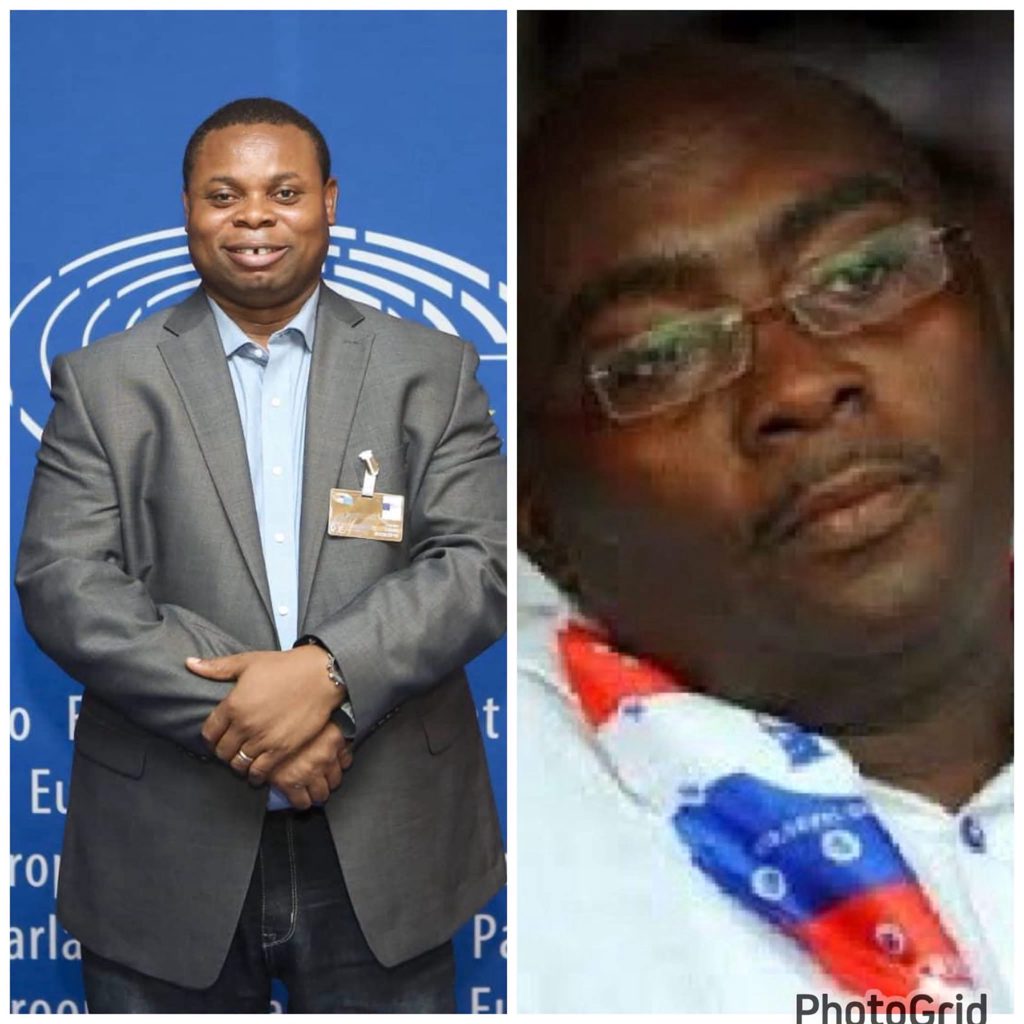
Policy analyst and founding President of IMANI Africa, Franklin Cudjoe, has rejected claims that the Ministry of Finance has delayed the Greater Accra Resilient and Integrated Development (GARID) Project, arguing instead that the government has refocused the initiative on its core mandate of flood prevention.
Mr Cudjoe’s defence comes in response to a World Bank implementation update released in May 2026, which downgraded the project’s performance to “Moderately Unsatisfactory” and cited “persistent funding constraints”. The Bank had also stated that fiscal controls by Ghana’s Finance Ministry had “significantly constrained” implementation.
However, Mr Cudjoe contends the available evidence presents a different picture.
Review of Previous Spending
According to Mr Cudjoe, records show that between 2019 and 2024, the previous administration drew down **US350 million GARID facility. He provided the following breakdown of how the funds were utilised:
· US$22.1 million (21%) – spent on training activities
· US$7.9 million (7%) – spent on consultancy services
· US$60.8 million (59%) – redirected to COVID-19-related expenditure
· US$1.68 million (2%) – used for other costs, including the purchase of vehicles
Only US$11.4 million (11%) of the total amount withdrawn was actually invested in flood prevention and mitigation infrastructure – the core objective of the GARID Project.
“Nearly nine out of every ten dollars were spent on activities other than protecting Ghanaians from floods,” Mr Cudjoe stated. “Only US10 was used for the project’s core purpose”.
Government Refocuses Remaining Funds
Mr Cudjoe explained that upon assuming office, the Mahama administration reviewed the project’s status and engaged the World Bank to repurpose the outstanding balance. Future disbursements, he said, would be dedicated exclusively to flood mitigation infrastructure.
He argued that this decision should not be interpreted as a funding delay. “That isn’t a delay. That is a deliberate, responsible decision to make sure the money does what it was always supposed to do: offer lasting protection to communities that have suffered for too long,” he wrote.
New Spending Under Current Administration
Mr Cudjoe further disclosed that the government spent approximately US10.52 million has been released for similar works in 2026. This brings the total for 2025–2026 to approximately US11.4 million spent on flood works over the entire previous six-year period.
According to the policy analyst, the Ministry of Finance has also approved the cedi equivalent of more than US$76 million under the GARID Project for flood mitigation infrastructure to be implemented in 2026 and 2027.
Unlike previous spending patterns, he noted, no funds have been allocated to training, consultancy services, or vehicle purchases since the current administration took office.
Background
The GARID Project is one of Ghana’s flagship programmes aimed at tackling chronic flooding in the capital. Initiated in 2019, it is Ghana’s largest urban resilience programme, designed to strengthen flood risk management, drainage systems, waste management, and climate resilience across the Greater Accra Region.
The World Bank, however, has maintained that fiscal controls introduced by the Ministry of Finance significantly delayed implementation, noting that the project recorded virtually no disbursements for approximately 16 months, from November 2024 to March 2026. As of April 2026, only $137 million, about 40 percent of the total project funding, had been disbursed.
Mr Cudjoe maintains that the government has not stalled the project but has instead refocused its implementation to ensure that borrowed funds are used for their intended purpose.
The Ministry of Finance has not yet issued a separate statement responding to concerns about delays in the project, while the figures cited by Mr Cudjoe represent his assessment of the project’s financial records and implementation.
Recevez la newsletter d'AfroAsia Media
Les principales actualités du jour en Afrique et en Asie, directement dans votre boîte mail.




Commentaires
0 commentaire
Chargement…