
Nous traduisons cet article en français — la traduction s'affichera ici dans un instant. En attendant, voici la version originale en anglais.
Fuel prices set for daily changes as BDCs abandon fortnightly pricing model
Motorists across Ghana should brace for a new era of fuel pricing, with pump prices potentially changing almost daily rather than the traditional bi-monthly updates. This seismic shift follows a decision by Bulk Oil Distribution Companies (BDCs) to adopt spot pricing for petroleum products, driven by unprecedented volatility in global crude oil markets. The development…
Publié le 4 min de lecture
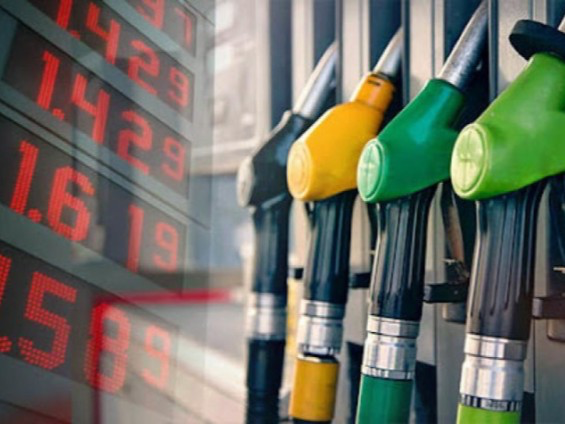
Motorists across Ghana should brace for a new era of fuel pricing, with pump prices potentially changing almost daily rather than the traditional bi-monthly updates. This seismic shift follows a decision by Bulk Oil Distribution Companies (BDCs) to adopt spot pricing for petroleum products, driven by unprecedented volatility in global crude oil markets.
The development means Oil Marketing Companies (OMCs) will no longer wait for the established pricing windows on the 1st and 15th of each month. Instead, they may adjust retail prices in real-time, responding immediately to significant movements in international oil prices and foreign exchange rates.
A Market in Flux
This transition comes after weeks of erratic price hikes. Since the July 16, 2026 pricing window, several OMCs have revised their pump prices two or even three times—a clear departure from the predictable fortnightly cycle that has governed Ghana’s downstream petroleum sector for years.
Industry insiders attribute these frequent adjustments to twin pressures: a sharp rally in global fuel benchmarks and a depreciating Ghana cedi against the US dollar, which inflates the cost of imported products.
Industry Explains the Shift
Dr. Kweku Ofori, Chief Executive of the Chamber of Bulk Oil Distributors, confirmed to JoyBusiness that the industry’s pricing architecture has fundamentally changed. He noted that most BDCs now transact with OMCs using spot pricing—where each cargo is priced at the current market rate—while some rely on daily pricing triggers when purchasing from international traders.
“This move has been influenced by extreme volatility in crude prices on the world market,” Dr. Ofori stated. “We are effectively moving away from prices reviewed every two weeks to a system where adjustments could happen daily.”
He stressed that the recent mid-window price increases are fully compliant with regulations. “It is absolutely justified. BDCs and OMCs are permitted to adjust prices within the window. The only requirement is that they justify their actions to the National Petroleum Authority (NPA).”
Retailers Defend Adjustments
Fuel retailers have echoed Dr. Ofori’s stance. In a Facebook post on July 24, Philip Tieku, Chief Executive of Star Oil, revealed that international gasoline prices had surged nearly 20% since the start of the current pricing window, while diesel had risen about 25%. He added that the cedi’s depreciation during the same period had compounded import costs.
“Most petroleum products are purchased on a daily cash-and-carry basis,” Tieku explained. “Every new consignment is priced using prevailing international benchmarks and the current exchange rate. Adjusting pump prices is not optional—it is necessary to prevent arbitrage and sustain supply.”
Another major OMC, speaking on condition of anonymity, defended the practice, citing NPA guidelines that permit pump price revisions whenever ex-refinery prices rise within a window. The company noted that BDCs are now reviewing ex-refinery prices daily, leaving OMCs with no choice but to pass on increases.
However, the firm assured consumers that any future drops in international prices would be reflected at the pumps without delay, maintaining that the new model works both ways.
Background: Why the Change?
Historically, Ghana’s fuel pricing was anchored on a fortnightly formula that smoothed out short-term market fluctuations, providing motorists with price certainty. However, the post-COVID era and the Russia-Ukraine conflict have introduced extreme price swings, making the old model unsustainable.
BDCs, which import and store bulk fuel, argue that locking in prices for two weeks exposes them to severe financial losses when global markets spike. By shifting to spot pricing, they align domestic costs with international realities—a move already adopted by mature markets like the UK and US.
What This Means for Motorists
The immediate effect is unpredictability. A driver filling up on Monday could see a different price on Tuesday, depending on overnight movements in Brent crude or the cedi-dollar rate. While this brings greater transparency—prices reflect true market costs—it also demands that consumers monitor fuel prices more closely.
For the government and regulators, the shift raises questions about consumer protection. The NPA has yet to issue an official stance on the industry’s move toward daily adjustments. However, Dr. Ofori insists the transition is inevitable. “The global market no longer waits for Ghana’s pricing calendar. We must adapt or risk supply disruptions.”
Looking Ahead
As the industry pivots to this flexible model, competition among OMCs could intensify, with some retailers using price volatility as a marketing tool—offering discounts when international prices dip, while others may hold off on reductions. Consumer groups have called for the NPA to enforce strict oversight to prevent opportunistic hikes that outpace actual cost increases.
For now, motorists should expect the unexpected. The era of checking fuel prices twice a month is ending. In its place is a daily dance with global oil markets—one that promises to keep both drivers and regulators on their toes.
Recevez la newsletter d'AfroAsia Media
Les principales actualités du jour en Afrique et en Asie, directement dans votre boîte mail.




Commentaires
0 commentaire
Chargement…