
Nous traduisons cet article en français — la traduction s'affichera ici dans un instant. En attendant, voici la version originale en anglais.
DVLA to pilot electronic number plate system this month ahead of 2027 national rollout
– The Driver and Vehicle Licensing Authority (DVLA) will commence the pilot phase of its new electronic number plate system this month, with full nationwide implementation scheduled to begin in January 2027, Chief Executive Officer Julius Neequaye Kotey has announced. Speaking on Asempa FM’s Ekosii Sen programme, Mr Kotey revealed that the long-awaited rollout was…
Publié le 3 min de lecture
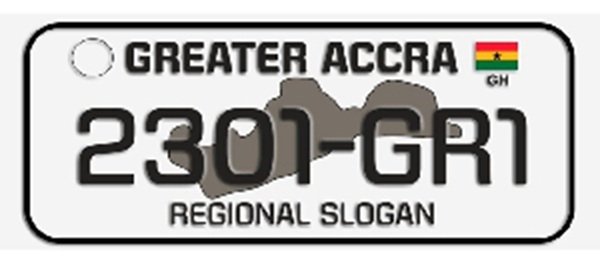
– The Driver and Vehicle Licensing Authority (DVLA) will commence the pilot phase of its new electronic number plate system this month, with full nationwide implementation scheduled to begin in January 2027, Chief Executive Officer Julius Neequaye Kotey has announced.
Speaking on Asempa FM’s Ekosii Sen programme, Mr Kotey revealed that the long-awaited rollout was delayed by a court challenge and the time required to secure parliamentary approval for the necessary Legislative Instrument (L.I.). However, with Cabinet approval now secured and the L.I. having taken effect on May 28, 2026, the project is finally moving forward.
A System Delayed but Not Derailed
“The court suit against us threw everything into disarray, and because of the L.I. we were not able to get the timing right. Parliament went on recess, but thankfully we went through all the processes. It was passed and took effect on May 28,” Mr Kotey explained. He added that Cabinet has since given its formal approval, clearing the path for the pilot phase to begin this month.
Upgraded Materials and Security Features
The new system aims to significantly improve the quality and security of Ghana’s vehicle registration plates. Mr Kotey noted that plans to upgrade the plates predated his tenure, with an existing contract seeking to increase the aluminium content of the plates from approximately 30 percent to 70 percent, making them more durable and harder to counterfeit.
About 20 companies submitted bids for the contract, but only one was selected through the official procurement process. When Mr Kotey assumed office, some unsuccessful bidders urged him to terminate the agreement. He declined, citing the contract’s lawful award: “When I assumed office, the other companies asked me to terminate the contract, but I disagreed because it had already been legally awarded.”
Cloning Detectors Already Yielding Results
Beyond material upgrades, the new electronic system introduces advanced cloning detectors designed to identify and flag fraudulent plates. Mr Kotey disclosed that within just one month of deploying these detectors, the DVLA had seized approximately 130 vehicles and handed them over to Customs for further action.
Investigations have uncovered widespread abuse, including cases where vehicle owners obtained fake number plates and roadworthy certificates from locations far from their registered regions. “Some vehicles may be in the Northern Region, but their number plates are produced in Accra before fake roadworthy certificates are issued. Others also use number plates from damaged vehicles to commit illegal acts,” he explained.
Security Imperative
Mr Kotey stressed that vehicle number plates are not mere administrative tools but critical security documents. “Anyone having easy access to number plates is a problem because they are security documents. They are meant to protect public safety,” he said. The new system is therefore designed to restrict unauthorised production, improve vehicle traceability, and reduce the use of cloned plates in crimes such as armed robbery, smuggling, and hit-and-run incidents.
Pilot and Rollout Timeline
The pilot phase, beginning this month, will test the system’s functionality, security features, and operational efficiency in a controlled environment. Lessons learned will inform adjustments before the nationwide rollout in January 2027. The DVLA expects the full implementation to enhance road safety, strengthen law enforcement, and restore public confidence in vehicle registration processes.
Broader Context
The electronic number plate initiative is part of a wider modernisation drive at the DVLA, which has also introduced digital services for driver licensing, vehicle inspections, and online renewals. The move aligns with global best practices, as many countries have adopted electronic plates with embedded RFID chips and unique identifiers to combat fraud and improve traffic management.
For Ghana, the successful rollout could mark a significant step forward in tackling vehicle-related crime and improving the integrity of the country’s transport documentation system.
Recevez la newsletter d'AfroAsia Media
Les principales actualités du jour en Afrique et en Asie, directement dans votre boîte mail.




Commentaires
0 commentaire
Chargement…