
The numbers that broke England: 88% possession, 266 passes, and a tactical surrender
For 54 minutes, England’s game plan was working. Then Anthony Gordon scored. And then, almost imperceptibly at first, the Three Lions retreated. By the time the final whistle blew, they had been suffocated by a statistical avalanche. The numbers from Argentina’s 2-1 World Cup semi-final victory tell a story of complete and utter domination —…
Published 4 min read
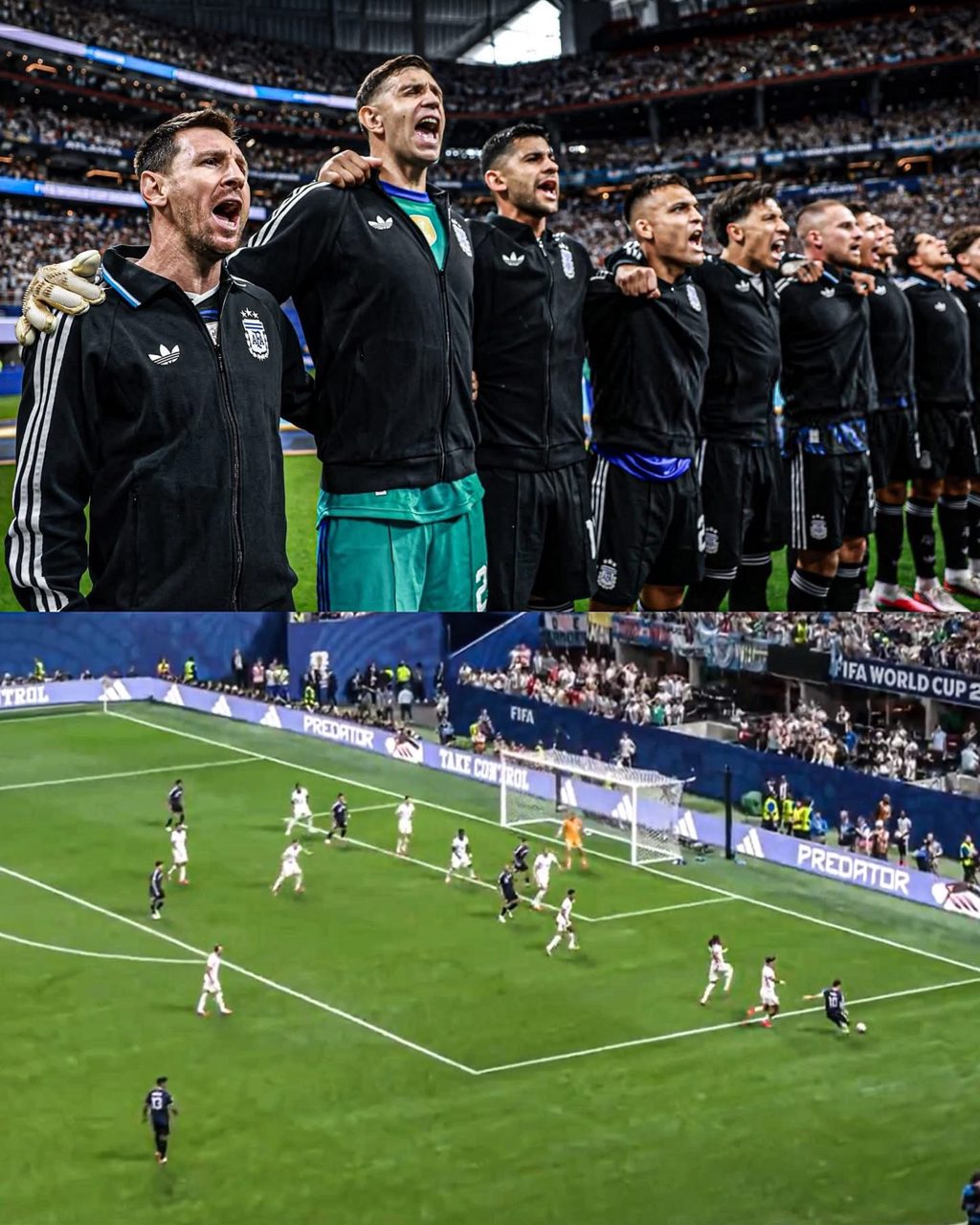
For 54 minutes, England’s game plan was working. Then Anthony Gordon scored. And then, almost imperceptibly at first, the Three Lions retreated. By the time the final whistle blew, they had been suffocated by a statistical avalanche.
The numbers from Argentina’s 2-1 World Cup semi-final victory tell a story of complete and utter domination — not over 90 minutes, but over the 37 minutes that truly mattered.
The possession that broke records
Between Gordon’s 55th-minute opener and Lautaro Martínez’s 92nd-minute winner, England had just 12% possession — Argentina controlled the remaining 88%.
According to Opta, this was the lowest possession percentage recorded by a team that had been winning for at least 10 minutes in a World Cup match over the last 60 years. The only team with a lower percentage in a similar timeframe at this tournament was Qatar in their 6-0 loss to Uruguay while down to nine players (11%).
Argentina’s response to falling behind was immediate and relentless. As England captain Harry Kane admitted afterwards: “After the goal, whether it was them putting more men forward or us not being able to match them man for man, it was just wave after wave”.
The passing masterclass
The numbers behind that possession are equally remarkable. Argentina completed 266 passes during that 37-minute spell, compared to England’s meagre 20. For context, Argentina’s total passing dominance across the entire match was 578 completed passes to England’s 331.
What makes this even more damning is that England’s total accurate passes for the entire match was just 273 — meaning they completed only seven more passes in the other 53 minutes than Argentina managed during that 37-minute onslaught.
The attacking barrage
Argentina’s response to falling behind was not just about keeping the ball. It was about using it.
Before Gordon’s goal, Argentina had managed just five shots. After it, they registered another 10, hitting the woodwork twice. In total, Argentina finished with 15 shots, 5 on target.
Lionel Messi, quiet for much of the first half, came alive. He completed nine dribbles against England — the entire England team combined managed just seven. He had seven touches in the opposition box, the same as every English player added together. He created four chances, matching England’s entire team total. And he put in a game-high nine crosses.
“He walks around the pitch and then he comes alive when the ball comes to his feet,” said BBC pundit Micah Richards. “This genius comes into play and sometimes that is just the difference”.
The tactical surrender
So how did a team that had pressed Argentina so effectively in the first half collapse so completely?
Thomas Tuchel’s tactical changes have been heavily criticised. After going ahead, he removed goalscorer Gordon for defender Ezri Konsa, then replaced Declan Rice and Reece James with defenders Nico O’Reilly and Dan Burn. England reverted to a back five.
Argentina goalkeeper Emiliano Martínez spotted it immediately: “We felt them going backwards and backwards rather than going forward. Sometimes when you are winning, you have to go forward anyway. You can’t change the game plan”.
The result was that Argentina, already trailing 1-0 with five minutes of normal time remaining, were allowed to establish “sustained pressure in the England half”. They had the ball, they had the space, and they had Messi finding pockets between England’s defensive lines.
Former England goalkeeper Joe Hart said: “I didn’t see one bit of panic from that Argentina side. I saw belief. I saw them realising they could free up the great man Lionel Messi in the pocket, and they were running all over England”.
The historical context
This was only the second time this century that a team scored first in a World Cup semi-final and failed to reach the final. The other? England themselves, against Croatia in 2018.
The first half had already set unwanted records — the combined 0.08 expected goals total was the lowest in a first half of a World Cup knockout match since 1966, and it was the first men’s World Cup match on record not to see a single shot in the first 30 minutes.
What the numbers really mean
For all the talk of Argentina’s “dark arts” and the political fallout from their post-match celebrations, the numbers tell a simpler story. England had a lead against the world champions, and they chose to defend it. Argentina, sensing weakness, took complete control.
“We tried to help,” Tuchel said of his defensive substitutions. “But of course the responsibility is on the coach. And … if it doesn’t go well, it’s easy to say that it was wrong”.
Argentina will face Spain in Sunday’s final. England will fly home with a record that will haunt them — 12% possession, 20 passes, 10 shots conceded, and 37 minutes that unravelled a World Cup dream.
As Martínez put it: “They got their goal and then sat back. That gave us more composure to move the ball around and stretch the pitch”.
Get the AfroAsia Media newsletter
The day's top stories from Africa and Asia, straight to your inbox.




Comments
0 comments
Loading…