
Special Olympics Ghana launches global week of inclusion: A new dawn for disability sport
Sport took centre stage last Monday as Ghana officially joined the global community to launch the 2026 Global Week of Inclusion, with a colourful ceremony at the forecourt of the Accra Metropolitan Assembly. The five-day observance, which runs through July 24, has brought together government agencies, educators, disability advocates, and Special Olympics partners under the…
Published 3 min read
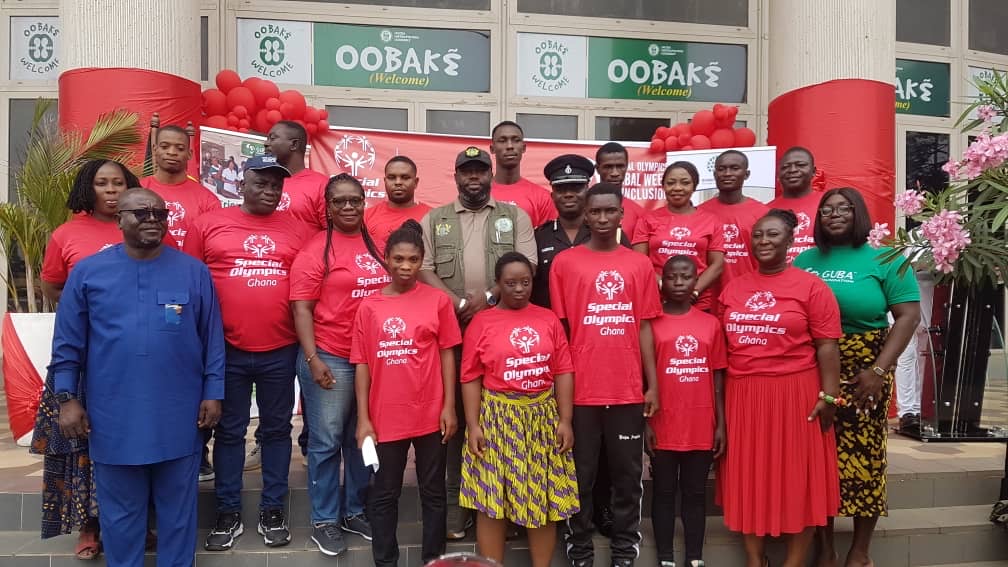
Sport took centre stage last Monday as Ghana officially joined the global community to launch the 2026 Global Week of Inclusion, with a colourful ceremony at the forecourt of the Accra Metropolitan Assembly. The five-day observance, which runs through July 24, has brought together government agencies, educators, disability advocates, and Special Olympics partners under the symbol of the red ribbon – a global emblem of solidarity with persons with intellectual and developmental disabilities.
For the Special Olympics movement, now in its sixth decade of advocacy worldwide, the week is more than a commemoration; it is a clarion call to use sport as a springboard for social change. National programmes across Africa, including Tanzania, held parallel launches during the same window, underscoring the continent’s growing commitment to inclusive athletics. But what does this mean for disability sport in Ghana, and why does it matter beyond the ceremonial speeches?
◆
The launch represents a significant step toward formalising disability sport within Ghana’s national sporting architecture. For decades, athletes with intellectual disabilities have been marginalised, with few structured opportunities to train or compete. By bringing together the Ghana Education Service, the National Sports Authority, disability advocates, and international partners, Special Olympics Ghana is laying the groundwork for a sustainable, year-round sporting programme. Ms Cynthia Wise of the Ghana Education Service confirmed that all preschool children under the Service’s care are expected to take part in physical education and sport, adding: “When we give them a ball, a track, or a court, we are not just teaching fitness; we are building social ability, improving health outcomes, and opening a genuine career pathway – from Special Olympics competitions to the Paralympic Games.”
The week also renews focus on athlete development pathways. Mrs Mavis Asantewaa Opoku of the ROBBFoundation highlighted how grassroots talent identification has already produced athletes who have represented Ghana internationally. The pathway from community programmes to Special Olympics World Games to the Paralympic Games is being strengthened through partnerships with the National Sports Authority and the Ghana Education Service. Beyond medals, the launch carries a deeper significance: changing how Ghanaian society perceives disability. Mr Patrick Nzuzi of Special Olympics Africa urged Ghanaians to approach inclusive sport with the same passion they bring to football: “When we compete together, we learn to live together.”
◆
ACP Thomas Darkwah, Deputy Board Chair of Special Olympics Ghana, framed inclusion as a justice issue, invoking Ghana’s national motto: “We are not calling for inclusion out of charity – we are calling for it because it is justice for every child who has an intellectual disability.” This framing moves the conversation from pity to rights, demanding that disability sport be treated as a fundamental aspect of Ghana’s commitment to equality.
The true impact of the week will be measured by what happens after the ribbons are taken down. The Ghana Education Service must implement inclusive physical education across all schools, the National Sports Authority must include disability sport in its funding plans, and corporate Ghana must step up with sponsorship. As Ghana grapples with youth unemployment, disability sport offers an overlooked solution, creating jobs for coaches, administrators, and event organisers. The message from Special Olympics Ghana is unmistakable: in the game of life, no one should be left on the bench. The question is whether Ghana will answer that call, not just for one week, but for every week to come.
Get the AfroAsia Media newsletter
The day's top stories from Africa and Asia, straight to your inbox.




Comments
0 comments
Loading…