
MFWA boss hails Wontumi verdict as Litmus test for Ghana’s galamsey fight
As political tempers flare over Chairman Wontumi’s 20-year prison sentence, civil society voices are framing the landmark ruling as a defining moment in Ghana’s long struggle against illegal mining. Sulemana Braimah, Executive Director of the Media Foundation for West Africa (MFWA), has described the conviction as a crucial test of whether Ghana’s justice system can…
Published 3 min read
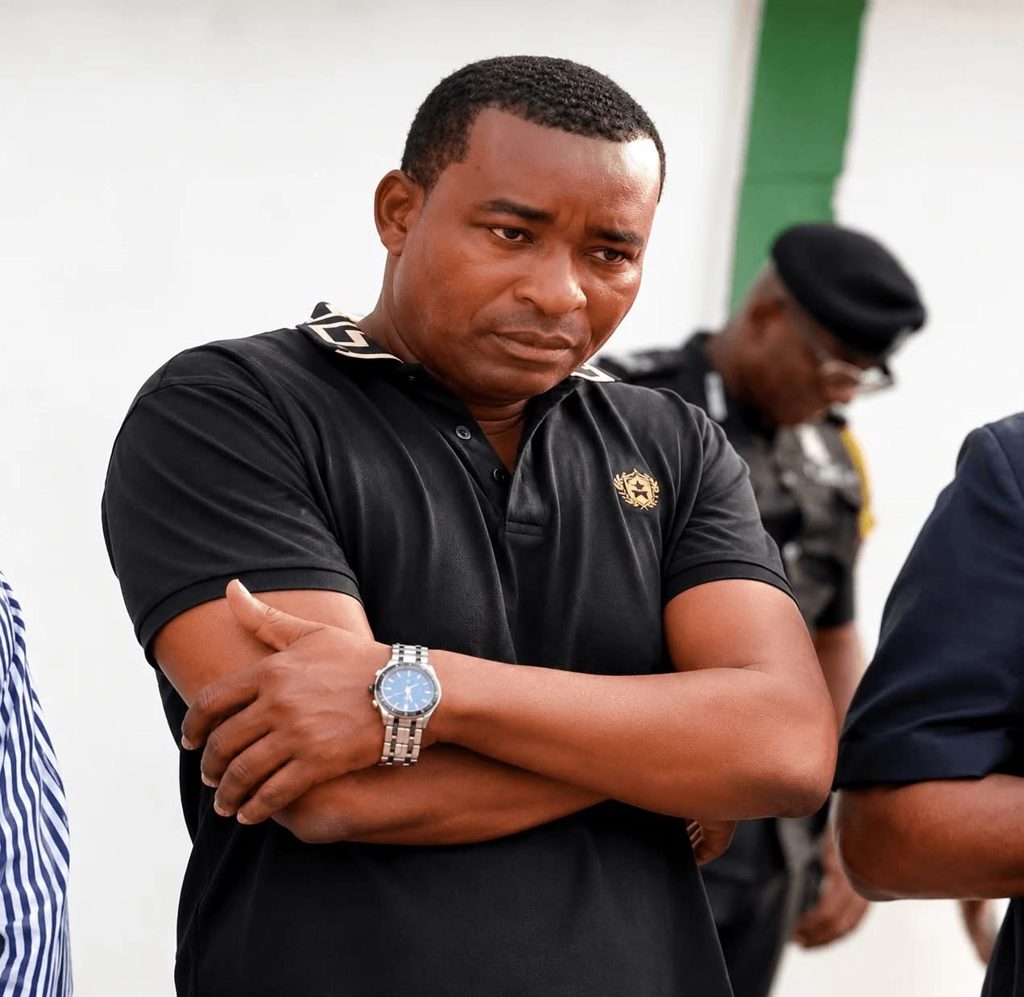
As political tempers flare over Chairman Wontumi’s 20-year prison sentence, civil society voices are framing the landmark ruling as a defining moment in Ghana’s long struggle against illegal mining.
Sulemana Braimah, Executive Director of the Media Foundation for West Africa (MFWA), has described the conviction as a crucial test of whether Ghana’s justice system can hold powerful figures accountable—regardless of political affiliation.
“This case is not merely about one politician or one mining company,” Braimah has previously noted regarding the Samreboi proceedings. The ruling, he suggests, signals that the era of impunity for “big men” who flout mining laws may be drawing to a close.
The Verdict in Focus
The High Court in Accra convicted Bernard Antwi Boasiako—popularly known as Chairman Wontumi—on two counts: unlawfully assigning mineral rights and facilitating unlicensed mining operations on the Akonta Mining concession at Samreboi in the Western Region.
Justice Audrey Kocuvie-Tay sentenced Wontumi to 20 years’ imprisonment, falling short of the maximum 25 years but still one of the harshest penalties ever imposed on a senior political figure in Ghana’s galamsey crackdown.
A Civil Society Perspective
For Braimah and the MFWA, whose work focuses on media freedom, transparency, and accountable governance across West Africa, the case represents more than a single conviction.
The court found that while Wontumi himself did not personally engage in illegal mining, he permitted others—specifically Henry Okum—to mine on his concession without prior ministerial approval, a violation of the Minerals and Mining Act (Act 703) as amended by Act 995.
Crucially, the judge ruled that the circumstances justified “lifting the corporate veil” —finding that there was “no difference between” Wontumi and Akonta Mining in their dealings. The verdict establishes a precedent that informal verbal agreements cannot shield concession holders from criminal liability when the law demands written ministerial consent.
A Watershed Moment
Civil society advocates have long argued that Ghana’s galamsey crisis persists because enforcement disproportionately targets small-scale operators while leaving politically connected figures untouched.
Braimah’s organisation has consistently championed accountability and the rule of law. From this perspective, the Wontumi verdict offers a rare instance of speaking truth to power—a principle the MFWA executive director has described as central to Ghana’s development.
While the NPP has condemned the ruling as “politically motivated” and announced plans to appeal, the conviction stands as a judicial milestone: a senior politician imprisoned not for wielding a pickaxe, but for wielding influence to facilitate mining without the law’s permission.
As Braimah and other civil society voices have emphasized, the true measure of this verdict will be whether it marks the beginning of sustained accountability—or remains an isolated exception.
Get the AfroAsia Media newsletter
The day's top stories from Africa and Asia, straight to your inbox.




Comments
0 comments
Loading…