
Jordan Ayew’s silent World Cup raises doubts over free-agent future
Despite the Black Stars’ spirited campaign at the 2026 FIFA World Cup, one name has become the subject of uncomfortable chatter among fans and pundits alike: Jordan Ayew. The 34-year-old forward, who entered the tournament as Ghana’s most capped active player and a free agent after his contract with Leicester City expired, ended the World…
Published 4 min read
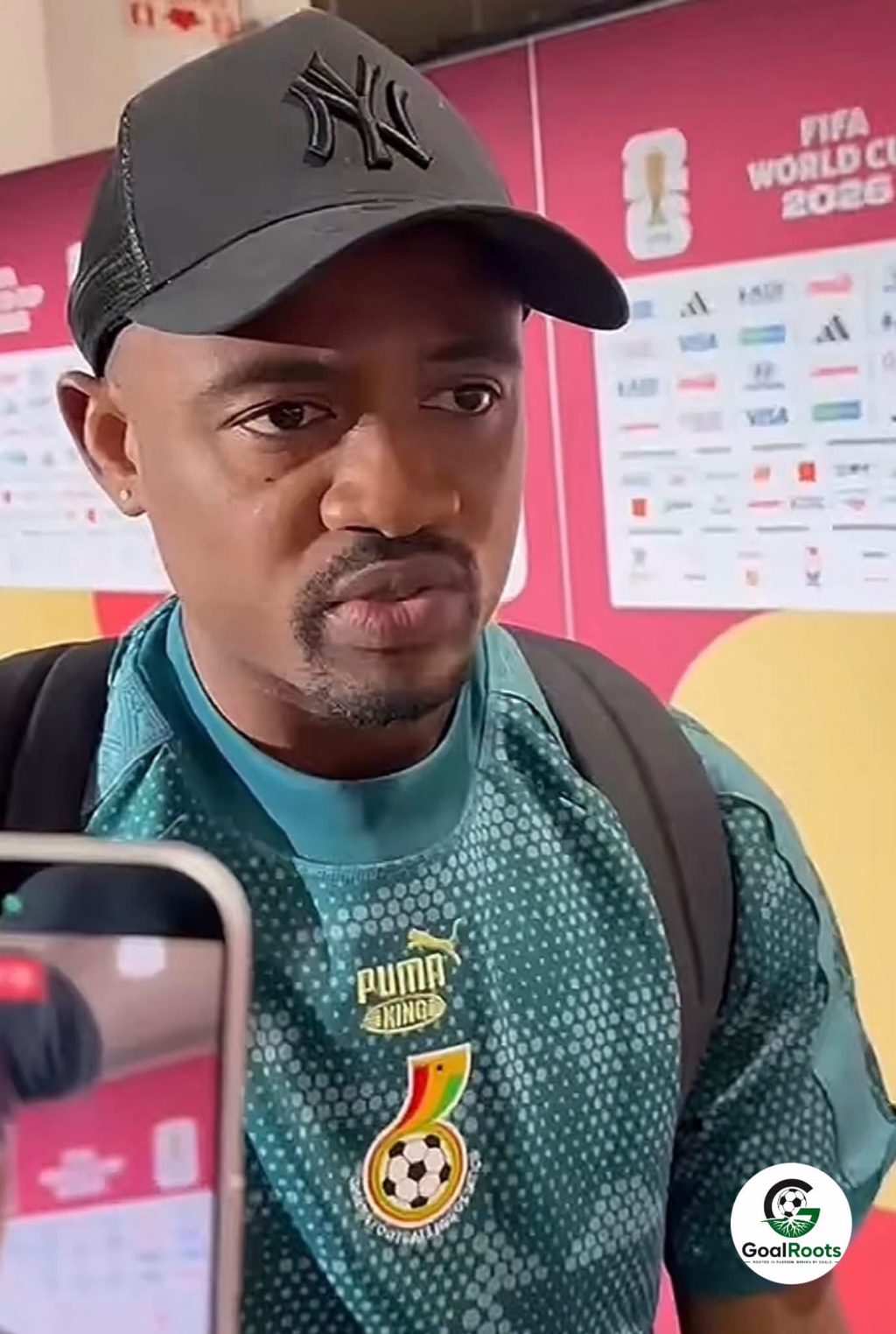
Despite the Black Stars’ spirited campaign at the 2026 FIFA World Cup, one name has become the subject of uncomfortable chatter among fans and pundits alike: Jordan Ayew.
The 34-year-old forward, who entered the tournament as Ghana’s most capped active player and a free agent after his contract with Leicester City expired, ended the World Cup with a statistical line that has sparked bewilderment rather than admiration. In four appearances for Ghana, Ayew recorded zero goals, zero shots, and zero shots on target — a so-called “triple zero” that stands in stark contrast to the glowing tributes his senior teammatesl and coach have offered in post-match conferences.
While Ghana’s campaign ended in the Round of 16 after a narrow defeat to Brazil, Ayew’s individual output has prompted sharp questions about his role in the squad. He started the opening group match against Portugal, played 72 minutes, and registered no attempts at goal. He came on as a substitute against Uruguay and South Korea, and started again in the knockout tie, yet his name appeared nowhere on the shot statistics sheet.
By the final whistle against Brazil, Ayew had amassed 227 minutes of World Cup football across four matches—with not a single effort on goal, not even a blocked or off-target attempt. In a tournament where Ghana’s attack relied on the pace of Mohammed Kudus and the creativity of Thomas Partey, Ayew’s contribution was largely limited to defensive pressing and occasional link-up play, often dropping deep into midfield.
In contrast, other forward options—including the likes of Antoine Semenyo and Emmanuel Frimpong—managed to create chances and test opposition goalkeepers, albeit with modest returns. Ayew’s statistical blank, however, stands out because of his seniority and the expectation that he would provide a veteran presence in the final third.
Coach Otto Addo has repeatedly defended Ayew, citing his experience, leadership, and ability to hold up play. “Jordan does a lot of work off the ball that doesn’t show up in numbers,” Addo told journalists after the Portugal match. “We value his positional sense and his calmness in possession.”
Yet, critics argue that those attributes are insufficient for a forward tasked with scoring goals—especially at a World Cup where Ghana’s inability to finish chances was a recurring theme. Social media, particularly in the days following Ghana’s elimination, has been flooded with memes and sarcastic tributes. One viral post read: “Jordan Ayew’s World Cup highlight reel is just him pointing and clapping.”
The timing of his poor showing is particularly awkward. Ayew is currently unattached, having left Leicester City at the end of the 2025–26 season. He was widely expected to use the World Cup as a showcase to attract offers from clubs in the Premier League, the Middle East, or even the MLS. Instead, his statistic sheet may have done more harm than good.
Football analysts have pointed out that scouts do not only look at goals; they also examine movement, passing accuracy, and defensive work rate. In those metrics, Ayew performed adequately, completing over 80% of his passes and making several interceptions. But as one Accra-based sports journalist noted, “At his age, clubs are looking for proven goal contributions. A forward who doesn’t shoot is a hard sell, regardless of his leadership.”
His agent, who spoke to the Daily Graphic on condition of anonymity, insisted that “several clubs have expressed interest” and that Ayew’s World Cup performances were “misinterpreted by those who only look at numbers.” The agent added that contract negotiations are ongoing, but declined to name any interested parties.
Meanwhile, Ghanaian fans remain divided. Some, like Kojo Asare, a regular at the Accra Sports Stadium, expressed frustration: “We love Jordan, but four games, no shots? That is not what we expect from a striker. He should be grateful we went that far.” Others, however, have been more forgiving. “He’s not a poacher; he’s a team player,” argued Rashida Mohammed, a teacher in Kumasi. “If he didn’t shoot, maybe because he was instructed to create space for others.”
The broader question now is whether Ayew’s World Cup will be remembered for his leadership or for his invisibility in front of goal. With the transfer window open and his free-agent status attracting attention, the coming weeks will reveal whether any club is willing to sign a player whose attacking output, at the highest level, was precisely zero.
As one observer put it: “Jordan Ayew may have been wonderful in the dressing room. But on the pitch, his World Cup was a statistical ghost.” Whether that ghost finds a new home remains to be seen.
Get the AfroAsia Media newsletter
The day's top stories from Africa and Asia, straight to your inbox.




Comments
0 comments
Loading…