
Ghana's Cedi Ranked Fourth Most Valuable Currency in Africa — Report
Ghana's cedi has been ranked the fourth most valuable currency in Africa by nominal exchange rate value against the US dollar, according to a ranking published by Africa Business Insider in October…
Journalist
Published 2 min read
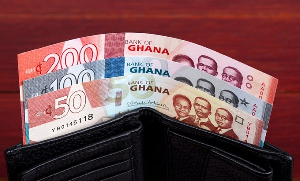
Ghana's cedi has been ranked the fourth most valuable currency in Africa by nominal exchange rate value against the US dollar, according to a ranking published by Africa Business Insider in October 2026 based on Forbes currency converter data. The cedi is the only West African currency to make the top five.
Tunisia's dinar tops the list as Africa's most valuable currency at 2.98 dinars to the dollar, followed by the Libyan dinar (6.39) and the Moroccan dirham (9.81). The Ghana cedi takes fourth place, with Botswana's pula (13.76) rounding out the top five. The Bank of Ghana's reference rate last Friday put the cedi at about 11.65 to the dollar, while South Africa's rand — the continent's most traded currency — stood at roughly 16.5 to the dollar over the same period.
The ranking comes on the back of the cedi's sustained strengthening in October. The currency appreciated 1.5 percent against the dollar between October 7 and October 15, closing at 11.65 cedis to the dollar. A key driver of the rally has been increased foreign exchange supply to commercial banks by the Ghana Gold Board (GoldBod). In a spot auction on Tuesday, GoldBod sold $130 million at a rate of 11.60 cedis to the dollar — below the prevailing spot rate — easing demand pressure on the dollar. Market participants estimate GoldBod may have supplied more than $500 million to the banking system this month. Under its revised foreign exchange intermediation framework, GoldBod is expected to generate about $1.5 billion in foreign exchange revenue, with $1 billion earmarked for commercial banks and $500 million allocated to the central bank to bolster reserves.
The cedi's appreciation carries several potential benefits for Ghana's economy. The country relies heavily on imports of fuel, machinery, pharmaceuticals and food, and a stronger local currency means importers need fewer cedis to buy dollar-denominated goods, helping to lower import costs. If businesses pass on the savings through pricing, it could ease inflationary pressure to some extent. A relatively stable exchange rate environment also reduces currency uncertainty in international trade and investment, boosts business confidence and lowers the local-currency cost of servicing foreign debt.
Analysts caution, however, that the durability of these gains depends on whether the cedi can sustain its rally. A stronger exchange rate does not automatically translate into lower prices: domestic production costs, global commodity prices, tax policy and the pace at which businesses adjust prices all influence final prices for goods and services. The Governor of the Bank of Ghana has said the central bank stands ready to intervene when necessary to maintain market order.
Get the AfroAsia Media newsletter
The day's top stories from Africa and Asia, straight to your inbox.
Comments
0 comments
Loading…