
BoG moves to tighten laws against fake cedi notes
The Bank of Ghana (BoG) is drafting a new Currency Act with tougher penalties for counterfeiters, to replace the 62-year-old law that governs the cedi. Governor Dr Johnson Pandit Asiama announced the…
Journalist
Published 3 min read
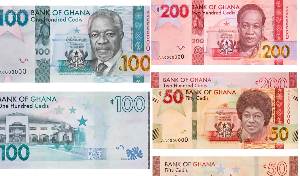
The Bank of Ghana (BoG) is drafting a new Currency Act with tougher penalties for counterfeiters, to replace the 62-year-old law that governs the cedi.
Governor Dr Johnson Pandit Asiama announced the plan at the launch of the Ghana Cedi Heritage Series banknotes at Bank Square in Accra on Thursday, November 12, 2026. The new law would replace the Currency Act, 1964 (Act 242), which he described as outdated.
"Counterfeiting will soon become a very, very, very painful experience," Dr Asiama warned. He said the legislation would set clear procedures for detecting, surrendering, authenticating and destroying counterfeit notes, and give firmer legal backing to the fight against mutilation and abuse of the currency. He said penalties would be proportionate to the seriousness of the offence.
"In this way, the security built into the Heritage Series will be matched by laws that protect the currency and those who use it," he said.
New notes, new safeguards
The proposed law is meant to back up the redesigned notes. The Heritage Series enters circulation on December 1, 2026. The Governor said existing notes remain legal tender and will circulate alongside the new ones for a while, so that the public and businesses can adjust without disruption. The new notes are made from reinforced cotton paper, designed to last longer than the existing ones, and are smaller and more portable. The Governor said they carry enhanced security features to make them harder to counterfeit and easier for the public to recognise as genuine.
The Bank also plans a nationwide education drive, in every region and in the major local languages, to teach Ghanaians the security features of the new notes. It has developed Enterprise Currency Operations Management Software (ECOMS) to improve coordination with commercial banks in managing currency operations, and it will continue to modernise payment systems while keeping cash accessible and dependable.
Warnings against abuse of the cedi
The existing law already underpins the Bank's stance on the misuse of the currency. A notice issued on July 14 names spraying money at events, making money bouquets and writing on notes among offences under Act 242. It warns that offenders risk arrest, prosecution, fines or imprisonment under the Currency Act and the Bank of Ghana Act, 2002 (Act 612), as amended.
Dr Asiama said the integrity of the cedi depends not only on the security built into the notes but also on how responsibly the public handles and uses them. President John Mahama, who launched the series, said, "Let us carry the cedi with pride and uphold the confidence on which it rests, so that it continues to serve Ghana securely and well for generations to come."
Background
The current Currency Act predates the cedi itself. Ghana's first president, Kwame Nkrumah, introduced cedi notes and pesewa coins in July 1965 to replace the Ghanaian pound, shillings and pence. The current Ghana cedi replaced the older version in July 2007, at a rate of 10,000 to one.
The launch of the Heritage Series comes ahead of the Bank of Ghana's 70th anniversary on March 4, 2027. Dr Asiama recalled that the name "cedi" comes from the Akan word for the cowrie shell, which Ghana's forebears used to trade salt, cloth and kola from the markets of Salaga to the coast.
Get the AfroAsia Media newsletter
The day's top stories from Africa and Asia, straight to your inbox.
Comments
0 comments
Loading…