
Ancelotti’s masterstroke silences critics as Brazil grind out gritty victory in Houston
The sight of Brazil laboring through a first half is enough to send shivers down the spine of any Seleção supporter. The weight of five world titles, the ghost of 2014, and a nation’s relentless demand for jogo bonito create a pressure cooker that has broken far greater men than most. Yet, in the searing…
Published 4 min read
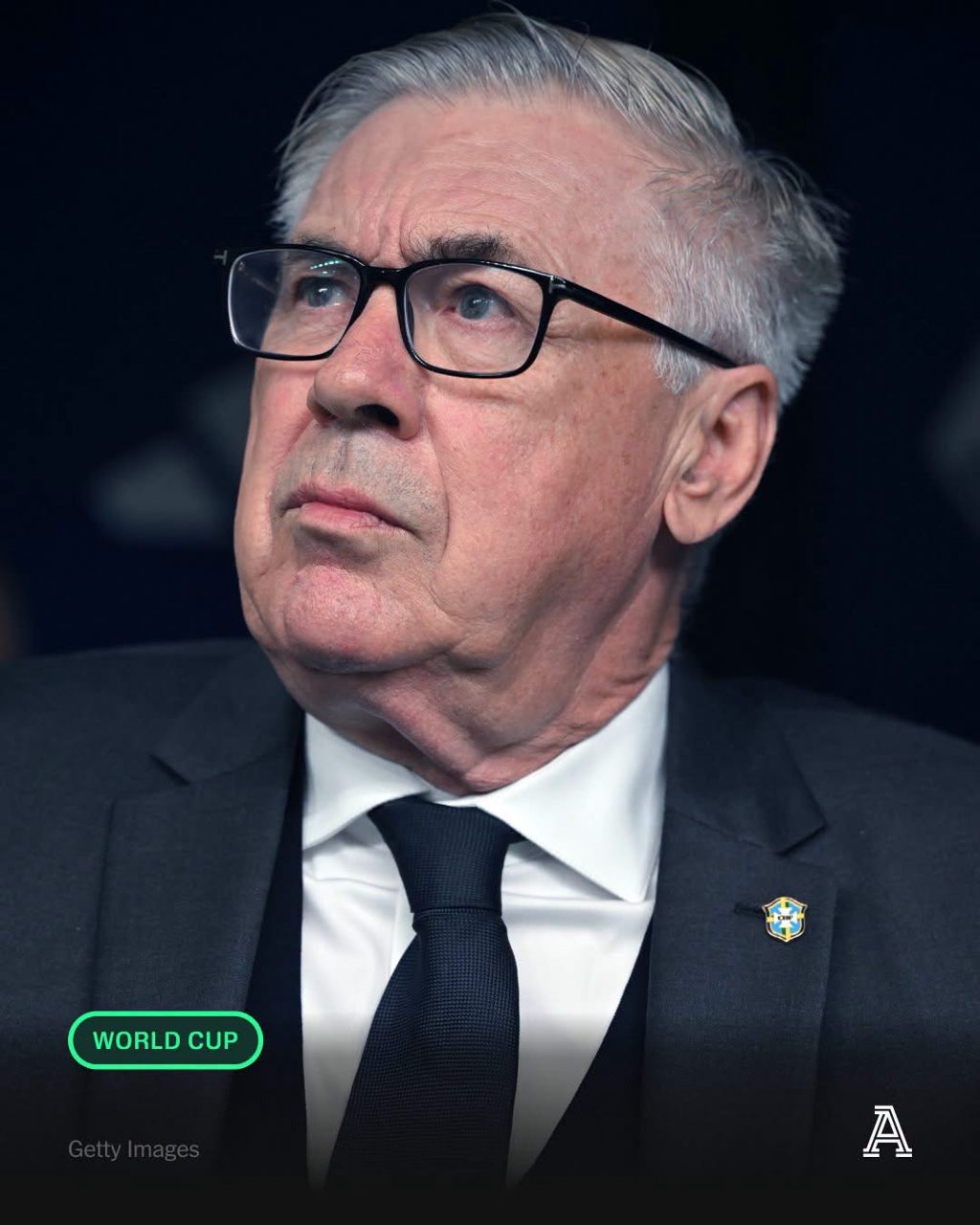
The sight of Brazil laboring through a first half is enough to send shivers down the spine of any Seleção supporter. The weight of five world titles, the ghost of 2014, and a nation’s relentless demand for jogo bonito create a pressure cooker that has broken far greater men than most. Yet, in the searing heat of Houston’s NRG Stadium on Monday night, one man remained utterly unruffled: Carlo Ancelotti.
This match—a tense Round of 16 World Cup clash against a dogged European opponent—offered the clearest evidence yet of why Brazil’s football federation moved heaven and earth to bring the Italian tactician to South America’s most storied dugout. For 45 minutes, the Seleção were second-best. Overrun in midfield, disjointed in attack, and vulnerable to the counter, they looked every bit a team still searching for an identity under a foreign coach. The crowd grew restless. The familiar anxiety began to creep in.
But Ancelotti, perched on the bench with his characteristic impassive expression, saw what others did not.
The Gamble That Defied Logic
At the interval, with the score still goalless but the momentum firmly against his side, the 66-year-old made a decision that raised eyebrows across the tactical world. He withdrew midfield anchor Lucas Paquetá—a player tasked with shielding the back four and linking play—and introduced 18-year-old sensation Endrick. The formation shifted from a pragmatic 4-3-3 to an audacious 4-2-4, leaving Brazil with just two central midfielders against an opponent packing three.
On paper, it was suicide. In practice, it was genius.
By flooding the final third with four forwards—Endrick joining Vinícius Júnior, Rodrygo, and Raphinha—Ancelotti stretched the opposition’s backline to breaking point. The extra attacker pinned the full-backs deep, while Endrick’s relentless movement between the lines created pockets of space that had been non-existent in the first half. Within twelve minutes of the restart, Brazil had scored twice—the first a crisp finish from Vinícius after a clever cutback, the second a towering header from Marquinhos off a corner.
A Signature Ancelotti Performance
What followed was vintage Ancelotti. Brazil did not dominate possession or carve out chance after chance. Instead, they absorbed pressure, defended resolutely, and relied on individual brilliance to see the game out. The final whistle blew on a 2-0 victory that felt far less comfortable than the scoreline suggested.
It was, in every sense, a performance lifted straight from the script of his most successful Real Madrid sides. Those teams—the ones that won back-to-back Champions Leagues in 2024 and 2025—rarely played flawless football for 90 minutes. They stumbled, they struggled, they often looked vulnerable. But they always found a way. And they always found big players stepping up at the exact moment the team needed them most.
That same alchemy was on display in Houston. Casemiro, thrust into a two-man midfield pivot alongside Bruno Guimarães, delivered a monstrous second-half display, covering every blade of grass. Vinícius, quiet in the opening period, produced a moment of magic to break the deadlock. And Endrick, the teenage prodigy, brought a chaos and unpredictability that the opposition simply could not handle.
The Coolest Head in the Stadium
Throughout the maelstrom, Ancelotti remained a study in serenity. No frantic gesticulations, no furious note-taking—just the occasional sip of water and a quiet word to his assistant. After the match, he offered a characteristically understated assessment.
“Sometimes you have to read the game not as it is, but as it will become,” he told reporters. “We were losing the battles in midfield, so we had to change the battlefield. More forwards meant less space for them to press us, and more space for our quality to decide it. It was a risk, yes. But risk is part of football.”
His players, however, were far more effusive. “The boss saw everything before we did,” said Vinícius Júnior, who was named man of the match. “He told us at half-time: ‘They are tired, they don’t know how to handle four attackers. Trust the plan.’ And we did. That’s why he’s the best.”
For Brazil, the victory books a place in the quarter-finals and extends their unbeaten run under Ancelotti to 14 matches. But more importantly, it offers a glimpse of the identity he is forging—one that prioritises adaptability and resilience over rigid philosophy. The pressure will only intensify as the tournament deepens, but if Houston proved anything, it’s that Brazil now have a coach who can not only bear that weight but turn it into fuel.
And that, perhaps, is the ultimate reason the federation went all in on Ancelotti. Not for tactical dogma, not for a shiny name, but for the rare ability to find calm in chaos—and win ugly when beauty fails to arrive.
Get the AfroAsia Media newsletter
The day's top stories from Africa and Asia, straight to your inbox.




Comments
0 comments
Loading…